Nairobi Renters Pay More Than Mombasa, Kisumu, Nakuru Combined
A fresh analysis of Kenya's property market shows the rent-versus-buy calculation looks radically different depending on which city you call home.
A fresh analysis of Kenya's property market shows the rent-versus-buy calculation looks radically different depending on which city you call home.
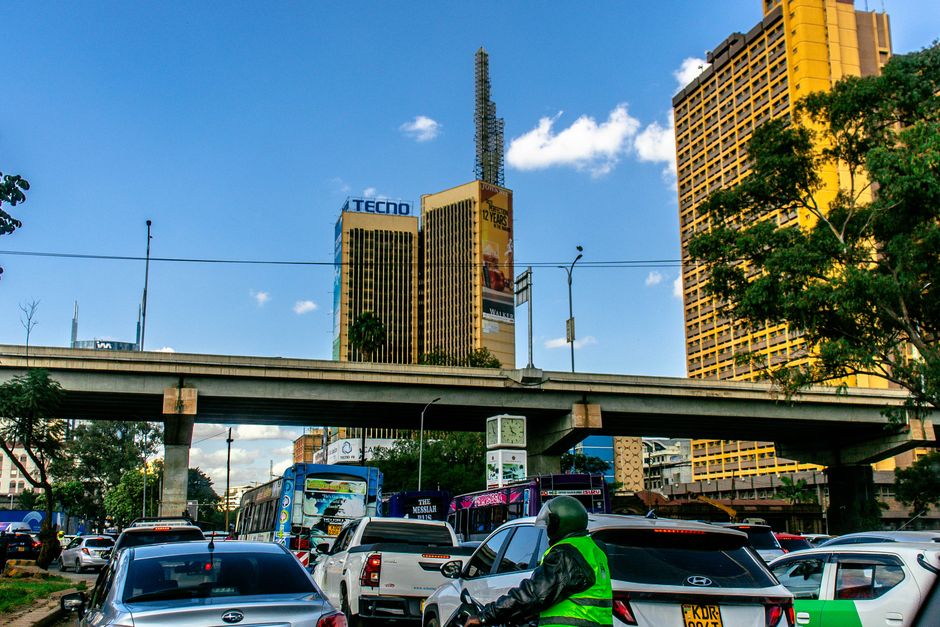
Renting a two-bedroom apartment in Kilimani will cost you roughly KES 65,000 a month in mid-2026. The same money buys you a three-bedroom house outright on a 12-month lease in Kisumu's Milimani estate. That gap is widening, and it is forcing thousands of working Kenyans to ask a question they have long deferred: does it still make sense to anchor yourself to Nairobi?
The comparison matters now because mortgage rates at Kenya's commercial banks remain stubbornly high — hovering between 16 and 18 percent per annum as of the Central Bank of Kenya's June 2026 monetary policy committee report — while average asking prices for residential units in Nairobi have nudged past KES 15 million for a standard mid-market apartment. At that price and rate, a buyer putting down a 20 percent deposit faces monthly repayments north of KES 180,000 over a 20-year term. Against a Kilimani rental of KES 65,000, the arithmetic does not flatter ownership.
Outside the capital, the numbers shift fast. In Nakuru, where the county government has been pushing an affordable housing programme under the national government's Affordable Housing Act of 2024, a modest three-bedroom unit along the Lanet Road corridor is changing hands for between KES 4.5 million and KES 6 million. Monthly mortgage repayments on a KES 5 million home, with a 20 percent deposit, come in around KES 55,000 — comparable to or below the rental cost of a decent one-bedroom flat in Nairobi's Westlands. Mombasa's Nyali and Bamburi neighbourhoods tell a similar story: purchase prices in the KES 6–9 million range for two-bedroom units, with rental yields for landlords often running above 7 percent annually, which is above Nairobi's typical 5–6 percent yield in established suburbs like Lavington.
Kisumu is the most striking case. The Lake Victoria city has seen sustained infrastructure investment — the Kisumu City Integrated Development Plan targets 2030 — and residential land along Mamboleo Road and around the Mega City shopping precinct has appreciated sharply since 2022. Yet absolute prices remain low enough that a first-time buyer earning KES 120,000 a month, a salary that in Nairobi guarantees only a rental existence in Ruaka or Syokimau, can realistically service a mortgage and own a home. Kenya Mortgage Refinance Company has been specifically marketing its subsidised refinancing products to lenders in second-tier towns since early 2025, extending 25-year fixed-rate facilities designed to bring monthly payments below one-third of household income.
The irony for Nairobi renters is that the city's growth corridors — Ruaka to the northwest and Syokimau to the southeast — were supposed to solve this problem. They haven't, entirely. Ruaka one-bedrooms now list at KES 30,000–40,000 per month, and Syokimau two-bedrooms rarely go below KES 35,000. Both areas have seen land prices triple since 2018. The commuter savings that justified those locations in the first place are being eroded by the same capital appreciation that made them attractive to developers.
For renters stuck in Nairobi, housing analysts at the Kenya Bankers Association suggest that the break-even point — the moment when buying becomes cheaper than renting on a monthly cash-flow basis, ignoring capital gains — is somewhere between 22 and 28 years in Kilimani or Lavington at current rates. In Nakuru or Kisumu, that break-even comes inside a decade.
The practical advice emerging from property firms along Westlands' Waiyaki Way is blunt: if your employer allows hybrid or remote work, the regional option deserves a serious financial model, not just a lifestyle conversation. For those who must stay in Nairobi, the Affordable Housing Levy — deducted at 1.5 percent of gross salary since 2023 — entitles contributors to apply for units through the State Department of Housing's portal, with ballot allocations in estates like Park Road Phase II still open. That is not glamorous homeownership. But at KES 3.6 million a unit with a government-backed mortgage, it beats another decade of Kilimani rent receipts.
How does this story make you feel?
Spread the word
About this article
Published by The Daily Nairobi
Daily brief
Free, in your inbox before 7am. Weekdays.
More in Property