Nairobi House Prices Keep Climbing: What Is Driving Costs and What Buyers Need to Know Now
From Ruaka to Lavington, property values are up sharply in 2026 — and the forces pushing them higher show little sign of reversing.
From Ruaka to Lavington, property values are up sharply in 2026 — and the forces pushing them higher show little sign of reversing.
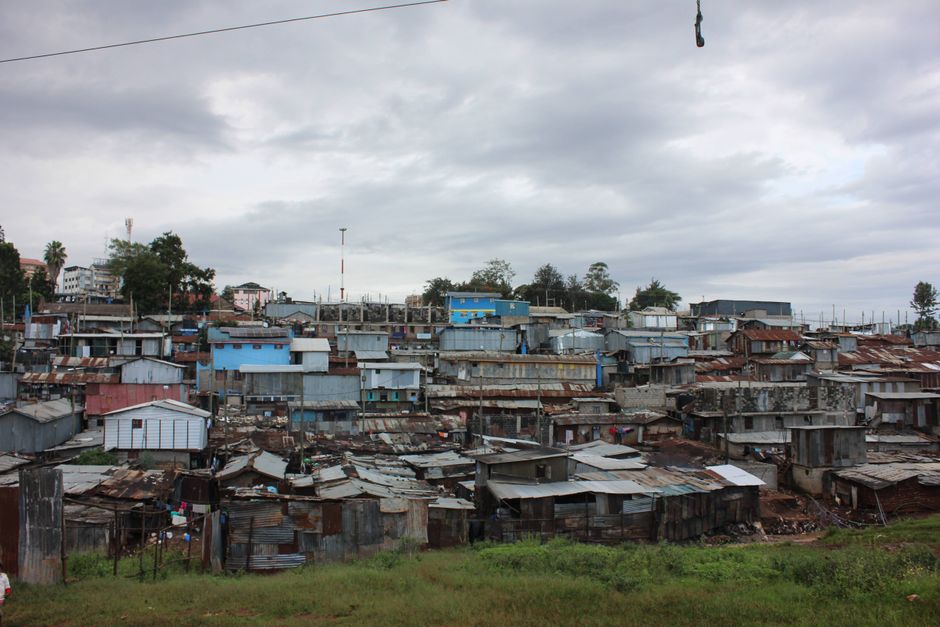
The average asking price for a residential property in Nairobi crossed KES 15 million this year, and agents across the city say serious buyers are being outpaced by a market that is moving faster than household incomes. That gap — between what Nairobians earn and what they must spend to own a home — is now the defining anxiety of the city's property sector.
The timing matters. Kenya's Central Bank held its benchmark lending rate at 12.5 percent through the first half of 2026, keeping mortgage costs stubbornly high even as the Kenya Mortgage Refinance Company pushed commercial banks to extend longer-tenor loans. For a buyer financing KES 10 million over 20 years, monthly repayments sit above KES 120,000 — a figure that eliminates most middle-income households from the formal mortgage market entirely. With the World Cup-linked tourism boom pulling investor attention toward short-let properties in Westlands and Kilimani, long-term rental supply has tightened, which in turn makes ownership feel more urgent and less attainable at the same time.
Two corridors dominate the conversation right now. In the west, Ruaka — straddling Kiambu Road just beyond the Northern Bypass — has seen asking prices for two-bedroom apartments rise to between KES 7.5 million and KES 9.5 million, up roughly 18 percent from early 2024. Developers including Cytonn Real Estate and several mid-tier Kenyan contractors have completed clusters of gated apartments along Limuru Road feeders, betting on the area's appeal to young professionals priced out of Westlands and Lavington. Infrastructure has followed: the Northern Bypass expansion that opened in phases through 2024 and 2025 cut commute times to Westlands to under 25 minutes on a clear morning, which is rare but possible.
In the south-east, Syokimau continues to absorb demand from buyers who work near JKIA or commute along the Standard Gauge Railway. Three-bedroom maisonettes that were listed at KES 8 million in 2022 are now routinely advertised above KES 11 million. The completion of new commercial nodes along Mombasa Road, including the expanded Garden City precinct and several logistics parks near the airport, has made the area's growth self-reinforcing. More jobs nearby means more demand for housing nearby.
Kileleshwa and Kilimani remain the inflection point for buyers with mid-to-upper budgets. One-bedroom apartments in Kilimani now average KES 6.5 million to KES 8.5 million. Larger three-bedroom units in Kileleshwa — particularly along Elgeyo Marakwet Road — are frequently listed above KES 18 million. The Lavington and Lower Kabete pockets push beyond KES 25 million for a standalone house.
Three forces are doing the heavy lifting. First, the cost of construction materials has not meaningfully fallen. Cement prices in Nairobi averaged KES 750 to KES 800 per 50-kilogram bag through the second quarter of 2026, still elevated compared to the KES 550 range that prevailed before 2022. Developers pass those costs straight through to buyers.
Second, land scarcity within the city boundary is real. The Nairobi City County government's 2024 Spatial Plan restricted high-density development in several older residential zones, which concentrated new supply into specific corridors and pushed values up in the areas that did receive approvals. Developers who secured construction permits in Parklands and along Ngong Road during the 2023-2024 window are now selling finished units at a premium that reflects both the land cost and the regulatory scarcity.
Third, diaspora remittances are funding more purchases outright. Kenya received USD 4.2 billion in remittances in 2025, according to Central Bank data, and property agents in Westlands report that a growing share of cash transactions — no mortgage, no waiting — are linked to buyers in the UK, the United States and Gulf states. Those buyers can move at a speed and price that local salaried workers simply cannot match.
For buyers still in the market, agents recommend looking at Affordable Housing Programme-linked units under the government's Boma Yangu portal, which lists completed units in Shauri Moyo and Park Road at prices starting below KES 3 million with government-backed financing. Off-plan purchases in Ruaka and Athi River carry more risk but still offer entry points below the city average. The practical advice is blunt: pre-qualify for financing before viewing anything, fix your ceiling at what the bank will lend plus savings on hand, and stop comparing today's prices to 2022. That market is gone.
How does this story make you feel?
Spread the word
About this article
Published by The Daily Nairobi
Daily brief
Free, in your inbox before 7am. Weekdays.
More in Property


