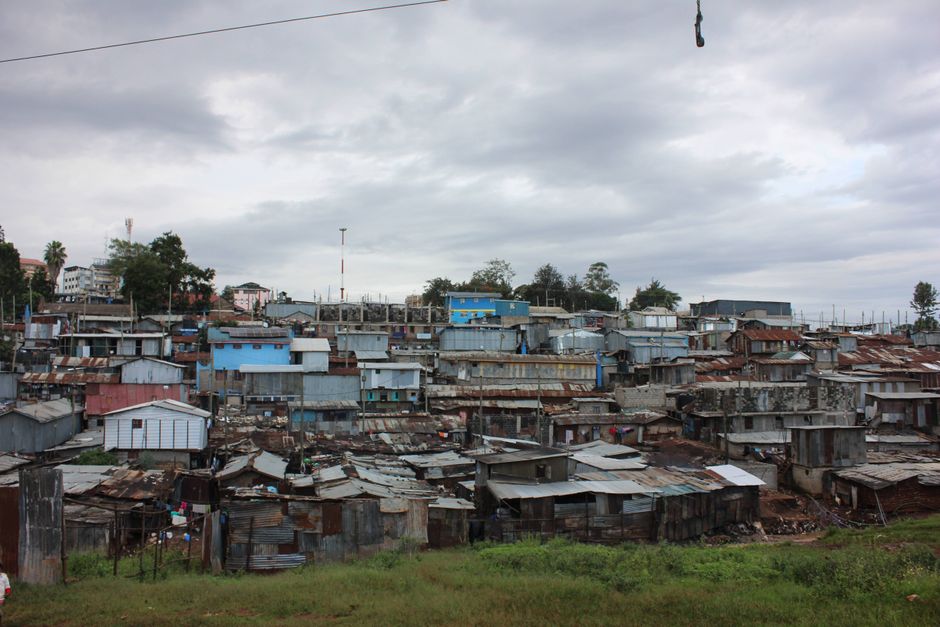
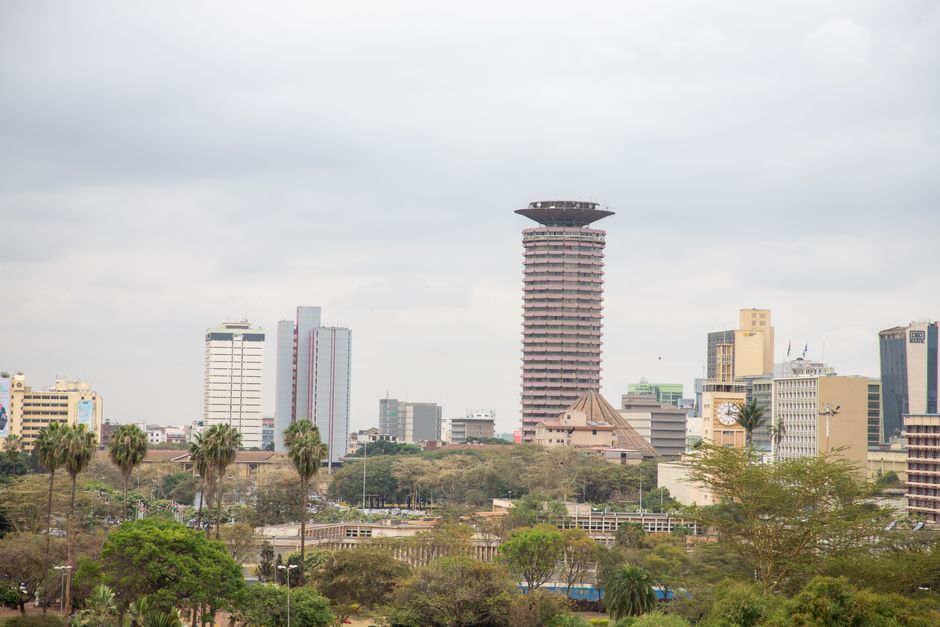
Renting a two-bedroom apartment in Kisumu's Milimani estate costs roughly KES 25,000 a month. The same unit in Nairobi's Kileleshwa will set you back KES 65,000. That gap — 160 percent — sits at the centre of a growing debate among Kenyan property economists about whether the country's housing affordability crisis is really a Nairobi problem wearing a national mask.
The question matters now because mortgage uptake across Kenya has barely moved. The Kenya Mortgage Refinance Company reported in its 2025 annual review that fewer than 30,000 active mortgages exist in the entire country — a nation of 57 million people. With the Central Bank of Kenya base rate still hovering above 12 percent as of mid-2026, monthly repayments on a KES 10 million home loan exceed KES 110,000, making ownership a mathematical impossibility for the majority of working households outside the top income quartile.
Nairobi's Premium Enclaves Widen the Gap
Within Nairobi itself, the divergence is stark. Westlands and Lavington command asking prices between KES 18 million and KES 35 million for a standard three-bedroom unit. Kilimani, which has absorbed a decade of apartment supply, has softened slightly — developers along Argwings Kodhek Road are advertising two-bedrooms from KES 12.5 million — but monthly rents in the same buildings rarely dip below KES 70,000. Run the numbers and a buyer in Kilimani needs more than 14 years of rent savings just to cover the deposit, assuming a 20 percent down payment and zero rent escalation. Neither assumption holds.
The growth corridors tell a different story. Ruaka, off Limuru Road, and Syokimau, near the Standard Gauge Railway terminus, have attracted mid-market developers offering units from KES 6.5 million to KES 8.5 million. Rents in both nodes run between KES 28,000 and KES 40,000 for a two-bedroom. The price-to-rent ratio in Ruaka sits around 18 — closer to the threshold at which buying theoretically becomes competitive with renting over a ten-year horizon. That threshold, widely used by analysts at Hass Consult and Cytonn Investments, is typically set at 20 or below.
Regional Cities Offer Cheaper Rent, Not Necessarily Better Value
Mombasa's Nyali and Bamburi neighbourhoods offer rentals at KES 30,000 to KES 45,000 for comparable space. Purchase prices, though, have not fallen proportionally. Beachfront-adjacent units in Nyali Beach Road area still list above KES 14 million, propped up by diaspora demand and short-term Airbnb returns that distort the owner-occupier calculation. In Nakuru, Kenya's fourth-largest city, a two-bedroom in Milimani or Section 58 costs KES 18,000 to KES 22,000 monthly, with purchase prices for comparable units at KES 4.5 million to KES 6 million — a price-to-rent ratio of under 22, making it the most buyer-friendly major market in the country by that measure.
Kisumu's affordability looks attractive on the rental side, but limited mortgage products from local Sacco branches and the absence of major institutional lenders operating actively in the city constrain would-be buyers. The Kenya National Bureau of Statistics flagged in its 2024 economic survey that Nairobi accounts for over 72 percent of all formal mortgage lending nationally. That concentration means regional buyers face worse terms, thinner valuations, and longer approval timelines regardless of how cheap the entry price appears.
For households trying to make a decision in mid-2026, the calculus depends almost entirely on location and employment anchor. Workers tied to Nairobi's central business district or the Upperhill commercial corridor are still better served renting in Kilimani or exploring Syokimau's SGR commute option than stretching for a mortgage at current rates. Those based in Nakuru or considering a relocation should run the numbers more seriously — the gap between renting and owning there has narrowed enough that a ten-year fixed commitment starts to look rational. Affordable housing units under the government's Boma Yangu programme, which listed 1,080 units in Nairobi's Park Road project at prices starting from KES 2.8 million in 2024, remain the most direct route to ownership for median-income earners — provided the completion timelines, which have slipped before, actually hold.