lifestyle
Sheldrick Wildlife Trust in Nairobi: How to Plan a Visit
The Sheldrick Wildlife Trust website explains its Orphans’ Project, conservation work and visitor information. Use the organisation’s own visiting page when planning.
Listen in English · 3 min
How we reported this
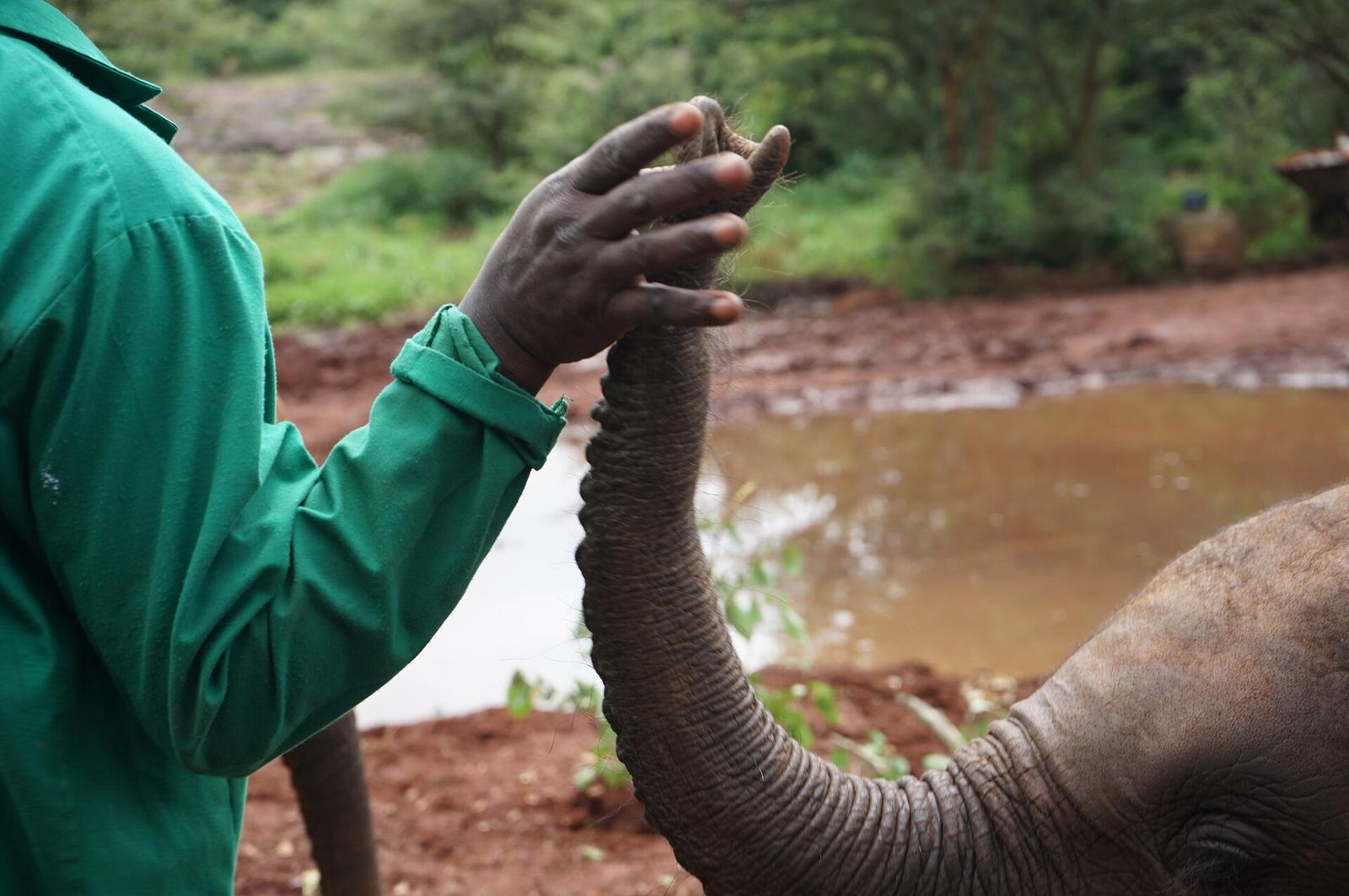
The Sheldrick Wildlife Trust’s Nairobi visitor information is best understood as an introduction to a wider conservation organisation. Its public pages describe work that includes wildlife rescue, rehabilitation, veterinary care, habitat protection and community-facing conservation. A visit is therefore more than an animal encounter: it is a way to learn how a conservation programme connects daily care with longer-term protection of wildlife.
Start with the official visiting page
The Trust’s own nursery-visit and visiting pages should be the first stop when planning. They carry the organisation’s current instructions and make clear that arrangements, availability and visitor requirements belong to the Trust rather than to copied third-party listings. Read the latest guidance before travelling and follow the directions given for the session you have chosen.
The Orphans’ Project
The Trust describes its Orphans’ Project as rescue and rehabilitation work. Its public material also includes updates, keepers’ diaries and field reports that help explain the process behind the visit. Rehabilitation is ongoing care: it involves attention, monitoring and decisions made in the interests of the animals rather than a single display for visitors.
Respect the conservation setting
Visitors should let the organisation’s rules shape the experience. Follow staff instructions about where to stand, photography and movement, and avoid treating the animals as props. The wider project list matters because it shows that the nursery is connected to veterinary and habitat work beyond the visitor area.
Plan without overloading the day
Confirm the current arrival information directly with the Trust and leave enough time to reach the site without rushing. If you want to support the work, use the organisation’s own routes for adoption, donations, partnerships or other contributions. That keeps practical planning and conservation support connected to the source organisation.
- Use the official nursery-visit page first.
- Check current requirements before travelling.
- Follow staff guidance around the animals.
- Keep the focus on rescue, rehabilitation and conservation.
A grounded Sheldrick Wildlife Trust visit begins with the organisation’s current pages, treats the nursery as part of a larger conservation system and makes respectful behaviour part of the itinerary.