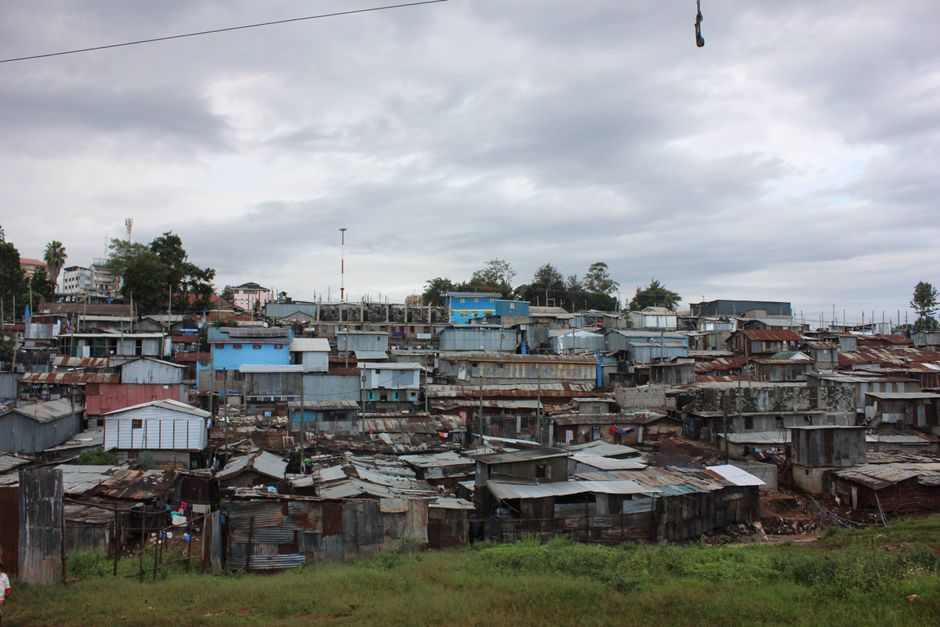
Nairobi has long been synonymous with distance running excellence. Yet a closer look at the infrastructure supporting the city's thriving endurance sports community reveals a troubling gap between our international prestige and domestic reality.
The Nairobi Sports House in Kasarani remains the flagship venue for major athletics events, hosting everything from national championships to international track meets. However, maintenance issues and aging facilities have become increasingly apparent. The 60,000-capacity Nyayo Stadium, once a crown jewel on Ardoi Street, struggles with deteriorating tracks and inadequate drainage systems that make year-round training problematic during heavy rains.
For cyclists, conditions are similarly challenging. While the Karen and Nairobi River Road routes remain popular among enthusiasts, dedicated cycling infrastructure remains sparse across the city. The absence of protected bike lanes on major corridors like Ngong Road and the Mombasa Road means riders navigate heavy traffic alongside matatus and commercial vehicles. A 2024 survey by the Kenya Cycling Federation found that 73% of serious cyclists train outside the city limits, primarily in the Kikuyu and Limuru areas, where quieter roads and elevation changes better suit their needs.
Triathlon facilities paint an even starker picture. While the Nairobi Swimming Pool Association operates venues in Westlands and South C, most offer only basic lap facilities. Open-water training for the swim leg of triathlons typically requires athletes to travel 40 kilometers to Lake Naivasha, adding substantial cost and time to training regimens. The lack of Olympic-standard pools in central Nairobi forces serious competitors toward expensive private clubs or extended commutes.
Yet grassroots enthusiasm remains undimmed. Local running clubs like the Hash House Harriers and Nairobi Hash continue to draw hundreds weekly on Tuesday and Saturday runs through Nairobi's neighborhoods, using public routes and informal gathering points. Budget-conscious triathletes improvise, combining sessions at various public facilities scattered across Kilimani, Hurlingham, and Parklands.
County and national authorities have announced plans for upgraded sports infrastructure through 2028, including proposed improvements to Nyayo Stadium. However, implementation delays and funding constraints have repeatedly pushed timelines backward. Meanwhile, athletes continue to train on cracked tracks and navigate traffic-choked roads—a far cry from the professional-grade facilities available in comparable East African cities.
The irony is sharp: Nairobi produces world-beating runners, yet lacks the domestic venues and cycling infrastructure that might nurture the next generation of endurance champions.
This article was compiled by AI from the sources linked above and screened before publishing. See our editorial standards.