The energy is palpable in Nairobi's recreational football circles as July approaches, marking the beginning of the final stretch for the city's amateur league competitions. With multiple divisions contested across venues from Kasarani to Kariobangi, this season has already delivered surprises that have fundamentally altered the competitive landscape.
The Nairobi Amateur Football League, which runs under the auspices of the County Football Association, features over 200 registered clubs competing across five divisions. The top tier alone boasts 32 teams battling for promotion and glory, with fixtures scheduled at established grounds including the City Stadium pitch on Ngong Road, the Nairobi School grounds in Lavington, and the sprawling Moi International Sports Centre complex in Kasarani.
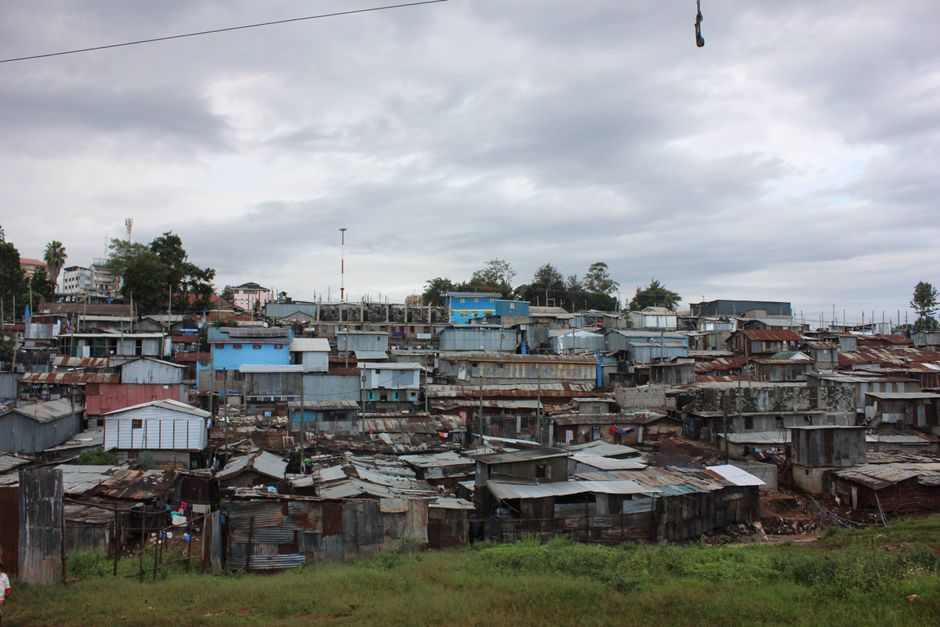
What sets this season apart is the emergence of clubs from traditionally underrepresented neighbourhoods. Teams from Korogocho, Kayole, and Mathare have injected new life into divisions previously dominated by well-resourced outfits from Westlands and Upper Hill. Entry fees of approximately 15,000 Kenyan shillings per club, combined with volunteer-led administration, have lowered barriers to participation and sparked unprecedented grassroots engagement.
"We're seeing clubs invest in proper training facilities and coaching staff in ways we haven't witnessed before," noted an administrator at the County Football Association, speaking on condition of anonymity. The professionalization of amateur football extends beyond the pitch—several clubs now operate small hospitality setups at match venues, generating revenue that funds player allowances and kit purchases.
The finals structure, running through August, will determine promotion to the national tier, a milestone that carries significant prestige and modest financial incentives. Winners of the top division secure approximately 500,000 shillings in prize money, while runners-up receive 300,000. These sums, modest by professional standards, represent meaningful resources for clubs operating on tight budgets.
Attendance figures have also surged, with weekend fixtures at accessible venues like thegrounds near Nyayo Stadium now drawing crowds of 1,500 to 3,000 spectators. The relatively low admission charges—typically 200 to 500 shillings—have made recreational football genuinely accessible entertainment for city residents seeking affordable weekend activities.
As the competition enters its crucial phase, the narrative has shifted from predictable outcomes to genuine unpredictability. The democratization of Nairobi's amateur football landscape suggests that the finals will belong not to established hierarchies, but to whichever clubs demonstrate superior organization, tactical discipline, and community commitment.
This article was compiled by AI from the sources linked above and screened before publishing. See our editorial standards.