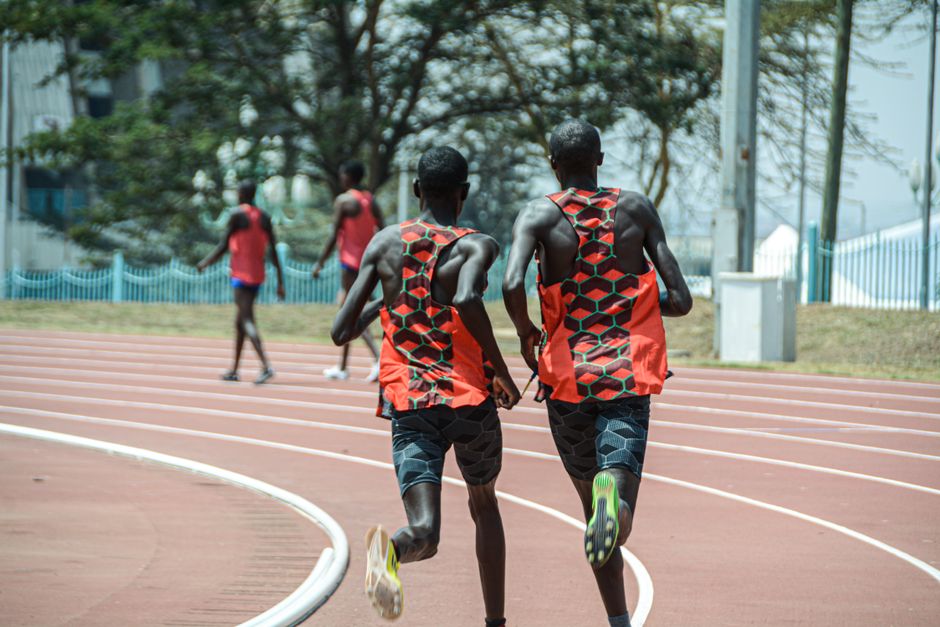
On any Saturday morning along Ngong Road, the sight of dozens of runners stretching outside Java House has become as familiar as the Nairobi sunrise. But what began as informal meetups has evolved into a sophisticated ecosystem of clubs reshaping how the city approaches fitness and community building.
The running club boom reflects broader trends across Nairobi's endurance sports landscape. Organizations like the Nairobi Running Collective, now boasting over 800 active members, have transformed casual jogging into structured training programmes that cater to everyone from office workers tackling their first 5km to seasoned ultramarathoners preparing for international competitions. Monthly membership fees typically range from 500 to 1,500 shillings, making serious training accessible to Nairobi's growing middle class.
"What's changed dramatically is the infrastructure," explains one long-time participant in the Westlands triathlon community. Clubs now organize weekly tempo runs through Karen and Langata, coordinate group cycles from the University of Nairobi's main campus toward the Limuru forests, and host monthly swimming sessions at Nairobi Sports House in Kasarani. The diversity of training options has expanded dramatically over the past three years.
Cycling clubs have particularly flourished, with groups like the Nairobi Cyclists Association reporting membership increases of nearly 40 per cent since 2024. Weekly rides departing from Tatu City on the Nairobi-Thika superhighway now regularly attract 150-plus participants, creating an unlikely community hub for professionals, students, and retirees united by pedal power.
The triathlon segment, though smaller, demonstrates remarkable growth. The Nairobi Triathlon Club has hosted three major events this year at Nairobi Dam in Thika, each drawing competitors from across East Africa. Entry fees of 3,000 to 5,000 shillings have proven sustainable, suggesting both serious commitment and growing economic capacity within the sport.
Beyond fitness metrics, these clubs have become unexpected social anchors. Members organize recovery meals at restaurants along Westlands Boulevard, coordinate charity runs benefiting local schools, and create mentorship networks where experienced athletes support newcomers. The psychological and social benefits appear to outweigh the purely physical gains.
As Nairobi continues rapid urbanization, these endurance sport communities offer something increasingly rare: spaces where strangers become teammates, where individual ambition aligns with collective purpose, and where a simple Saturday morning run becomes the foundation for lasting friendships and genuine community resilience.
This article was compiled by AI from the sources linked above and screened before publishing. See our editorial standards.