Nairobi's Football Grounds at Crossroads: Can Aging Venues Keep Pace With the Beautiful Game's Growth?
As local clubs compete for continental glory, crumbling pitches and outdated stadiums threaten to undermine Kenya's football ambitions.
As local clubs compete for continental glory, crumbling pitches and outdated stadiums threaten to undermine Kenya's football ambitions.
Walk past Nairobi City Stadium on Maktaba Street and you'll see the paradox that defines Kenyan football infrastructure: a historic venue bursting with promise yet struggling under the weight of decades of deferred maintenance. The 60,000-capacity ground, home to Gor Mahia and traditionally the epicentre of East African football, exemplifies a broader crisis affecting the sport's physical foundation across the capital.
The stadium's pitch, scarred by worn turf and drainage issues that worsen during the rainy season, has become a recurring complaint among coaches and players alike. Match delays due to waterlogging are no longer uncommon. Gor Mahia's recent continental campaign highlighted these shortcomings when international broadcasters noted the facility's limitations compared to competitors' grounds across the region.
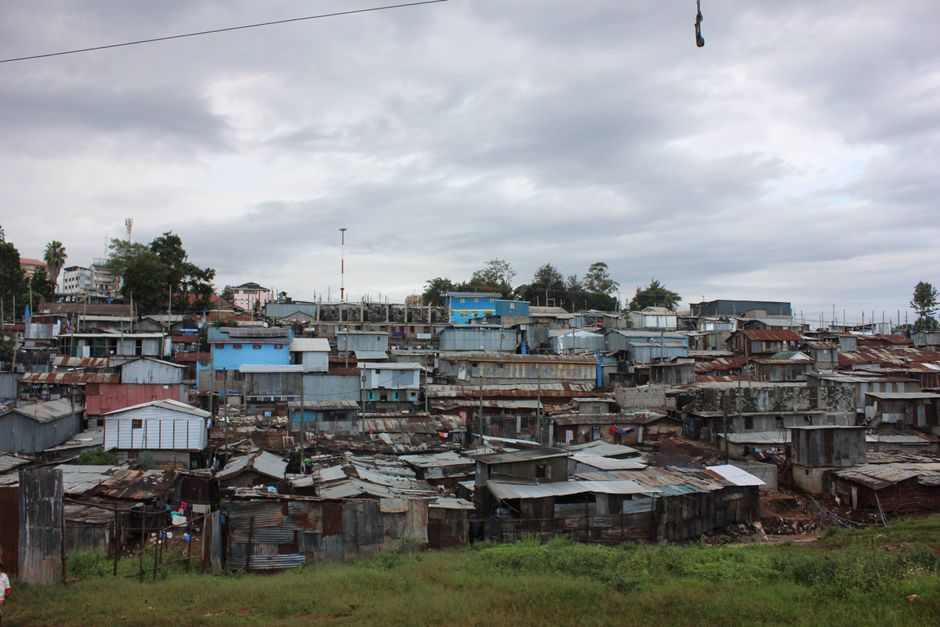
Nor is the problem confined to the city centre. Across Nairobi, from the training grounds in Karen where several Premier League clubs base operations, to the community pitches in Kibera and Dagoretti, football infrastructure tells a story of uneven investment. Some facilities charge prohibitive hourly rates—between 3,000 and 5,000 Kenyan shillings—pricing out grassroots players while corporate-backed academies in affluent suburbs enjoy state-of-the-art amenities.
Yet signs of progress exist. The Kenya Football Federation's partnership initiatives have upgraded several neighbourhood grounds. Nyayo Stadium in Milimani, long neglected, has seen targeted rehabilitation that restored it as a functional venue for lower-league matches. Similarly, private investment in Parklands and Westlands has created modern training facilities that top-tier teams increasingly rely upon.
The real challenge lies in bridging the gap. While Nairobi generates an estimated 40 per cent of Kenya's football revenue, public investment in stadium infrastructure has stagnated. The city's explosive growth—now home to over 5 million people—has outpaced facility development. Youth academies struggle to secure consistent pitch access, and women's football teams have historically faced discrimination in venue allocation.
Industry experts suggest that without coordinated investment in grounds renovation and expansion, Nairobi risks losing competitive edge. Neighbouring East African cities are raising their standards. The question facing football administrators is whether the capital's clubs and Federation will push for the infrastructure transformation the sport demands, or whether deteriorating venues will continue to handicap local talent on the continental stage.
This article was compiled by AI from the sources linked above and screened before publishing. See our editorial standards.
How does this story make you feel?
Spread the word
About this article
Published by The Daily Nairobi
Daily brief
Free, in your inbox before 7am. Weekdays.
More in Sport