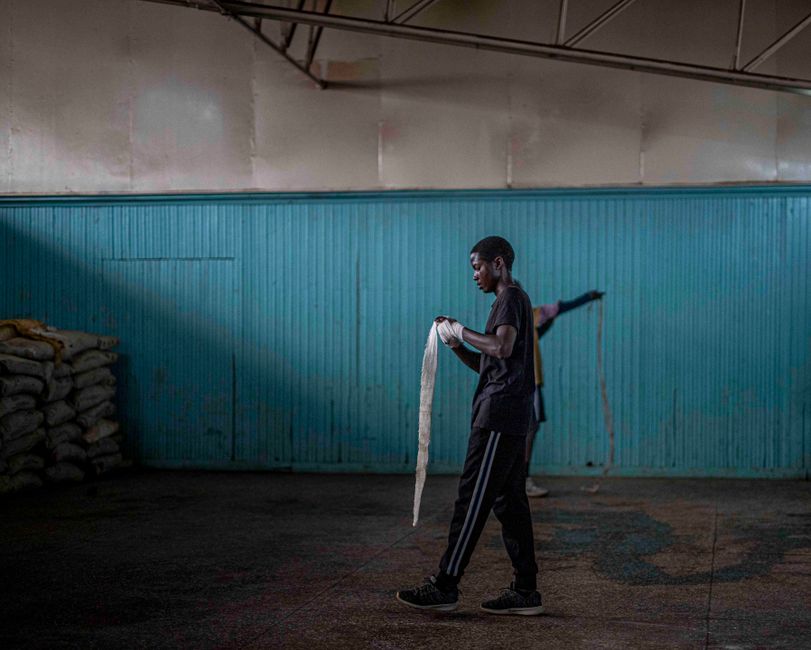
Walk through the corridors of Upper Hill any weekday morning and you'll encounter a transformation that would have seemed improbable a decade ago. Nairobi's fitness infrastructure has undergone a seismic shift, with purpose-built gyms, training academies, and sports complexes now anchoring neighbourhoods from Kilimani to Runda, fundamentally altering how the capital's residents approach fitness and athletic conditioning.
The numbers tell a compelling story. Industry estimates suggest over 200 commercial fitness facilities now operate across Nairobi's key business and residential districts, up from barely 40 in 2015. Monthly memberships range from 3,500 shillings at boutique studios in South C to upwards of 12,000 shillings at premium facilities in Westlands offering Olympic-standard equipment and personalized coaching programmes. This accessibility has democratized high-performance training, traditionally reserved for elite athletes and the exceptionally wealthy.
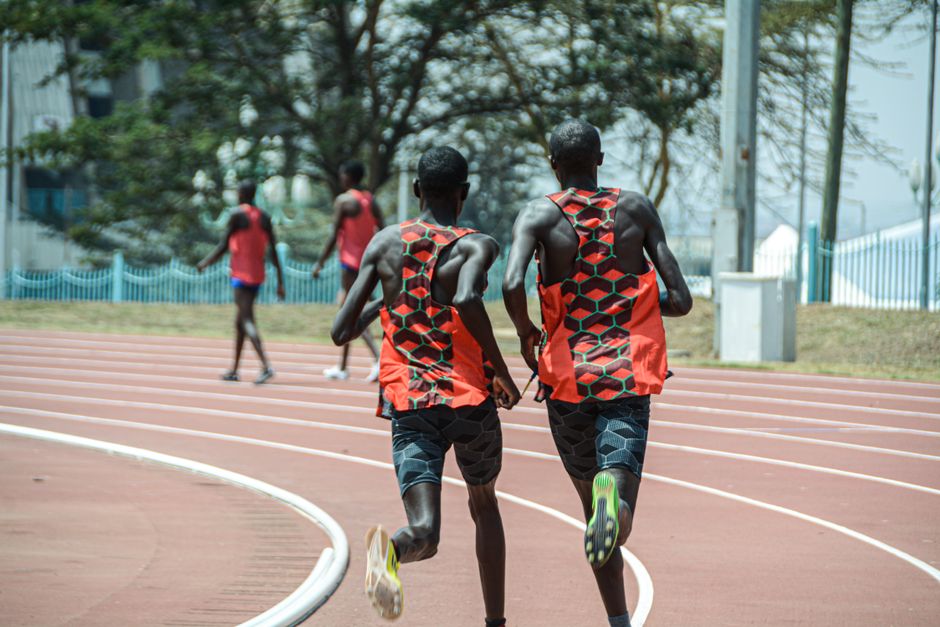
The infrastructure boom reflects something deeper than mere commercial opportunity. Facilities like those clustered along Lenana Road in Kilimani now feature Olympic lifting platforms, functional training zones, and sports science laboratories that would rival facilities in major international cities. Meanwhile, community-based sports complexes in Kasarani and the Nairobi Sports Club grounds continue to serve as incubators for emerging talent, providing affordable access to track facilities, swimming pools, and strength-conditioning spaces essential for aspiring athletes.
This growth has catalysed measurable shifts in training culture. Running clubs anchored by gym-based coaching networks have proliferated across the city, with members leveraging facility infrastructure for cross-training and injury prevention—critical for a nation whose distance-running heritage risks overuse injuries without complementary strength work. Similarly, CrossFit boxes, Olympic weightlifting gyms, and rugby-specific conditioning centres have emerged to serve niche but growing communities in areas like Rosebank and Gigiri.
Yet challenges persist. Quality consistency remains uneven, with regulatory oversight limited and trainer certification standards variable. Maintenance issues plague older facilities, while property costs continue pushing some gyms toward peripheral locations, potentially limiting accessibility for working professionals concentrated in the CBD.
Still, the trajectory is undeniable. As Nairobi positions itself as a continental sporting hub—hosting marathon events, rugby tournaments, and athletic championships—the underlying infrastructure supporting everyday fitness has matured remarkably. These facilities aren't merely commercial spaces; they're public health infrastructure, talent pipelines, and cultural anchors reshaping how millions of Nairobians understand fitness, discipline, and athletic aspiration.
This article was compiled by AI from the sources linked above and screened before publishing. See our editorial standards.