For parents seeking to channel their children's energy into structured sport, or young people eager to develop athletic skills without elite-level pressure, Nairobi's grassroots club scene offers surprising accessibility—though navigating it requires knowing where to look and what to expect financially.
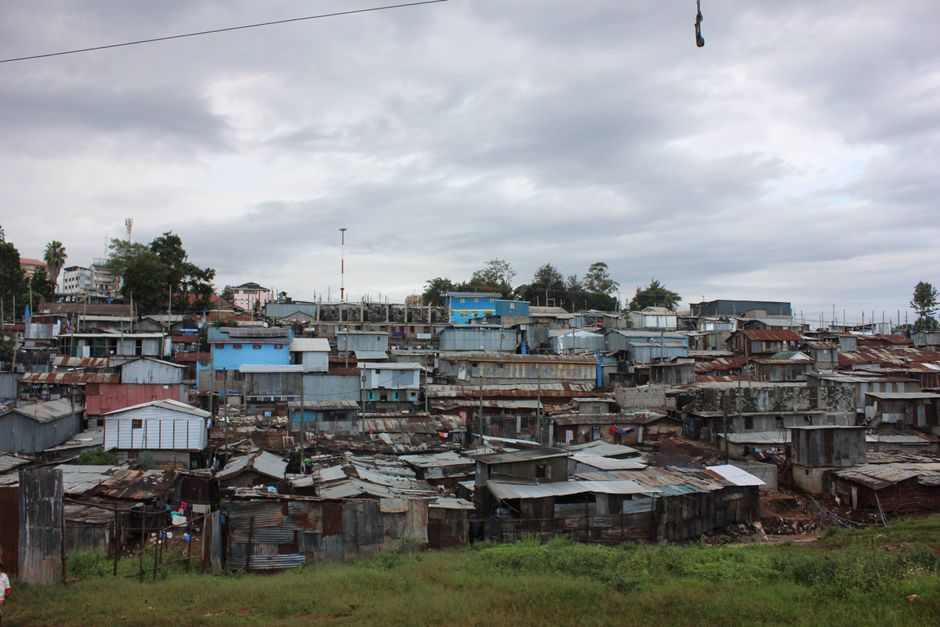
The entry point varies by sport and location. Football remains the most accessible option, with neighbourhood clubs operating across the city at minimal cost. Mathare United, one of Africa's oldest grassroots football initiatives, continues developing young players in the informal settlement that birthed it, with registration typically under Sh2,000 annually. Similarly, clubs in Kibera, Eastleigh, and South B operate semi-formal structures where boys and girls can join training sessions for pocket-change fees. More structured academies along Forest Road and near the Nairobi Golf Club charge between Sh8,000–Sh15,000 monthly for coaching, facilities, and competitive fixtures.
Tennis and swimming demand higher investment. Clubs at Nairobi Club in Westlands and Karen Country Club charge membership fees ranging from Sh50,000 to Sh150,000 annually, plus monthly coaching. However, Nairobi Swimming Association operates public programmes at City Park pool with more modest Sh3,000–Sh5,000 monthly fees for junior swimmers. Athletics clubs affiliated with Kenya's national federation, such as those operating from Karura Forest and Ngong Road, typically charge Sh2,000–Sh4,000 monthly.
Before committing, prospective members should ask clubs directly about: coaching qualifications, player-to-coach ratios, facilities quality, competitive opportunities, and whether they offer age-appropriate groupings. Most established clubs require birth certificates, school reports, and parental consent forms for minors.
Transportation logistics matter in sprawling Nairobi. Clubs in Nairobi West, Kilimani, and Upper Hill tend to serve their immediate zones, while centrally-located facilities near City Stadium or the Nyayo National Stadium attract athletes across neighbourhoods. Budget accordingly for transport, kit, and occasional tournament fees.
The national sports ministry and county government occasionally subsidise grassroots programmes, particularly in underserved areas. Community sports officers based in each subcounty can direct families toward affordable options. Online, the Nairobi Youth Sports Alliance and individual club social media pages increasingly post registration timelines and fee structures.
Quality varies considerably. Visit training sessions before enrolling. Speak with current parents. Verify whether coaches hold relevant certifications through Kenya's sports boards. The best grassroots clubs balance affordability with legitimate development pathways—building confident, healthy young athletes rather than manufacturing champions.
This article was compiled by AI from the sources linked above and screened before publishing. See our editorial standards.