Nairobi's reputation as a breeding ground for world-beating distance runners masks a uncomfortable truth: the infrastructure supporting the city's endurance sports ecosystem is struggling to keep pace with its athletes' ambitions.
On any given morning, thousands of runners pound the Nairobi National Park loop—one of the few dedicated training grounds for serious athletes. Yet the 7.5-kilometre circuit, which has served Kenya's running community for decades, is increasingly congested. Equipment at the nearby National Sports Centre on Waiyaki Way remains basic, with funding constraints limiting upgrades to tracks and training facilities that once attracted international coaches and scouts.
The picture is similar across disciplines. Cycling enthusiasts navigate Nairobi's chaotic traffic on routes like the Karen to Ngong stretch, where recent upgrades have helped but remain insufficient for the growing number of amateur triathletes preparing for East African circuits. The Nairobi Cycling Club, based near Upper Hill, provides coaching and community, yet lacks a dedicated velodrome—athletes seeking track training must travel to Eldoret or Kampala.
Triathlon infrastructure tells a starker story. While Nairobi hosts the prestigious Safaricom Triathlon series annually, training facilities remain scattered. Lake Naivasha, 100 kilometres away, serves as the primary open-water training venue, forcing serious athletes into weekend commitments. The Nairobi Serena and Safari Park Hotel pools offer lap facilities, but at premium prices that exclude most amateur competitors—typically Ksh 5,000 to Ksh 8,000 monthly for membership.
County authorities have acknowledged the gap. The Nairobi City County's 2025-2030 sports infrastructure plan allocated resources for upgrading the Nyayo National Stadium precinct and establishing training hubs in Eastlands and Westlands. However, implementation has been sluggish, with only preliminary groundwork visible at the Mombasa Road stadium renovation project.
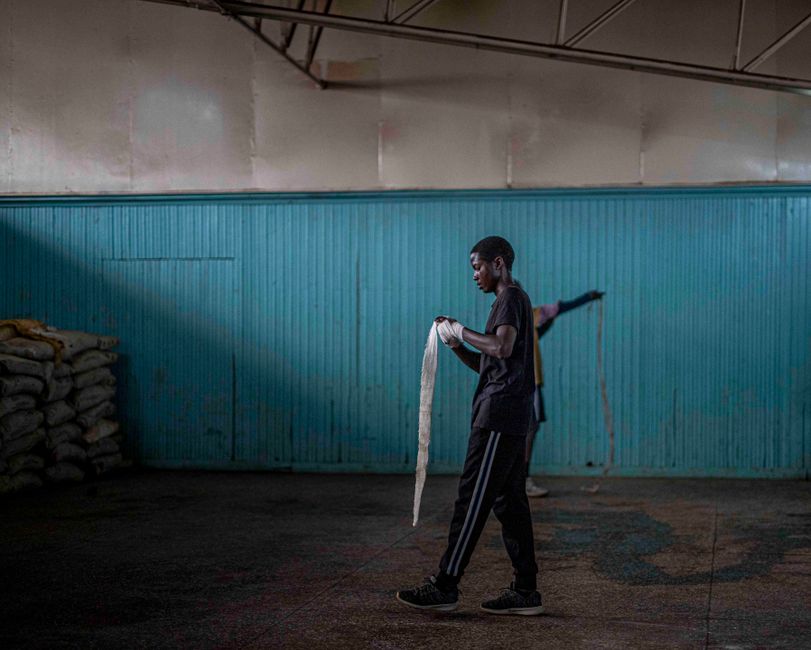
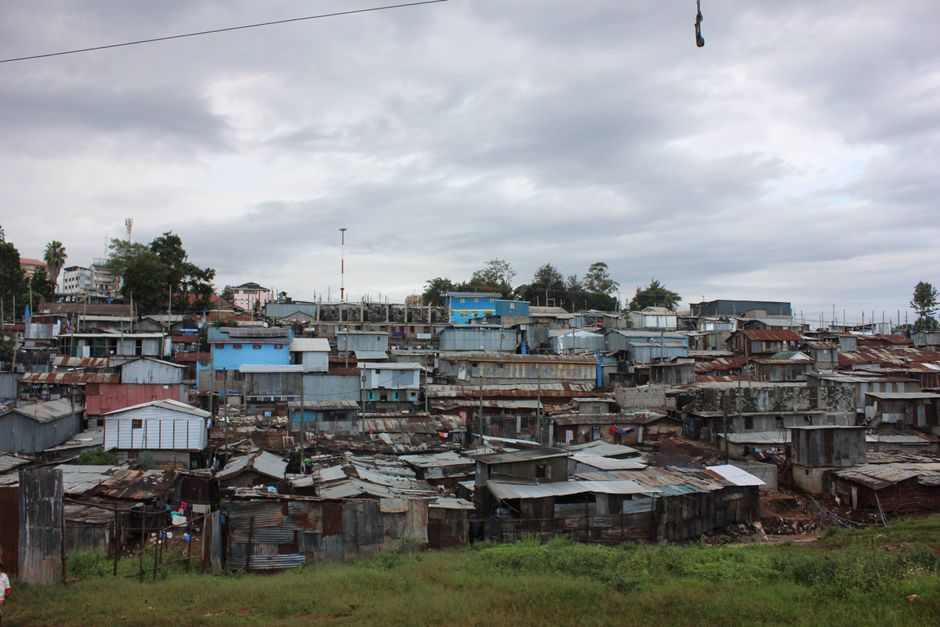
What's remarkable is that despite these constraints, Nairobi continues producing marathon champions and rising triathlon talent. Athletes train on potholed streets in Kibera and Mathare, use improvised gym equipment, and cobble together coaching support from experienced local runners. The informal economy—small gyms, community running clubs, and neighbourhood swimming spots—has become the backbone of endurance sport development.
For Nairobi to leverage its natural advantage in distance running and capitalize on growing triathlon interest, investment in dedicated facilities is no longer optional. World-class athletes deserve world-class venues. Without them, Kenya risks squandering the talent that continues to elevate the nation's global sporting profile.
This article was compiled by AI from the sources linked above and screened before publishing. See our editorial standards.