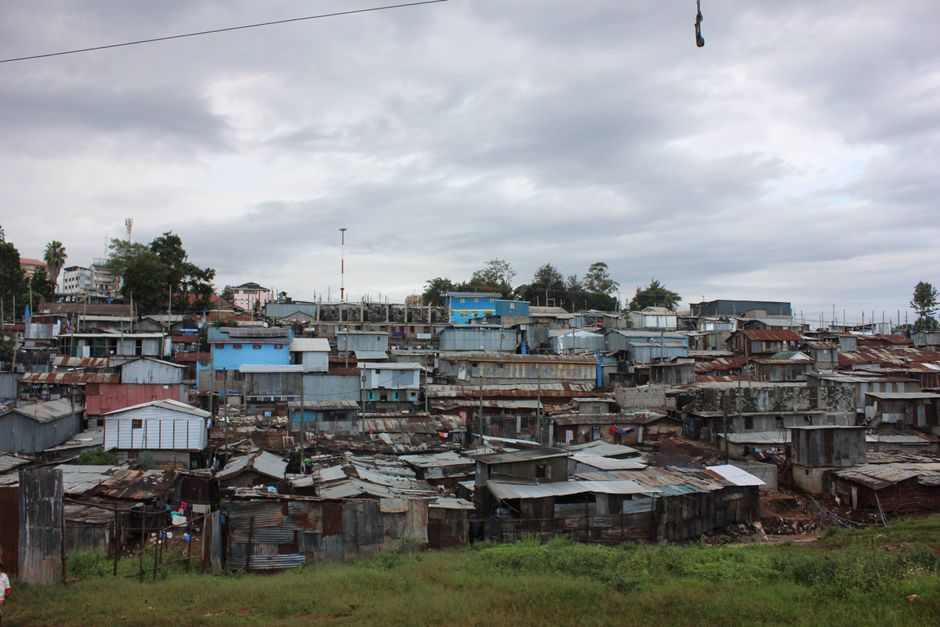
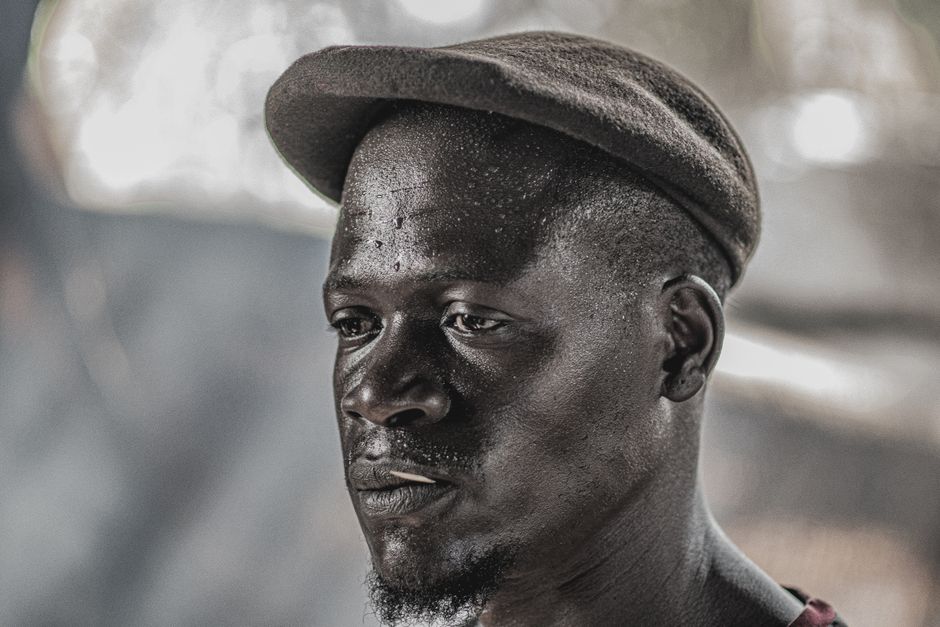
Every Saturday morning, the concrete courts at Nairobi City Park fill with the sound of sneakers and competitive banter. The Eastlands Amateur Volleyball League, now in its eighth season, draws teams from Umoja, Dandora and Kariobangi—neighbourhoods where access to formal sports facilities remains limited. Entry fees of 2,500 shillings per team per season keep participation accessible, while sponsorships from local matatu operators and mobile money vendors ensure play continues.
This is the quiet revolution reshaping Nairobi's sporting landscape. Away from the glitzy corporate tournaments and professional stadiums, a network of community-driven leagues has emerged as the true backbone of athletic development in the capital. Across sprawling informal settlements and congested suburbs, amateur organisations are not merely organising matches; they are building social infrastructure in areas where government provision has proven inadequate.
The Kibera Football Network, established in 2019, now coordinates over forty teams across the sprawling settlement. Operating from a small office near Langata Road, the organisation manages league fixtures, trains referees and runs youth development programmes—all with a budget that would barely cover catering at a single corporate event. Their 2025 annual report documented participation from more than 2,000 players, with 34 per cent female involvement, a remarkable figure given historical gender disparities in Nairobi sport.
Similar stories unfold across the city. The Kasarani Amateur Athletics Club, based near the historic stadium, has developed a membership base exceeding 800 runners through grassroots outreach. Monthly membership costs between 300 and 500 shillings, and the club organises weekly track sessions, weekend long runs and community races through residential areas. Their annual 10-kilometre fun run, held along the Nairobi River pathway, attracts participants from across the metropolitan area.
What distinguishes these movements is their resilience despite operational challenges. Internet connectivity remains patchy for fixture management. Training equipment is often makeshift. Yet these limitations have fostered innovation. Community leagues have developed sophisticated volunteer structures, with administrators managing fixtures through basic spreadsheets and WhatsApp coordination. Local physiotherapists volunteer services. Retired athletes mentor younger players without compensation.
The impact extends beyond sport. League officials report reduced youth unemployment, improved school attendance among participating students, and strengthened neighbourhood social cohesion. In areas where formal institutions struggle, these amateur organisations provide structure, purpose and belonging.
As Nairobi continues rapid urbanisation, these grassroots movements represent something critical: proof that organised sport need not depend on corporate investment or government infrastructure. Community determination and volunteer commitment can sustain competitive, inclusive athletic spaces. The question now is whether city authorities will recognise and support these existing foundations—or continue overlooking the real sporting revolution happening on Nairobi's neighbourhood pitches.
This article was compiled by AI from the sources linked above and screened before publishing. See our editorial standards.