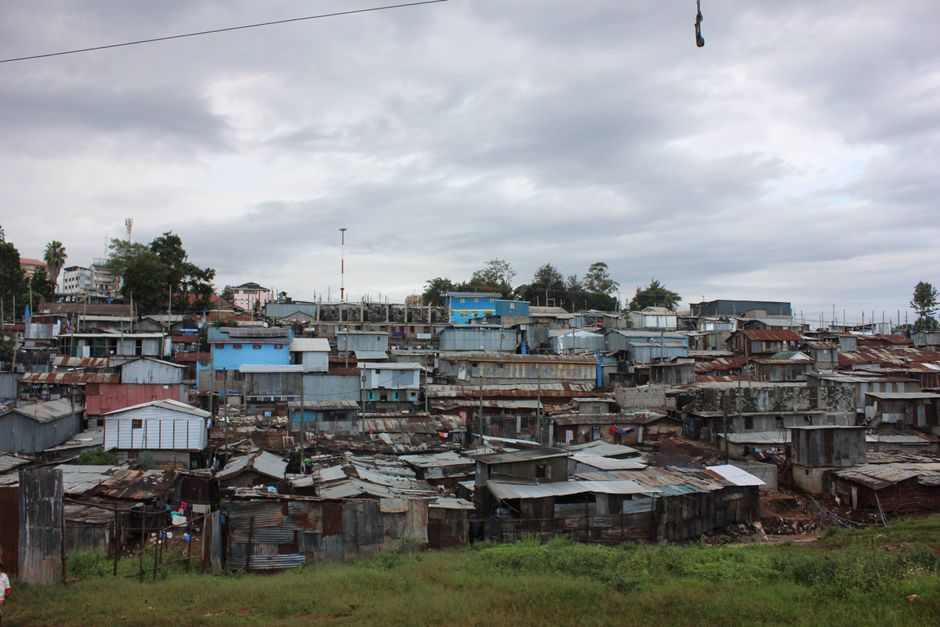
The pitch at Nairobi School's Ngong Road campus will tell a thousand stories this July as dozens of youth football clubs converge for the opening rounds of the Kenya Youth League finals. For grassroots operators across Kasarani, Dandora, and Mathare, this season's climax represents far more than trophies—it's a gateway to development contracts, university placements, and genuine pathways out of poverty.
The Youth Football Association's revised fixture calendar, released in April, promises an expanded format that includes 47 registered neighbourhood clubs competing across three age brackets: under-14, under-17, and under-20. Entry fees of 8,500 shillings per club have strained many operators, yet participation has grown 34 percent compared to last season, according to league administrators.
"We're seeing investment return to grassroots," said one Kasarani-based youth programme coordinator, noting that corporate sponsors—from telecommunications firms to logistics companies—have pledged roughly 2.3 million shillings in kit and equipment support. Nairobi City Stars' academy partnership with seven community clubs marks the most structured talent pipeline the capital has witnessed in five years.
The finals structure itself breaks new ground. Rather than a single knockout tournament, the league now features regional semi-finals hosted at Nyayo Stadium and the newly renovated Ruaraka Grounds, before champions advance to a national playoff at Moi International Sports Centre, Kasarani, scheduled for late August. This decentralisation has reduced travel costs for teams from peripheral neighbourhoods—Githurai clubs, for instance, previously spent upwards of 15,000 shillings per away fixture.
Talent scouts from East African universities and regional academies will attend finals matches, intensifying pressure and opportunity alike. Last season, twelve youth players signed developmental deals following similar tournaments; three have since joined professional academies overseas.
Yet challenges persist. Pitch access remains contested—Dandora United Youth Club lost their home ground to a residential development in March—and coaching certification standards remain inconsistent across the informal sector. The association has pledged free Level 1 coaching workshops at Karura Forest Rangers' facility on Limuru Road, though uptake has been modest.
As the season barrels toward its crescendo, Nairobi's grassroots clubs stand at an inflection point. Success at the finals could catalyse genuine structural change; failure risks another generation's talent slipping through cracks. The stakes, quite literally, have never been higher.
This article was compiled by AI from the sources linked above and screened before publishing. See our editorial standards.