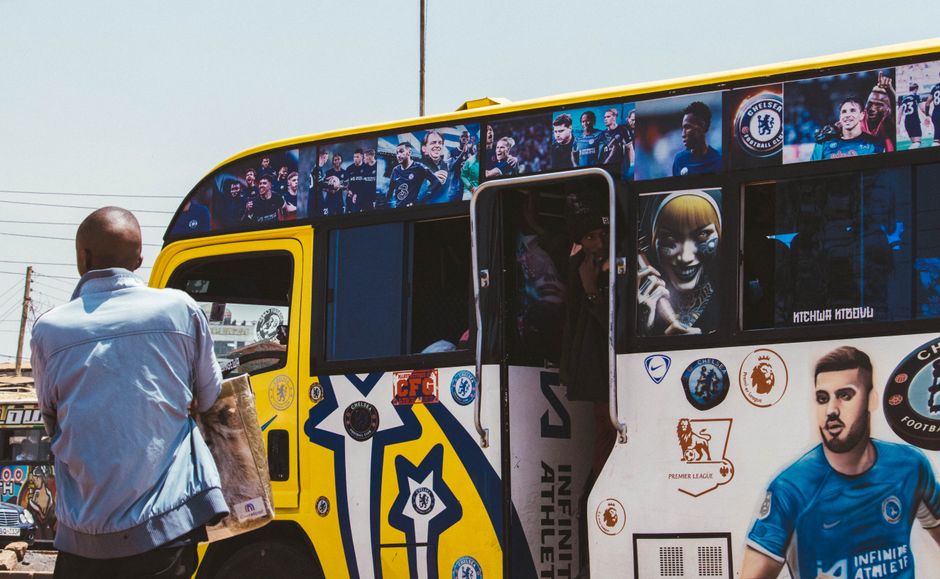
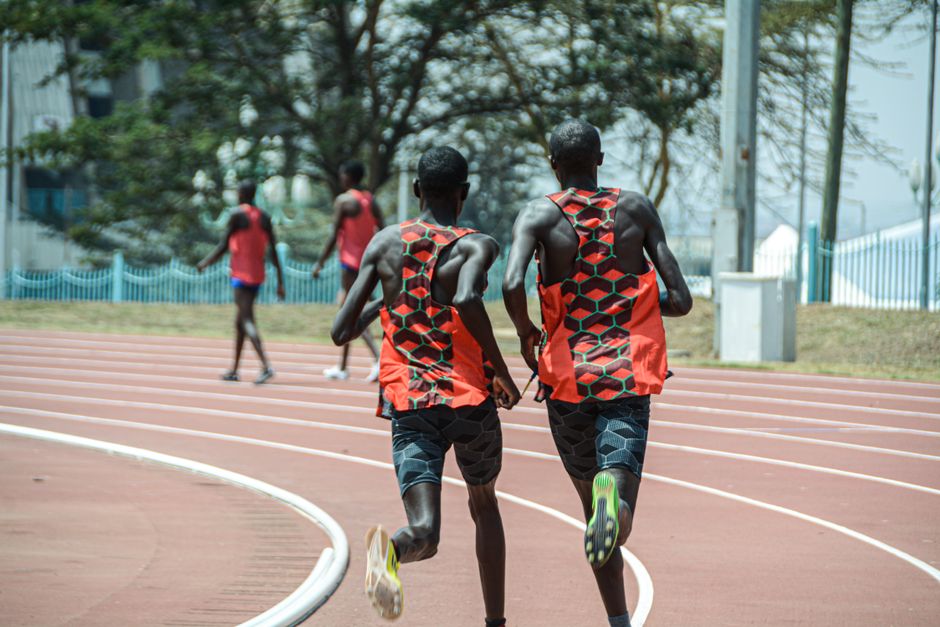
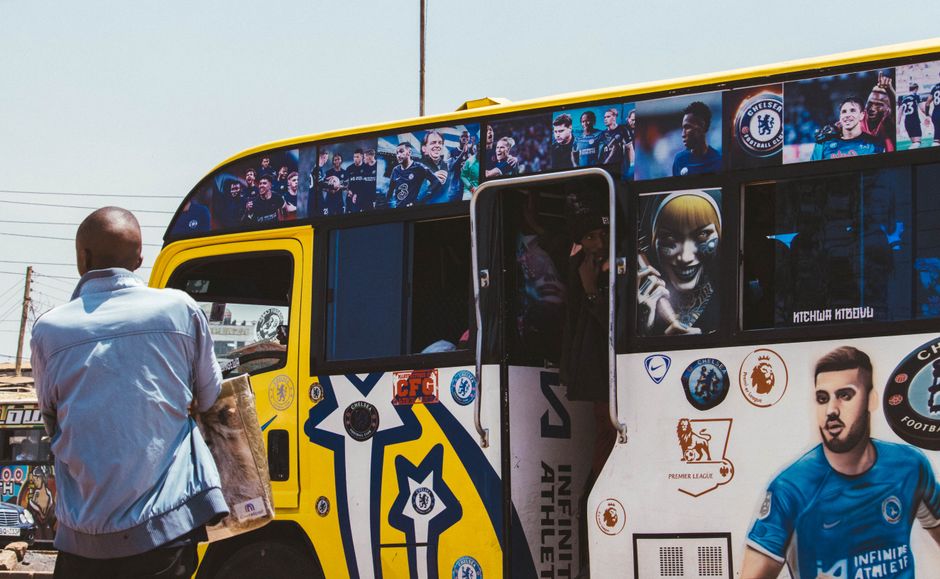
Early morning in Kibera, as the city stirs awake, dozens of runners gather at the makeshift track near the railway reserve. No fancy memberships. No air-conditioned facilities. Just community, determination, and the kind of grassroots energy that's quietly revolutionising how Nairobi approaches fitness.
This scene has become emblematic of a broader shift across the capital. While premium gyms in Westlands and Upper Hill continue to thrive—with monthly memberships ranging from KES 3,500 to KES 8,000—a parallel ecosystem of community-led fitness initiatives has emerged in neighbourhoods like Mathare, Eastleigh, and Kasarani, making sport accessible to thousands who might otherwise be priced out.
"The formal gym industry serves maybe 5-7 per cent of Nairobi's population," explains fitness researcher data from the Kenya Sports Industry Report 2025. The remaining majority, it turns out, aren't abandoning fitness altogether—they're building their own systems.
In South B, church grounds host free circuit training sessions three times weekly. Across the Ngong Hills, informal running clubs coordinate through WhatsApp, drawing participants from Langata and Karen. In Parklands, residents have established neighbourhood CrossFit collectives in shared spaces, splitting modest equipment costs among 20-30 members paying just KES 500 monthly.
What distinguishes these initiatives isn't merely affordability, though that matters enormously. These communities are generating social infrastructure. They're creating accountability structures, mentorship networks, and spaces where fitness becomes tethered to neighbourhood identity and collective wellbeing.
The momentum is visible. Photography documentation from community fitness groups across Nairobi's residential zones shows participation growing measurably year-on-year. Municipal authorities, recognising this trend, have begun formalising support—allocating public spaces in Embakasi, Dagoretti, and Industrial Area specifically for community sports programming.
Major commercial operators have noticed. Several established fitness brands are now launching "community branches"—stripped-down versions with basic equipment in accessible locations like Buruburu and Nyayo Stadium environs, priced at KES 1,500-2,000 monthly, acknowledging where real market growth exists.
Yet the distinctly Nairobi story remains the independent neighbourhood model. These aren't franchises or branded initiatives. They're organic responses to genuine need, powered by residents who recognised that fitness culture shouldn't be concentrated in postcode-privileged areas.
As Nairobi matures as a global city, this grassroots sport movement represents something increasingly rare: a democratic reshaping of urban life, one training session at a time.
This article was compiled by AI from the sources linked above and screened before publishing. See our editorial standards.