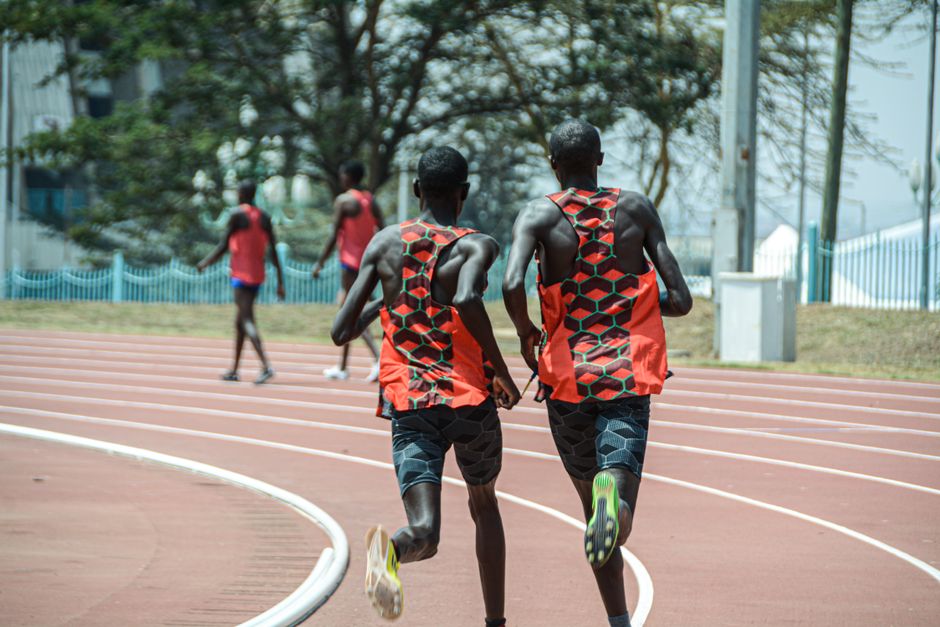
On any Saturday morning along the tree-lined paths of Karura Forest, you'll find clusters of runners in matching club colours—neon bibs that have become as much a symbol of Nairobi's endurance sport renaissance as the city's skyline itself. What began a decade ago as informal joggers' meetups has transformed into a structured, thriving ecosystem of clubs that extend far beyond elite athletes, weaving together the fabric of neighbourhoods from Kilimani to Kasarani.
The numbers tell a compelling story. Membership in Nairobi-based running clubs has grown by an estimated 40% since 2022, with cycling and triathlon clubs following suit. The Nairobi Cycling Club, which operates hub points across the city including a training base near Nairobi School in Kilimani, now counts over 800 active members. Meanwhile, triathlon clubs have sprouted in Westlands and along the Muthaiga corridor, catering to professionals seeking structured training before East African championships.
What distinguishes these clubs from transactional fitness memberships is their community focus. The Nairobi Road Runners, which coordinates training sessions from various starting points including Uhuru Park and the Arboretum, has established mentorship programmes pairing experienced marathoners with first-time participants. Members pay between 1,500 and 3,000 shillings monthly in membership fees, with additional costs for organised events, yet retention rates exceed 70%—unusual in Nairobi's fitness landscape.
"These clubs have become social anchors," says the endurance sport ecosystem in Nairobi, where informal economy and formal training intersect. Weekend runs attract street vendors selling coconuts and energy drinks along Forest Road, while cycling clubs have negotiated safer routes through partnerships with county authorities overseeing the Ngong Road corridor.
The diversity within clubs deserves particular attention. Triathlon clubs in areas like Ridgeways have actively recruited women participants, with female membership now representing 35% of some organisations—a significant shift in a sport historically male-dominated across East Africa. Age inclusivity matters too; veterans' categories have attracted retirees seeking both fitness and social connection.
Infrastructure challenges persist. Nairobi lacks dedicated cycling lanes on major thoroughfares, forcing clubs to coordinate creative routes. Yet this constraint has paradoxically strengthened community bonds—members develop intricate knowledge of the city's geography, swapping stories about undiscovered paths through Muthaiga and emerging training destinations.
As Nairobi's endurance sport clubs continue expanding, they're demonstrating that organised athletics can thrive in African cities by emphasising accessibility, community ownership, and social cohesion alongside performance metrics.
This article was compiled by AI from the sources linked above and screened before publishing. See our editorial standards.