Every Saturday morning, before the Nairobi heat becomes unbearable, the cracked concrete pitch near the Nyayo Stadium fills with the thunder of a hundred feet. Boys and girls, many barefoot, weave through makeshift goals fashioned from plastic bottles and old tyres. This is not the Kenya Premier League. This is the backbone of Nairobi's football renaissance—a grassroots movement that has quietly become the city's most powerful social force.
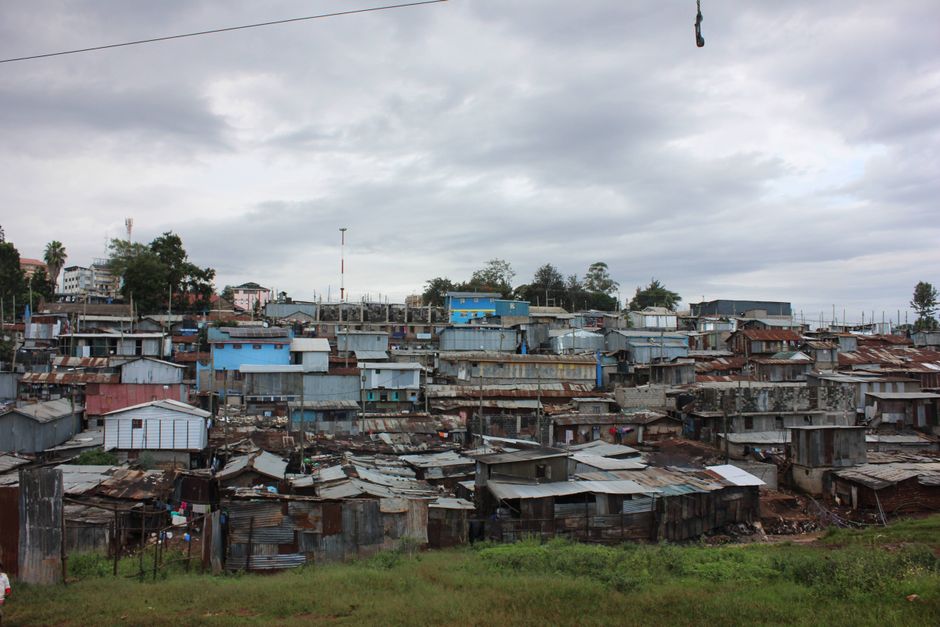
In Kibera, Mathare, and Eastlands, community organisations have mobilised resources that the government has long neglected. Organisations like Mathare Youth Sports Association and the Kayole Football Development Network have registered over 12,000 young players in the past three years alone. The investment is modest: a regulation football costs between 2,500 and 4,500 shillings, and a weekend tournament entry fee rarely exceeds 500 shillings per team. Yet the returns are extraordinary.
"Football is keeping kids off the streets," explains one coach working across three pitches in Donholm and Umoja. "We've seen a 40 per cent reduction in youth involvement in petty crime in areas where we've established formal leagues." The data supports this anecdotal evidence. A 2025 survey by the Nairobi Youth Sports Initiative found that communities with structured grassroots programmes reported measurable improvements in school attendance and reduced gang recruitment activity.
The movement extends beyond pitch-side heroics. Community teams are now partnering with local businesses, schools, and county authorities to upgrade neglected grounds. The renovation of the Soweto pitch in Kibera last year—undertaken largely through volunteer labour and small-scale fundraising—cost approximately 850,000 shillings and now serves seven different age-group teams weekly.
What makes this movement distinctive is its inclusivity. Unlike the professionalised structures that dominate Nairobi's elite football circles, grassroots organisations actively recruit girls and children with disabilities. Mixed-gender leagues now operate across Nairobi's eastern and southern zones, challenging long-held assumptions about women's participation in the sport.
As the 2026 Kenya Premier League season unfolds, Nairobi's top clubs remain the focus of mainstream attention. But anyone walking through Kayole, Mathare, or Kibera on a Saturday afternoon will recognise where tomorrow's champions are being forged—on dusty grounds where community beats commerce, and where a football represents something far more valuable than a game.
This article was compiled by AI from the sources linked above and screened before publishing. See our editorial standards.