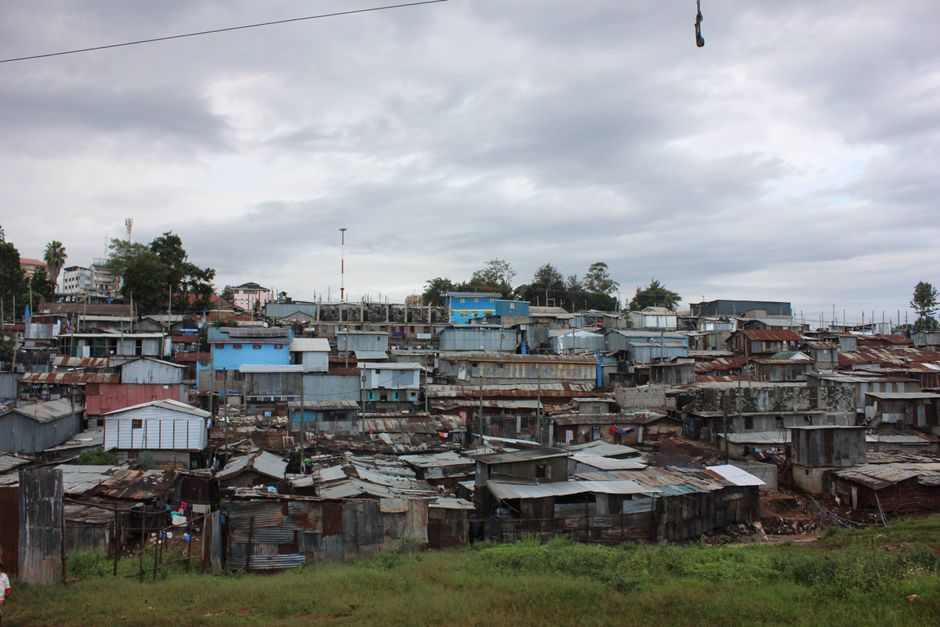
Walk past the crumbling perimeter wall on Ngong Road Extension in Kibera on a Saturday morning, and you'll find what Nairobi's sporting establishment often overlooks: over 200 teenagers engaged in a five-a-side tournament, competing for nothing but pride and a chance at better futures. This is the reality of Nairobi's community sports movement—a grassroots phenomenon that has systematically outperformed investments in formal stadium infrastructure.
The Kibera Sports Centre, operating since 2008 with minimal municipal support, hosts an average of 1,500 young athletes weekly across football, volleyball, and athletics programmes. Entrance fees of Sh50-100 per participant sustain operations that government allocations never fully cover. Yet from these packed clay courts have emerged runners who've competed at continental championships and footballers scouted by professional clubs across the region.
Similar stories unfold across Nairobi's informal settlements and working-class neighbourhoods. Mathare Youth Sports Association, tucked between Mathare Lane and industrial warehouses, runs twelve different sporting disciplines from a facility that costs less than Sh2 million annually to maintain. Meanwhile, the newly renovated Nyayo Stadium—a Sh4 billion government project completed in 2024—struggles with underutilisation, hosting perhaps two major events monthly.
The contrast is stark and telling. Formal venues like the Moi International Sports Centre in Kasarani cater primarily to elite athletes and ticketed spectators, while grassroots organisations reach deeper into Nairobi's fabric—identifying talent in Eastlands, Kawangware, and South B neighbourhoods where young people might otherwise lack structured athletic pathways.
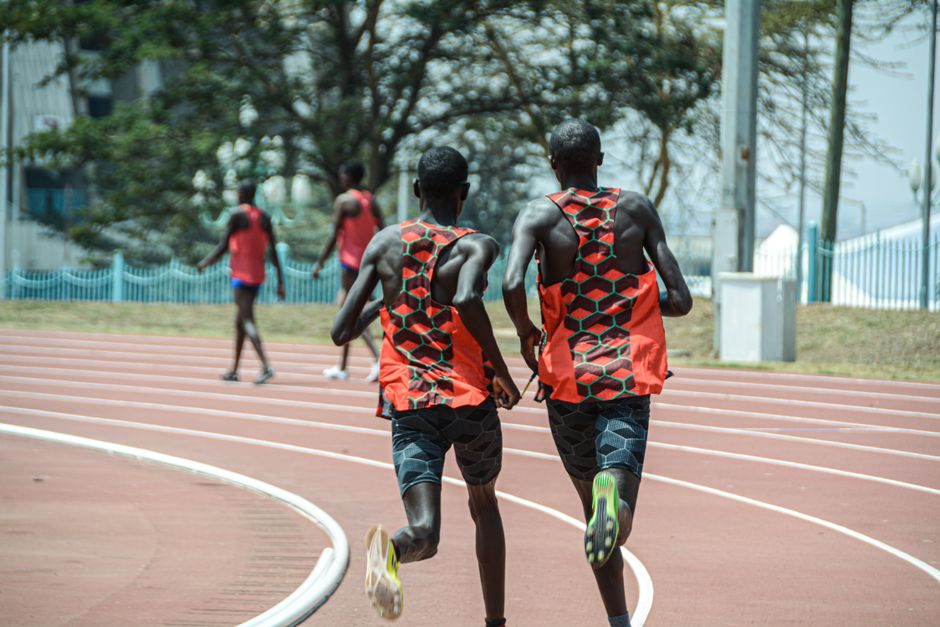
Coach initiatives operating from converted warehouses on Industrial Area roads have produced marathon runners achieving sub-2:15 times. Football academies functioning from Uhuru Park's adjacent grounds have developed defenders and midfielders now playing in Kenya Premier League clubs. These aren't glamorous stories of state-of-the-art facilities; they're testimonies to resourcefulness, mentorship, and community investment.
Yet funding remains precarious. Most grassroots organisations survive on sponsorships from local businesses and diaspora contributions, while municipal budgets disproportionately favour showcase stadiums. Sports officers acknowledge the disconnect: formal infrastructure attracts international tournaments and prestige; community facilities actually develop sustainable talent pipelines.
As Nairobi hosts increasingly ambitious sporting aspirations, the uncomfortable truth emerges: the city's greatest sporting asset isn't its stadiums. It's the hundreds of unsung coaches, volunteers, and local organisations transforming neighbourhood pitches into incubators of athletic excellence, operating on shoestring budgets and boundless determination.
This article was compiled by AI from the sources linked above and screened before publishing. See our editorial standards.