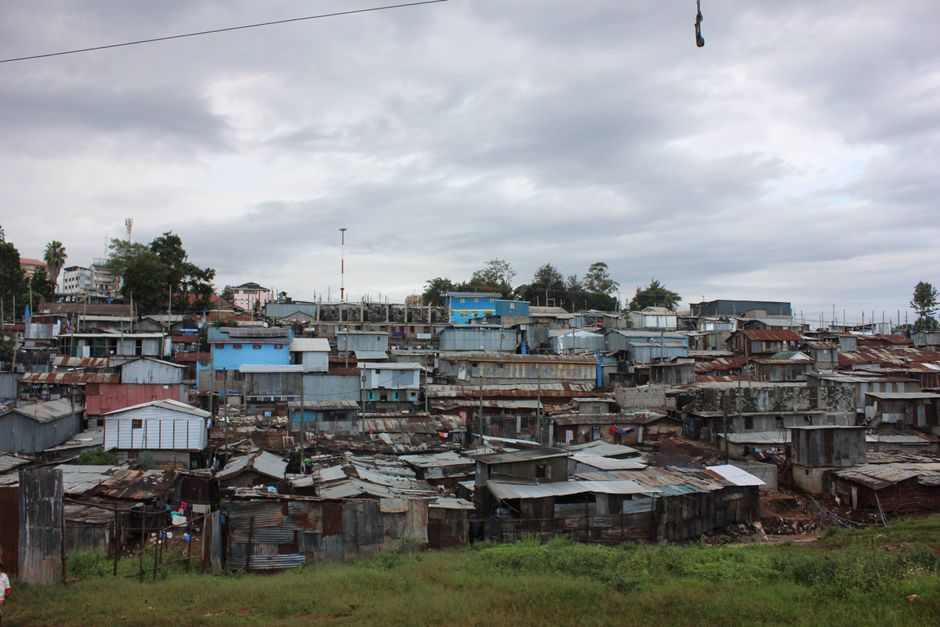
On any Saturday morning, the makeshift pitches dotting the valleys of Kibera hum with activity. Barefoot players weave between rocks and patches of worn grass, their focus absolute despite the absence of proper goalposts—old tyres and plastic sheets marking the boundaries instead. This is where Nairobi's grassroots football revolution quietly unfolds, far from the polished stadiums of Kasarani and Nyayo.
The numbers tell a compelling story. According to surveys by the Nairobi Youth Football Initiative, over 12,000 young people aged 8-18 participate in informal community leagues across settlements including Kibera, Mathare, and Dandora—areas where formal sports infrastructure remains scarce. Yet these young athletes are producing talent that increasingly catches the eye of professional scouts.
"We've identified at least 140 players from grassroots programmes who've transitioned to academy or semi-professional football in the past three years," says data from community sports coordinators tracking the pipeline. The economics are simple but striking: a community league operating in Mathare's Eastleigh section costs approximately 8,000 shillings monthly to maintain—covering basic equipment, pitch rental on shared public land, and volunteer coordinator stipends.
What distinguishes these movements is their hyper-local structure. The Nairobi Community Football Alliance, operating from modest offices near the Kibera Social Centre on Ngong Road, coordinates networks of neighbourhood-based teams. Players pay registration fees of between 300-500 shillings per season, making participation accessible to families earning below Nairobi's median household income.
The success stories emerging from these grassroots ecosystems are reshaping how talent scouts approach recruitment. Kakamega High School and other regional academies now actively scout Nairobi's informal settlement leagues—a reversal of traditional talent-discovery patterns that once favoured privileged school systems.
Challenges remain acute. Pitch access is contested; many community grounds face periodic closures for political gatherings or infrastructure projects. Equipment remains prohibitively expensive for most groups. Yet the resilience is undeniable. Teams improvise with recycled materials, negotiate with local administrators for land access, and build social cohesion through football in communities where recreational opportunities are otherwise limited.
As Kenya's professional football landscape evolves, the real story isn't happening in air-conditioned conference rooms or premier league stadia. It's unfolding on the dusty grounds of Kawangware, Huruma, and Korogocho, where thousands of young Nairobians are learning that their postcode needn't determine their football destiny.
This article was compiled by AI from the sources linked above and screened before publishing. See our editorial standards.