Grassroots Glory: How Nairobi's Youth Clubs Delivered Drama and Surprises This Week
From Kibera's dusty pitches to Karen's manicured fields, young footballers and athletes showed why investment in grassroots sport matters.
From Kibera's dusty pitches to Karen's manicured fields, young footballers and athletes showed why investment in grassroots sport matters.
It was a week of mixed fortunes across Nairobi's youth sport ecosystem, with several standout performances reminding stakeholders why grassroots development remains the backbone of Kenya's athletic future.
In the Under-16 Inter-Club Football League held at Nyayo Stadium, Mathare Youth Centre stunned favourites Nairobi School with a 2-1 victory in a pulsating midweek fixture. The win, secured through a late penalty conversion, signals the growing competitive depth emerging from informal settlements. Mathare's academy, which operates from a converted warehouse on Mugumo Road, has quietly built a reputation for unearthing talent despite minimal resources. The club charges players 500 shillings monthly—a figure many families in the area struggle to afford—yet maintains a roster of over 80 youths across age groups.
Across town in Karen, the tennis circuit delivered its own narrative. The Karen Tennis Academy's U-14 girls tournament saw Wangari School dominate proceedings, with their top player securing the singles title and the school reaching the doubles final. The three-day event, hosted at the well-appointed Karen Country Club courts, underscored the stark resource gap between elite and community-based programmes. While Karen's facilities boast professional-grade surfaces, most grassroots clubs in areas like Eastleigh and Pumwani rely on cracked cement courts or hybrid playing surfaces.
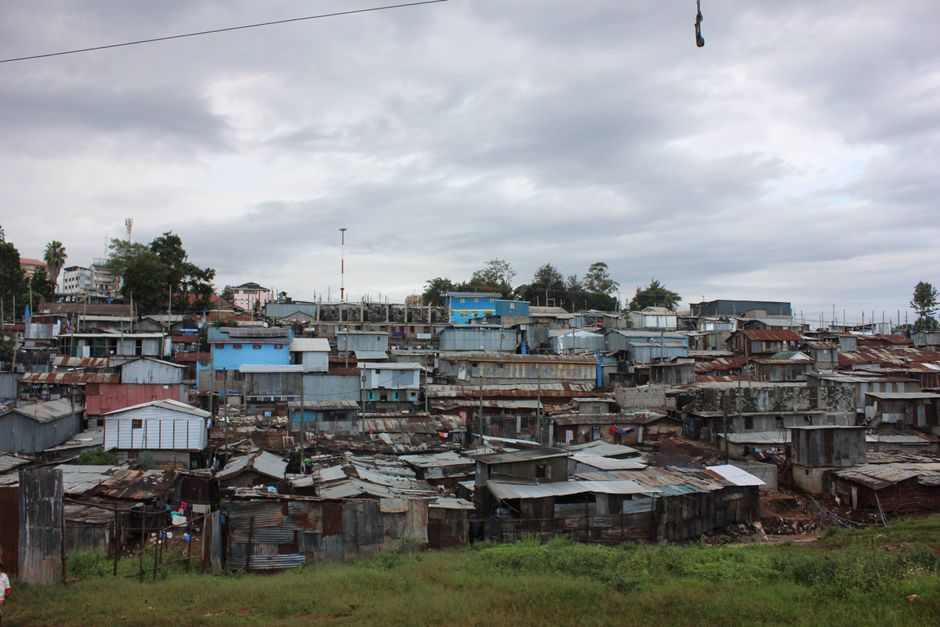
Perhaps most encouraging was the emergence of Kibera United's volleyball programme. Their Under-18 girls team secured third place in the Nairobi Volleyball Association championships held at Korogocho Community Centre last Saturday, a significant achievement for a club established only three years ago. Operating from a single corrugated-iron structure near Toi Market, Kibera United now fields five age-group teams with over 200 registered members.
However, challenges remain stark. A survey by the Nairobi Sports Development Board indicates only 23% of youth clubs in low-income areas have access to qualified coaches, while equipment shortages plague 67% of programmes. Subscription fees averaging 800 shillings monthly exclude many talented young athletes from continued participation.
Despite these obstacles, this week's results demonstrate the hunger and resilience embedded in Nairobi's grassroots sport landscape. Success stories emerging from Mathare, Kibera, and similar communities suggest that targeted investment in coaching, equipment, and facility maintenance could unlock significant athletic potential—and provide genuine pathways for youth development beyond sport itself.
This article was compiled by AI from the sources linked above and screened before publishing. See our editorial standards.
How does this story make you feel?
Spread the word
About this article
Published by The Daily Nairobi
Daily brief
Free, in your inbox before 7am. Weekdays.
More in Sport