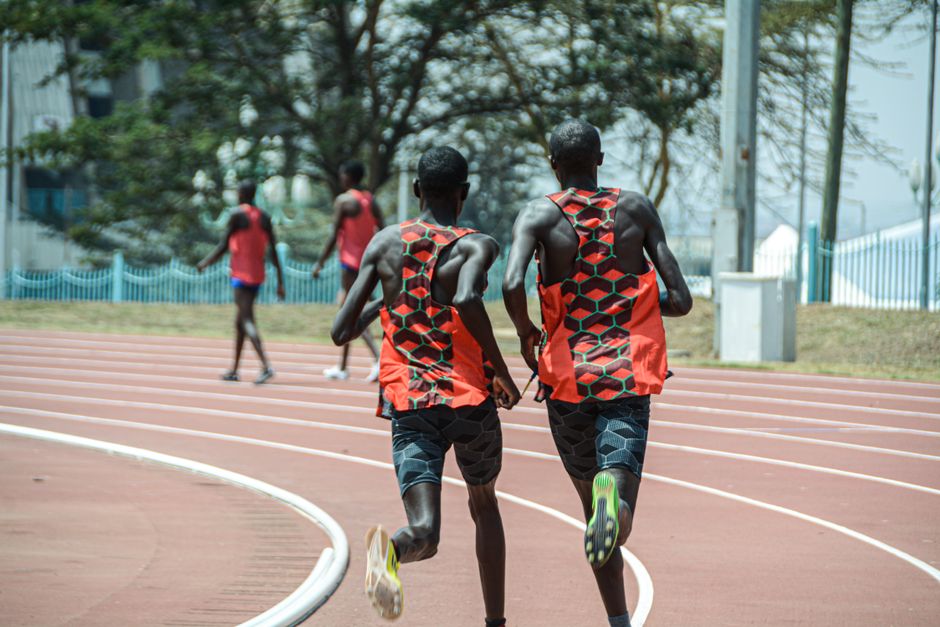
Walk through Nairobi's parks on any Saturday morning and you'll see the evidence: joggers circuit Uhuru Park in steady streams, football teams clash on pitches across Ngong Road, and cycling groups gather at the Westlands roundabout before dawn rides. But the real story of our shifting fitness culture lies in the numbers.
Recent participation data from recreational sports bodies paint a revealing picture. Amateur football leagues across the city now register over 12,000 active players across formal clubs—a 34% increase since 2022. The Nairobi Metropolitan Football Association oversees more than 180 registered clubs, many operating in neighbourhoods from Kibera to Embakasi, Lavington to South B. Entry fees typically range from 2,500 to 5,000 shillings per season, making organised sport increasingly accessible beyond the elite.
Running clubs tell an equally striking story. The Hash House Harriers' Nairobi chapter alone boasts 800+ active members, while smaller clubs operating from Karura Forest, Ngong Hills, and around the Arboretum have seen membership double. These aren't just international expats—Kenyan professionals, students, and families form the backbone of casual running culture.
Tennis courts at facilities like Nairobi Club and Karen Country Club still command premium fees, but municipal courts in Makadara and along Mbagathi Way have democratised the sport. Basketball participation, once niche, has surged 41% in three years, with courts at Nyaya Estate and Kasarani attracting daily players aged 14 to 45.
The data suggests something profound: Nairobi's fitness culture is shifting from solitary gym memberships toward community-based, organised sport. Morning runs aren't just about cardio anymore—they're social anchors. Weekend football matches organise neighbourhoods. Cycling groups build friendships across class divides.
Women's participation deserves particular attention. Female-only and mixed amateur teams have grown from 89 clubs in 2023 to 156 today. Badminton leagues in Westlands, volleyball teams across estates, and women's running groups now normalise female sports engagement beyond the elite athletic sphere.
What does this tell us about Nairobi's fitness culture? We're choosing community over isolation, structure over randomness, and belonging over self-improvement alone. The city's amateur sports landscape isn't just growing—it's reshaping how ordinary Nairobians define health, friendship, and weekend purpose. The numbers reveal a city that's finally playing together.
This article was compiled by AI from the sources linked above and screened before publishing. See our editorial standards.