Walk past Uhuru Park on any Saturday morning and you'll witness the paradox of Nairobi's youth sports landscape: hundreds of young athletes training on deteriorating pitches with minimal equipment, while prime facilities remain underutilised or inaccessible to ordinary club members.
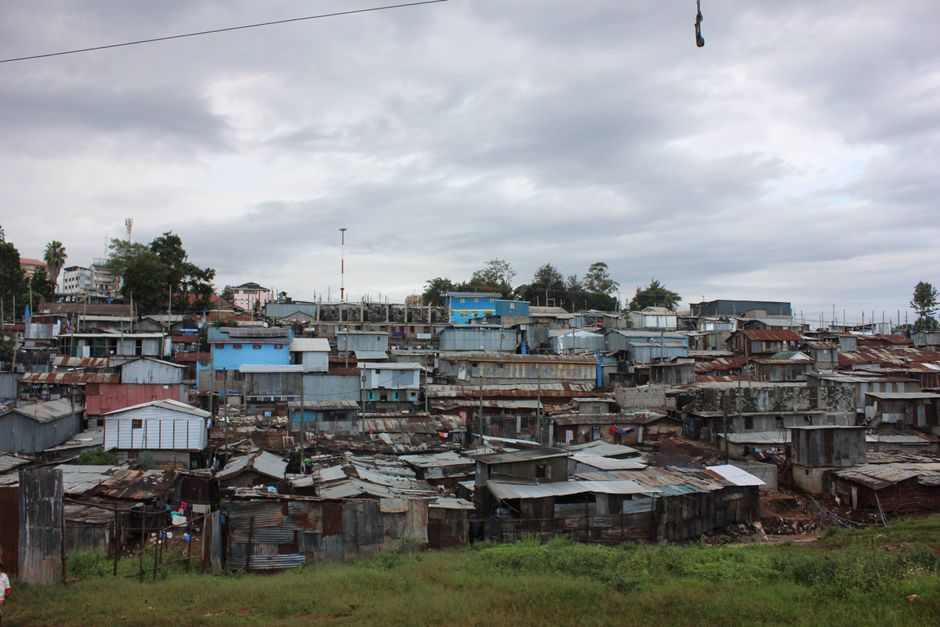
The infrastructure supporting grassroots sport in Kenya's capital tells a story of ambition constrained by reality. While elite academies like the Safari Academy in Kileleshwa boast world-class facilities, the majority of neighbourhood clubs—from Kibera United Youth in the informal settlements to Mathare United's sprawling operation—operate from grounds that are, at best, functional and, at worst, hazardous.
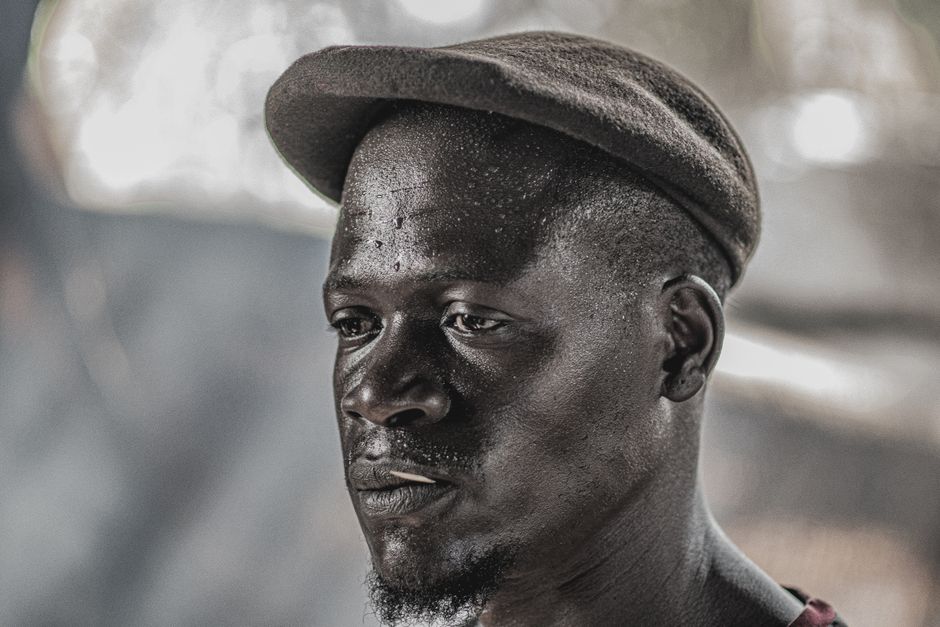
"We've got 180 registered youth members across three age groups, but we share a 40-by-30-metre pitch with four other organisations," explains the operations lead of one Eastleigh-based football club, speaking on condition of anonymity. "Maintenance costs are astronomical, and we're charging KES 500 monthly, which half our families can't afford."
Data from the Nairobi County Sports Department indicates approximately 240 grassroots clubs operate within the city, yet only 37 have dedicated, council-maintained facilities. The remainder rent or share space—often at Karura Forest grounds, City Stadium, or private estates like those in Westlands—at costs ranging from KES 3,000 to 15,000 per session. For volleyball, basketball, and athletics clubs, the squeeze is even tighter.
The Nairobi National Youth Theatre in Parklands and Makadara Sports Complex represent the city's older infrastructure investments, both built in the 1980s and now requiring significant rehabilitation. Meanwhile, newer facilities like those at the Karen Country Club remain largely exclusive to fee-paying members, leaving public-access options scarce.
"Facility access is the hidden inequality in Nairobi sport," notes a coach from a Kasarani-based athletics club. "Kids with connections train at private venues; everyone else waits for their two-hour slot on a municipal ground that hasn't seen proper maintenance in years."
County officials have promised investment through the Nairobi Metropolitan Services, with plans to rehabilitate 15 community grounds by 2028. However, budget constraints and competing priorities suggest progress will remain incremental. Several NGOs and corporate sponsors now fill the void, providing temporary training spaces and equipment donations—a critical lifeline, but no substitute for sustained, systematic infrastructure development.
As the 2026-2027 regional athletics season approaches, the question facing Nairobi's sporting community is urgent: can the city's youth development ecosystem thrive without prioritising the fundamental ingredient—proper, accessible, maintained facilities?
This article was compiled by AI from the sources linked above and screened before publishing. See our editorial standards.