Numbers Don't Lie: What Nairobi's Youth Sport Participation Data Reveals About Our Fitness Culture
From Kibera to Westlands, grassroots club enrolment figures paint a sobering picture of who gets athletic opportunity in our city—and who doesn't.
From Kibera to Westlands, grassroots club enrolment figures paint a sobering picture of who gets athletic opportunity in our city—and who doesn't.
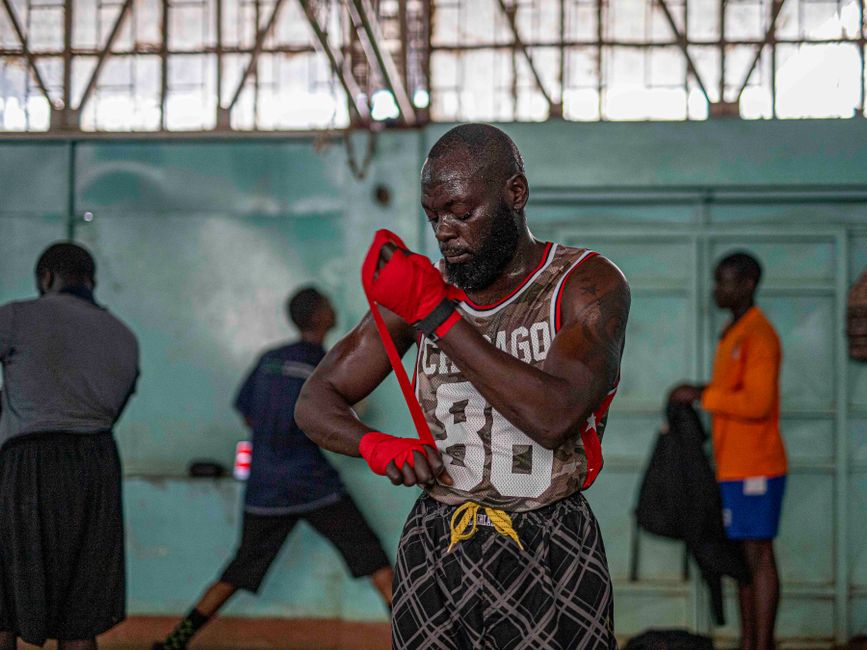
Walk past Uhuru Park on a Saturday morning and you'll see joggers by the dozens. But venture into the neighbourhoods where most young Nairobians actually live, and the sporting landscape looks dramatically different. Recent participation data from grassroots clubs across the city tells an uncomfortable story about access, inequality, and the true health of our youth fitness culture.
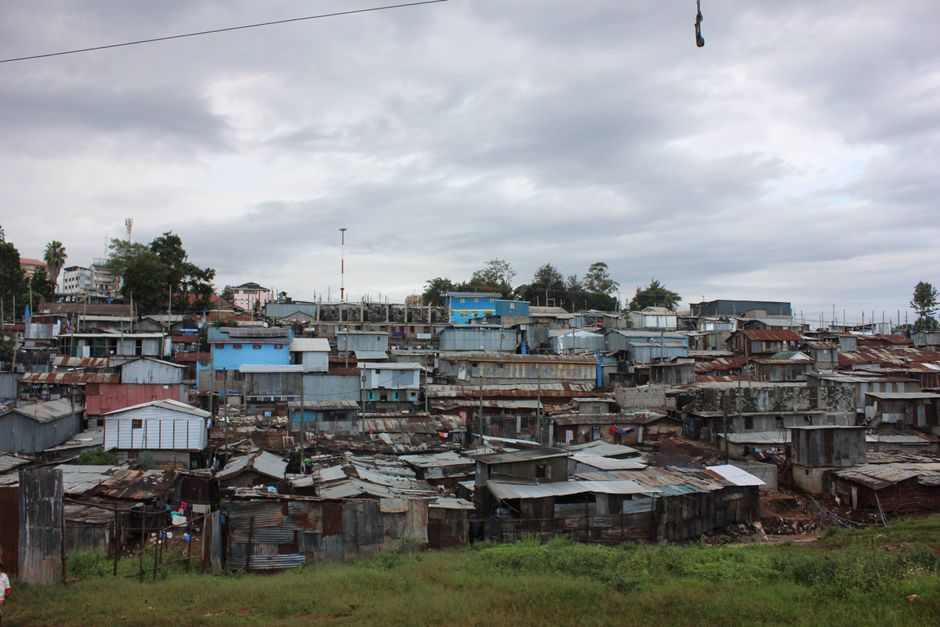
The numbers are telling. According to a survey of 47 registered youth sports clubs across Nairobi—from Mathare United's outreach programme to the Parklands Athletics Club—average monthly enrolment stands at just 312 young people per facility. Yet when you disaggregate by location, the disparities emerge starkly. Clubs operating in high-income zones like Lavington and Upper Hill report waiting lists, with membership fees ranging from 3,500 to 8,000 shillings monthly. Meanwhile, equivalent programmes in Kawangware and Korogocho operate with chronic underfunding, serving barely 60 consistent participants each.
What's particularly revealing is the gender split. Across all surveyed clubs, female participation hovers at just 28 percent. In lower-income neighbourhoods, that figure drops to 19 percent—a gap activists attribute to safety concerns, cultural expectations, and the simple fact that families struggling to feed children rarely prioritise gym fees.
The matatu ride to Ngong Road Sports Club costs 60 shillings. A month's membership costs 2,500. For a household earning 15,000 shillings monthly, that's not trivial arithmetic. Yet this is precisely where Nairobi's fitness culture is being shaped—or rather, not shaped.
Some programmes are bridging this gap. The Kenya Red Cross Youth initiative in Industrial Area has grown participation by 340 percent since introducing zero-fee community sessions. Mathare Social Centre reports that removing entrance barriers doubled their under-18 enrolment. These aren't accidents; they're evidence of what happens when opportunity meets access.
The uncomfortable truth buried in these participation figures is this: Nairobi's fitness culture isn't actually a culture at all—it's a luxury good. We celebrate marathons on the western routes while thousands of young people in our city have never owned proper running shoes. We tout Kenya's athletic heritage while the infrastructure for developing that talent remains concentrated in postcodes that represent perhaps 15 percent of our population.
If participation data tells us anything, it's that transforming Nairobi's youth fitness culture requires less moralising about health and more honest reckoning with geography, economics, and access. Until then, those waiting lists in Lavington will keep growing while the potential remains untapped elsewhere.
This article was compiled by AI from the sources linked above and screened before publishing. See our editorial standards.
How does this story make you feel?
Spread the word
About this article
Published by The Daily Nairobi
Daily brief
Free, in your inbox before 7am. Weekdays.
More in Sport