The statistics emerging from Nairobi's youth sports network paint a picture of a city at a crossroads. Recent participation data collected by the Nairobi Youth Sports Association reveals that 34 percent of children aged 8-16 in Westlands and Kilimani are enrolled in structured sporting programmes, compared to just 8 percent in Mathare and Korogocho. These figures tell us far more than simple numbers—they expose the infrastructure and wealth divides shaping our children's relationship with fitness.
Ground-level evidence supports the trends. Premium facilities like the Nairobi Racquets Club and Kenya Gymnastics Centre in Upper Hill report waiting lists stretching into months, with monthly memberships ranging from Sh8,000 to Sh15,000. Yet in Eastleigh and Kasarani, community-run clubs operating from repurposed school grounds and church compounds charge Sh500-Sh2,000 monthly but struggle to retain equipment and qualified coaches.
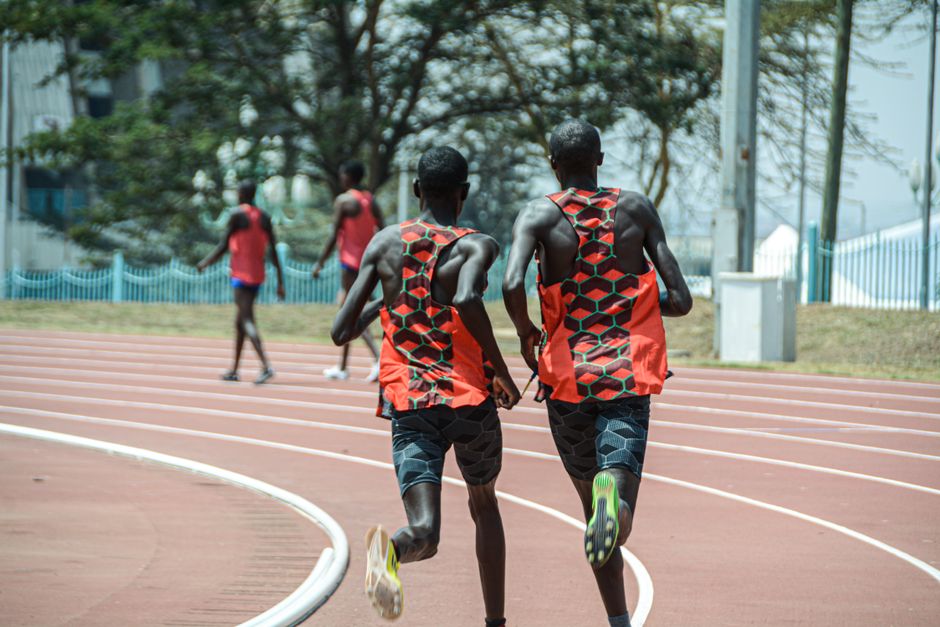
The data reveals something encouraging, however. Football remains Nairobi's grassroots sport of choice, with 47 percent of participating youth engaged in the game. Informal tournaments across Uhuru Park, Karura Forest edges, and sponsored leagues in Industrial Area, Kariobangi, and Dandora continue to draw hundreds weekly. Athletic clubs in South B and Kilimani report rising youth membership in track and field—a potential pipeline for national talent.
Basketball participation has doubled since 2023, particularly among girls, with organisations like Nairobi Basketball Association registering 2,100 young players across 34 affiliated clubs. Swimming, however, remains inaccessible; only three public pools operate effectively—Nairobi Water and Sewerage Company facilities in Ruai and one municipal pool in Westlands—limiting participation to less than 3 percent of youth.
What concerns sports development officers is consistency. Survey data shows 41 percent of enrolled youth drop out within eighteen months, citing costs, distance to venues, or competing pressures. Children in Kibera, Ngara, and Parklands alternate participation based on school terms and family finances.
Yet grassroots organisers remain optimistic. Clubs reporting structured coaching, community sponsorship, and integration with school programmes show 60 percent retention. The message is clear: participation rates in Nairobi's youth sports reflect not lack of interest but unequal access to resources and opportunity.
For a city positioning itself as East Africa's sports capital, these numbers demand attention. Closing the participation gap between neighbourhoods isn't merely a social equity issue—it's about unlocking the athletic potential currently dormant across Nairobi's working-class zones.
This article was compiled by AI from the sources linked above and screened before publishing. See our editorial standards.