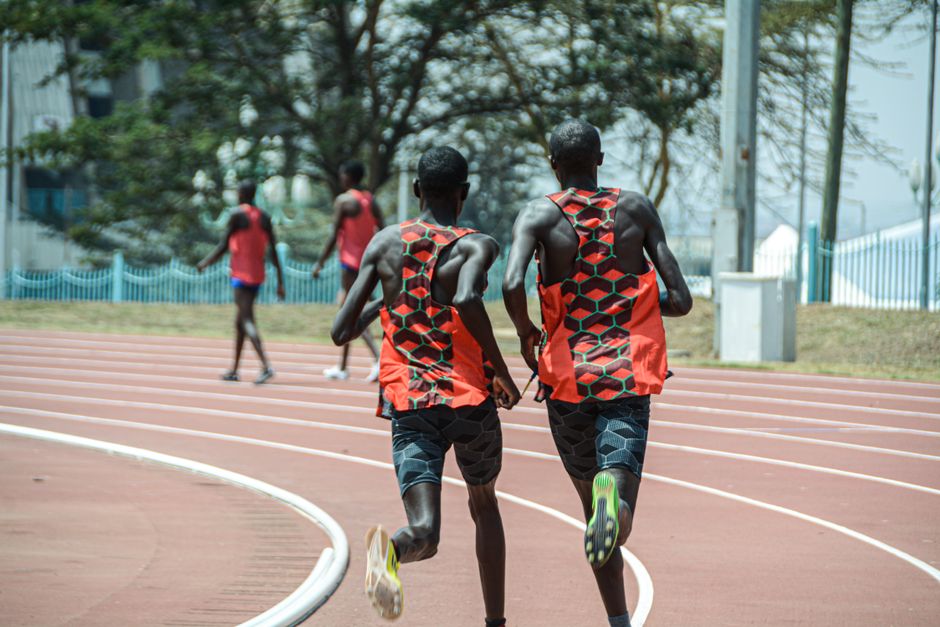
The converted warehouse on Limuru Road in Westlands has become an unlikely epicentre of Nairobi's evolving gym culture. What began three years ago as a modest 800-square-metre space has transformed into a high-performance hub where Kenya's national rugby sevens squad—currently ranked 12th globally—conducts the brutal conditioning work that underpins their Olympic aspirations.
The facility, which operates under a hybrid model charging members between KES 3,500 and 8,500 monthly while hosting elite teams on corporate sponsorship, represents a significant shift in how professional sport is approached in Kenya. Unlike the traditional reliance on road running and field work, this programme integrates periodised strength training, biomechanical analysis, and recovery protocols that were largely absent from Nairobi's sporting infrastructure five years ago.
"We're tracking metrics that weren't even measured here before," explains the squad's conditioning team, noting that players undergo monthly body composition assessments and GPS-monitored field sessions. The seven-month preparation cycle leading to qualification tournaments demands adherence to programming that mirrors elite rugby nations in the Southern Hemisphere.
The ripple effects have been palpable across Nairobi's fitness landscape. Gyms in Kilimani, Karen, and Parklands report increased inquiries from amateur rugby clubs seeking to replicate elements of the national programme. Monthly membership prices across the capital have risen marginally—averaging KES 4,200 in premium facilities—reflecting upgraded equipment and coaching credentials.
What distinguishes this moment is the visibility. Previous generations of Kenyan athletes trained largely behind closed doors, their methods opaque to the broader public. Today, Instagram posts from training sessions, athlete wellness updates, and partnership announcements with sports science providers create a transparency that resonates with Nairobi's growing fitness-conscious demographic. The squad's social media following has tripled since 2024, with followers as far as the diaspora in London and Toronto engaging with their journey.
The squad's headline-grabbing performances—notably a regional tournament victory in March that secured critical Olympic ranking points—have validated the approach. But equally significant is the cultural shift: fitness training among young Nairobians increasingly borrows language and methodology from elite sport, whether participants harbour competitive ambitions or not.
As the squad continues preparation from their Westlands base through the remainder of 2026, their influence on local gym culture will likely deepen. What began as a professional necessity has become a reference point for how serious athletes—and aspirational fitness enthusiasts—train in Kenya's capital.
This article was compiled by AI from the sources linked above and screened before publishing. See our editorial standards.