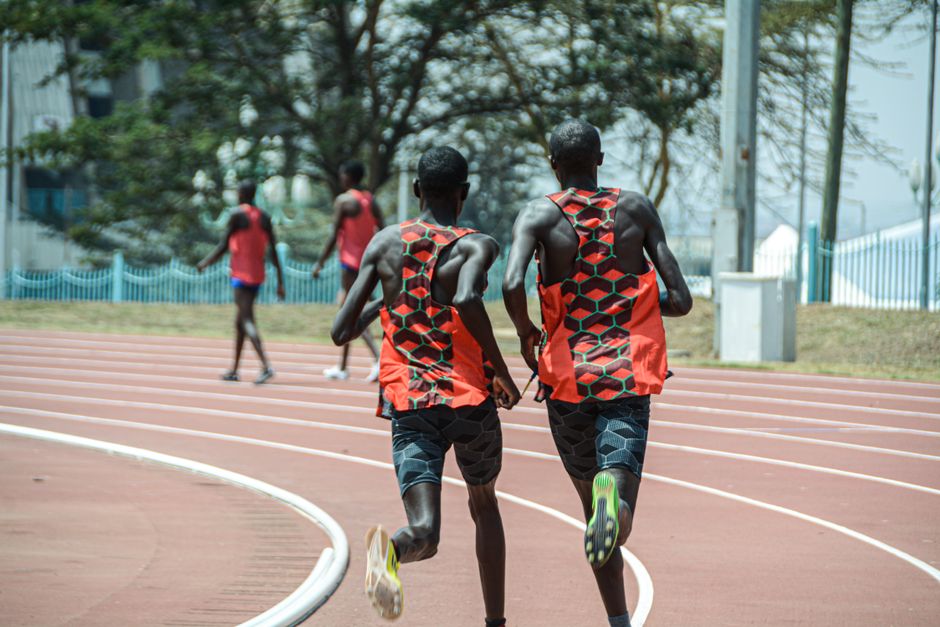
The Nairobi Rugby Club's Upper Hill headquarters has become a focal point for serious athletes this season, as their newly revamped conditioning programme attracts attention from fitness professionals across East Africa. The club's integrated approach to team athleticism—combining traditional strength work with sport-specific agility training—reflects a broader shift in how Kenya's elite sports clubs are approaching fitness culture in 2026.
Located on Limuru Road, the club has invested significantly in upgrading its training facilities, bringing in strength coaches with international credentials and adopting periodized training models typically reserved for national teams. This investment comes at a time when Nairobi's gym culture has expanded dramatically beyond the CBD's traditional fitness centres on Kenyatta Avenue and Mama Ngina Street. The club's membership rates—ranging from Sh18,000 to Sh35,000 monthly depending on access levels—undercut many premium gyms in Westlands and Karen, yet offer structured team training that commercial facilities cannot replicate.
What sets the Nairobi Rugby Club apart is their emphasis on communal progression. Rather than the individualistic approach that dominates commercial gyms across the capital, their model prioritizes synchronized conditioning blocks that align with competitive fixtures. Their summer programme, which concluded last week, incorporated periodized strength phases, mobility work, and sport-specific drills that have reportedly improved average player conditioning metrics by 12-15 percent compared to last season.
The ripple effects are visible across Nairobi's fitness ecosystem. Smaller clubs in suburbs like Kilimani, Lavington, and South C are now adopting similar frameworks, recognizing that strategic team conditioning creates measurable performance gains. Several personal trainers operating independently across the city—particularly around areas like Gym Zone in Kilimani and various CrossFit boxes in Westlands—have begun incorporating rugby-specific conditioning elements into their programming.
Kenya's fitness industry, valued at approximately Sh8 billion annually, has traditionally been fragmented between commercial gyms and sports-specific clubs. The Nairobi Rugby Club's visibility this season suggests an inflection point: elite team sports are increasingly influencing mainstream fitness trends, and specialized conditioning is no longer the exclusive domain of professional athletes.
As competitive seasons resume in July, other Nairobi-based clubs—from cricket to hockey organizations—are reportedly evaluating similar conditioning investments. The momentum suggests that 2026 may mark a watershed moment for how the capital approaches team athletic development, moving away from ad-hoc training towards systematized, evidence-based conditioning programmes.
This article was compiled by AI from the sources linked above and screened before publishing. See our editorial standards.