Nairobi's Gym Revolution: How New Facilities Are Reshaping the City's Fitness Infrastructure
From Westlands to Kilimani, world-class training venues are transforming Nairobi into a continental fitness hub.
From Westlands to Kilimani, world-class training venues are transforming Nairobi into a continental fitness hub.
Nairobi's fitness landscape has undergone a dramatic transformation over the past three years, with state-of-the-art gymnasium facilities sprouting across the city's affluent neighbourhoods. What was once a modest collection of basic weightlifting gyms has evolved into a sophisticated ecosystem of specialized training centres, reflecting both local demand and international investment in Kenya's growing wellness sector.
The infrastructure boom is most visible along the Westlands corridor, where premium facilities now boast Olympic-standard equipment, climate-controlled studios, and dedicated coaching areas. Kilimani and the Upper Hill district have similarly emerged as fitness destinations, with establishments offering everything from CrossFit boxes to high-intensity interval training (HIIT) studios. Industry observers estimate that Nairobi now hosts over 120 registered gymnasiums, a 45% increase since 2023, with membership fees ranging from 2,500 Kenyan shillings monthly for basic facilities to upwards of 15,000 for elite centres.
The trend reflects broader shifts in how Nairobians approach health and wellness. Recent fitness industry surveys indicate that gym membership in the city has grown at approximately 18% annually, outpacing regional competitors like Dar es Salaam and Lagos. Younger professionals aged 25-40 constitute the primary demographic, though facilities increasingly cater to seniors and families seeking comprehensive wellness programmes.
Beyond commercial gyms, municipal and institutional infrastructure is playing an expanding role. The Nairobi Sports House, strategically located in the city centre, continues renovation projects aimed at modernizing its training facilities. The Moi International Sports Centre in Kasarani remains a cornerstone facility for track and field athletes, though accessibility remains a challenge for casual fitness enthusiasts given its specialized focus and geographic distance from central business districts.
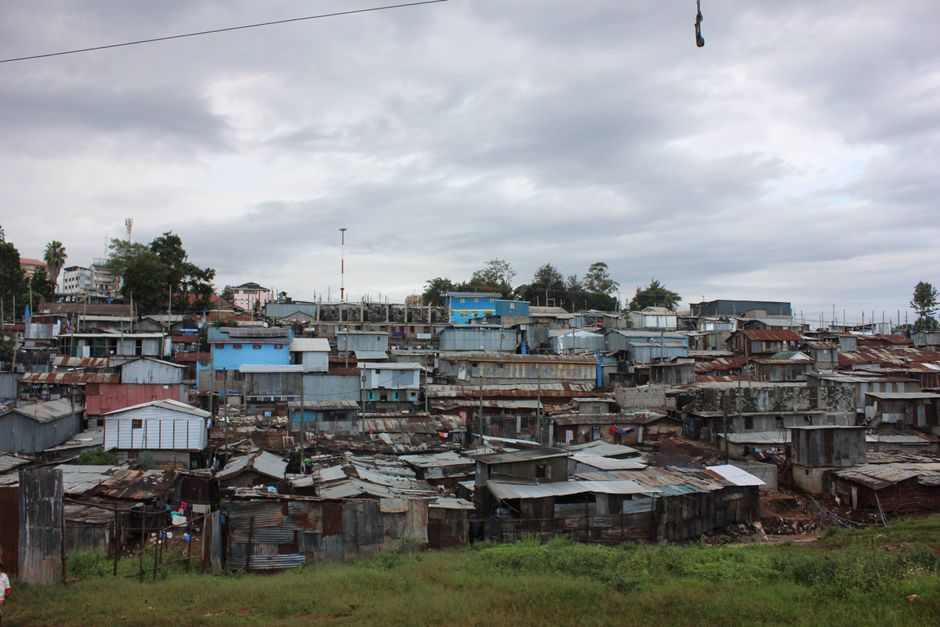
However, infrastructure gaps persist. The majority of world-class facilities concentrate in affluent zones, leaving middle-income neighbourhoods like Eastleigh, Pangani, and parts of South C underserved. Transport connectivity remains problematic—many Nairobians spend 45 minutes or more commuting to premium facilities, representing a significant barrier to regular participation. Advocacy groups have called on the Nairobi City County to develop a fitness infrastructure master plan that prioritizes equitable facility distribution.
Emerging trends suggest the sector will continue expanding, with boutique studios and home-gym culture gaining traction among time-constrained professionals. Nevertheless, the concentration of premium infrastructure in specific zones raises questions about fitness equity in Africa's third-largest city. As Nairobi positions itself as a continental sports and wellness capital, the challenge lies in ensuring that upgraded facilities benefit all residents, not merely the privileged few.
This article was compiled by AI from the sources linked above and screened before publishing. See our editorial standards.
How does this story make you feel?
Spread the word
About this article
Published by The Daily Nairobi
Daily brief
Free, in your inbox before 7am. Weekdays.
More in Sport