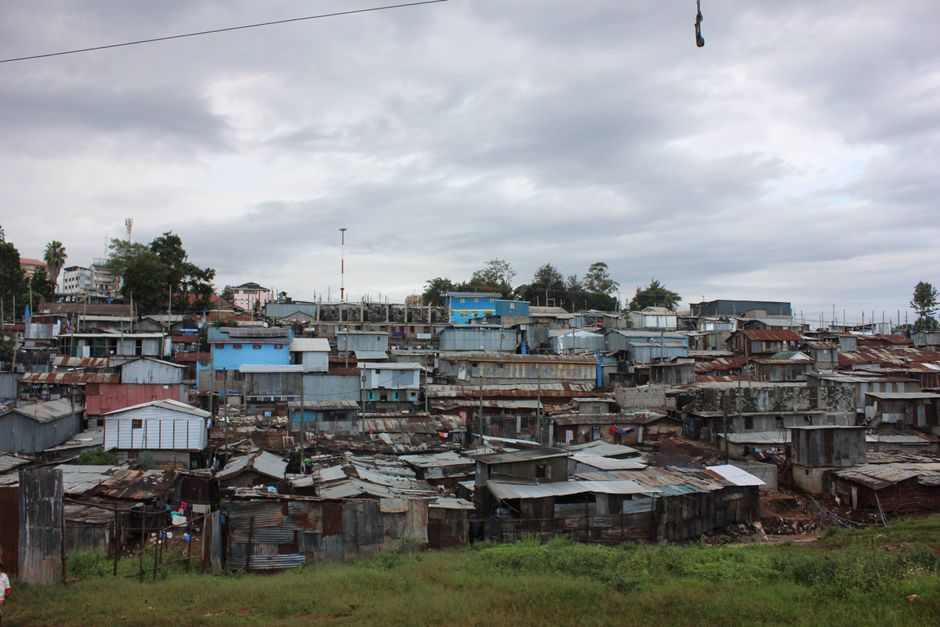
On a humid Saturday morning in Nairobi's Kangemi neighbourhood, a group of two dozen young climbers gather at an abandoned quarry face that has become an unlikely training ground. Armed with secondhand harnesses, frayed ropes, and homemade anchor points, they represent a quiet revolution in Kenya's adventure sports landscape—one born not from fancy gyms or corporate sponsorship, but from pure determination and collective resourcefulness.
The grassroots climbing movement that has emerged across Nairobi over the past four years tells a distinctly local story. Unlike the polished climbing walls at the Nairobi Athletic Club or the premium facilities catering to expatriates, these community-led initiatives are democratising access to a sport traditionally seen as the preserve of wealthy enthusiasts. Groups operating from Kayole, South B, and along the Ngong Road corridor have grown from informal gatherings of five to ten people to organised collectives numbering in the hundreds.
"We started with three people and borrowed equipment," explains one Nairobi-based climbing enthusiast whose collective now operates monthly training sessions in the Mathare area. "Now we have over sixty active members, and we've trained more than eighty newcomers this year alone. Most pay between 500 and 1,000 shillings per session, which goes directly into safety equipment and site maintenance."
The movement's backbone rests on several factors unique to Nairobi's urban landscape. The city's geological features—natural rock formations around the Ngong Hills, quarries in industrial zones, and cliff faces near the Athi River—provide free training venues. Social media networks, particularly WhatsApp groups and Instagram pages, have enabled rapid coordination and knowledge-sharing that would have been impossible a decade ago. Younger climbers, many in their twenties and thirties, are documenting their progress through viral content, attracting curious onlookers into the sport.
Safety remains a persistent challenge. Unlike regulated facilities, these outdoor training sites operate without formal oversight. Equipment standards vary wildly—some groups have invested in proper gear, while others rely on improvised solutions. However, experienced climbers within the community have begun running informal certification workshops, creating a peer-based safety culture.
What makes this movement remarkable is its inclusive ethos. Classes deliberately welcome beginners, women, and participants from lower-income backgrounds. Weekend sessions on the Westlands escarpment regularly attract domestic workers, motorcycle taxi drivers, and university students—a demographic diversity virtually unheard of in Nairobi's traditional sports clubs.
As extreme sports continue gaining global popularity, Nairobi's climbing community demonstrates that transformation doesn't require investment from above. Instead, it emerges organically when access barriers dissolve and communities claim public spaces as their own.
This article was compiled by AI from the sources linked above and screened before publishing. See our editorial standards.