The figures arriving from Nairobi's youth sports organisations paint a portrait of a city at an inflection point. Participation in registered grassroots athletics clubs has grown 34% over the past three years, according to aggregated data from the Kenya Amateur Athletics Association's Nairobi chapter, with junior membership now exceeding 8,400 across the metropolitan area. Yet beneath these encouraging numbers lies a more complex story about who gets to play, where, and at what cost.
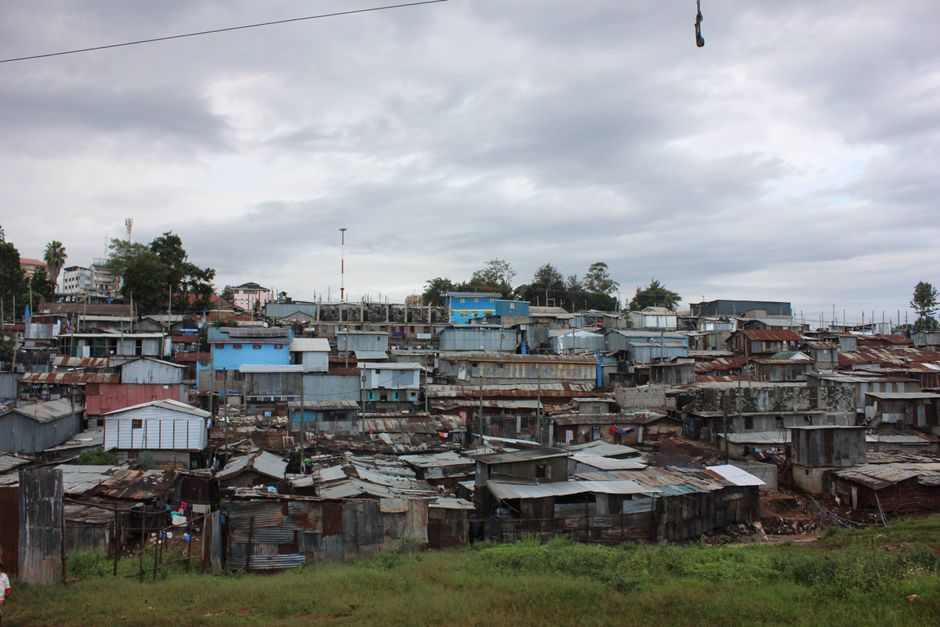
Clubs operating in affluent zones like Westlands and Karen report waiting lists. Parklands Athletics Club, which trains from the facilities near the University of Nairobi's Chiromo campus, saw junior membership jump from 120 to 280 between 2023 and 2026. Monthly fees there run to 3,500 shillings—a threshold that immediately excludes many families. By contrast, community-run initiatives in Mathare and Kibera, where participation data shows similar enthusiasm but fewer formal registrations, operate on shoe-string budgets with volunteer coaches and deteriorating municipal pitches.
Football tells a different story. Data from the Nairobi Football League suggest youth academy enrolment has remained flat at roughly 2,100 registered players aged 8-16, despite the sport's cultural dominance. The barrier appears economic: academy fees in organised clubs range from 2,000 to 5,000 shillings monthly, pushing many young talent towards informal street football in areas like Eastleigh and Industrial Area, where participation goes unmeasured but is visibly thriving.
Swimming and tennis—sports with high facility costs—show the starkest participation inequality. Only 340 young people are registered in formal swimming programmes city-wide, concentrated at private clubs in Kilimani and Spring Valley. Tennis participation barely exceeds 200. Compare this to athletics' accessibility: a running club requires minimal infrastructure, making it the de facto sport of Nairobi's youth fitness culture.
The data also reveals gender imbalances. Female participation in athletics clubs stands at 38%, higher than football's 22% but still reflecting ingrained assumptions about which sports suit young women. Boxing and martial arts clubs, conversely, show near-parity in newer registrations, suggesting cultural attitudes are genuinely shifting among younger cohorts.
What emerges from this participation landscape is a fitness culture shaped primarily by economics and geography. Nairobi's youth sports scene is thriving—but unevenly. Without urgent investment in community facilities across underserved zones, the numbers risk becoming a story not of opportunity widening, but of privilege consolidating. The real measure of our grassroots development won't be the headline figures. It will be whether the kid in Kibera has the same chance as the kid in Karen.
This article was compiled by AI from the sources linked above and screened before publishing. See our editorial standards.