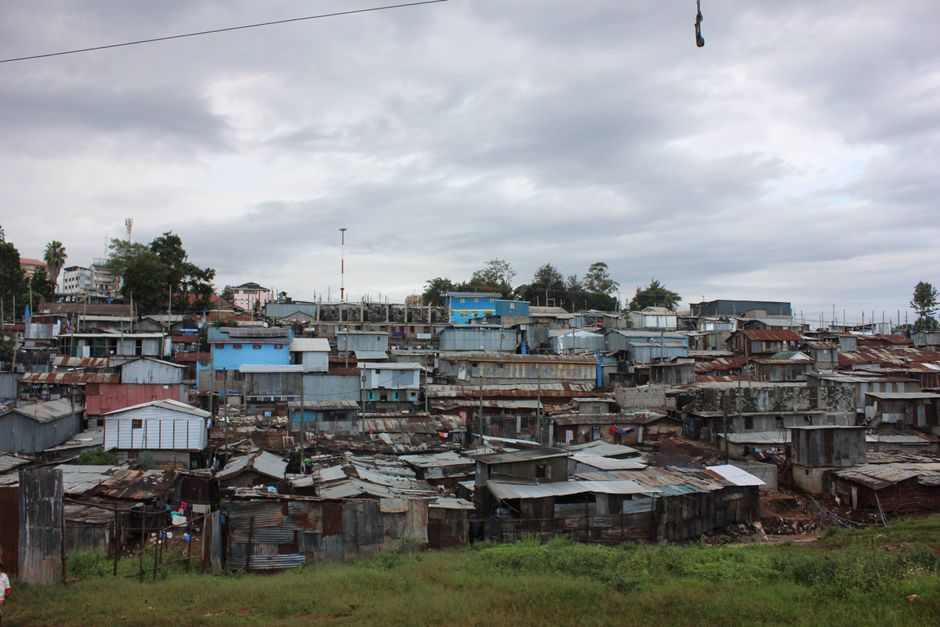
On a narrow strip of land wedged between corrugated iron structures and a community health centre on Makina Road, something remarkable is unfolding. Kibera United, a youth football club founded just four years ago, has quietly become one of Nairobi's most talked-about grassroots operations—not for flash or fanfare, but for tangible results and an ethos that prioritises player welfare over profit margins.
The club's trajectory caught widespread attention this month when three of its Under-17 players were invited to trial with Kenya's national youth squad ahead of the East African Championships. For a club operating with a monthly budget of roughly 150,000 shillings and relying heavily on volunteer coaches, the selection represented vindication of an unconventional model.
"We don't have manicured pitches like some academies in Westlands or Upper Hill," says the club's operations director, in a recent conversation. "But what we have is consistency, structure, and genuine investment in these young people's futures." The club's facility—a 60-by-40 metre pitch that doubles as a community gathering space—hosts training sessions five evenings weekly, with approximately 180 registered youth players across three age categories.
What distinguishes Kibera United from the sprawl of informal football groups across Nairobi's informal settlements is its commitment to education integration. Players maintain minimum school attendance records, and the club partners with three local primary schools to identify talent early. Crucially, annual registration fees are capped at 3,000 shillings, with waivers available for families unable to pay—a deliberate stance against the commercialised gatekeeping that excludes talented children from low-income backgrounds.
The timing of their prominence matters. As Cape Verde's improbable World Cup qualification continues to captivate diaspora communities globally, and investment in African grassroots football gains traction among international development organisations, Kibera United exemplifies what's possible with minimal resources but maximum intentionality.
Local government has begun taking notice. Nairobi County's sports officer recently visited the facility and pledged support for formal pitch development, a meaningful shift given years of bureaucratic indifference toward informal settlement sports infrastructure.
The challenges remain substantial—equipment shortages, pitch maintenance costs, and poaching of players by better-resourced academies are constant pressures. Yet the club's ascent has not gone unnoticed by scouts from regional academies and even representatives from international development football programmes.
In a city where organised youth sport often correlates with family income, Kibera United's emergence suggests that talent and opportunity need not be expensive companions.
This article was compiled by AI from the sources linked above and screened before publishing. See our editorial standards.