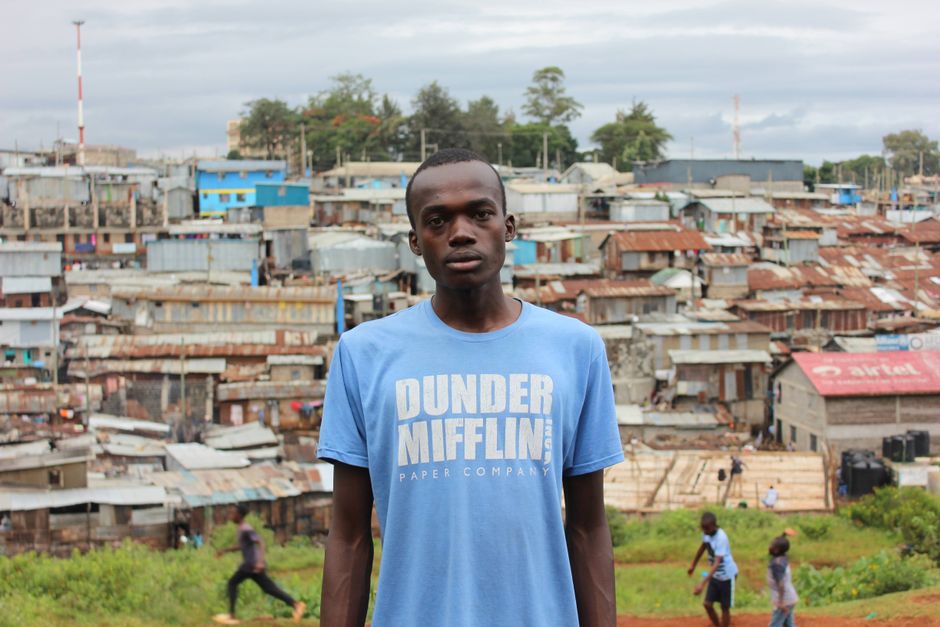
On Wednesday evenings, the dusty pitches around Nairobi's industrial area come alive with the sound of whistles and cheering crowds. At Kariobangi Sports Club, near the railway yards off Enterprise Road, dozens of young adults gather for competitive five-a-side matches that cost just 100 shillings per player. What began three years ago as an informal gathering has evolved into one of the city's most vibrant amateur football circuits, drawing teams from Eastleigh, Kasarani, and beyond.
"We have 34 registered teams now," says the club's grounds manager, speaking from the modest clubhouse where worn trophies line wooden shelves. "Most players work during the day—mechanics, traders, office staff—and this is their outlet." The growth mirrors a broader phenomenon across Nairobi's recreational sports ecosystem, where amateur leagues are becoming more than just weekend entertainment. They're becoming community institutions.
In South B and South C, the Nairobi Metropolitan Netball League has expanded to 16 women's teams, with matches held at Uhuru Park's secondary courts every Saturday morning. Entry fees hover around 500 shillings per team per season, making participation accessible to young women from middle-income households and working professionals. "We've created a space where women can compete, socialise, and build networks outside traditional settings," explains a league coordinator at one of the participating clubs.
The trend extends to volleyball. Clubs operating from Westlands to Kibera have seen membership surge by an estimated 40 percent since 2024, driven partly by youth seeking structured activities and partly by returning professionals rekindling childhood interests. A typical amateur volleyball league match draws 60-100 spectators, with modest gate collections funding pitch maintenance and equipment.
What makes these clubs particularly significant is their role as social glue in a city where rapid urbanisation has fractured traditional community bonds. Parklands United Football Club, operating near the Anglican Church along State House Road, deliberately recruits from mixed socioeconomic backgrounds and hosts post-match community cleanups. Similar initiatives operate at Karura Forest's sporting grounds and around the Nairobi River improvements zone.
The success hasn't gone unnoticed. The Nairobi County Sports Department has begun recognising amateur leagues as legitimate civic institutions, offering small grants for pitch maintenance and equipment. Several clubs report sponsorship from local businesses—small supermarkets, transport operators, and tech startups—eager to build brand loyalty within their neighbourhoods.
For Nairobi's estimated 400,000 recreational sports participants, these clubs represent something increasingly rare: affordable, accessible spaces where strangers become teammates, neighbours become friends, and community becomes tangible once more.
This article was compiled by AI from the sources linked above and screened before publishing. See our editorial standards.