On Saturday mornings, Uhuru Park transforms into an unofficial sports hub. Beyond the manicured lawns and joggers, informal football pitches spring to life as teams from Eastleigh, Pangani, and Kasarani clash in matches that carry the weight of neighbourhood pride. These aren't televised fixtures or sponsored events. They're the lifeblood of Nairobi's recreational sport movement—a grassroots phenomenon that has quietly reshaped how ordinary residents engage with athletics.
The numbers tell a compelling story. According to the Nairobi County Sports Department, membership in registered amateur leagues has grown by 37 percent over the past three years, with an estimated 12,000 active participants across football, volleyball, and basketball leagues. Yet funding remains precarious. Most clubs operate on budgets under Sh150,000 annually, sourced from registration fees (typically Sh5,000-8,000 per player per season) and modest sponsorships from local businesses.
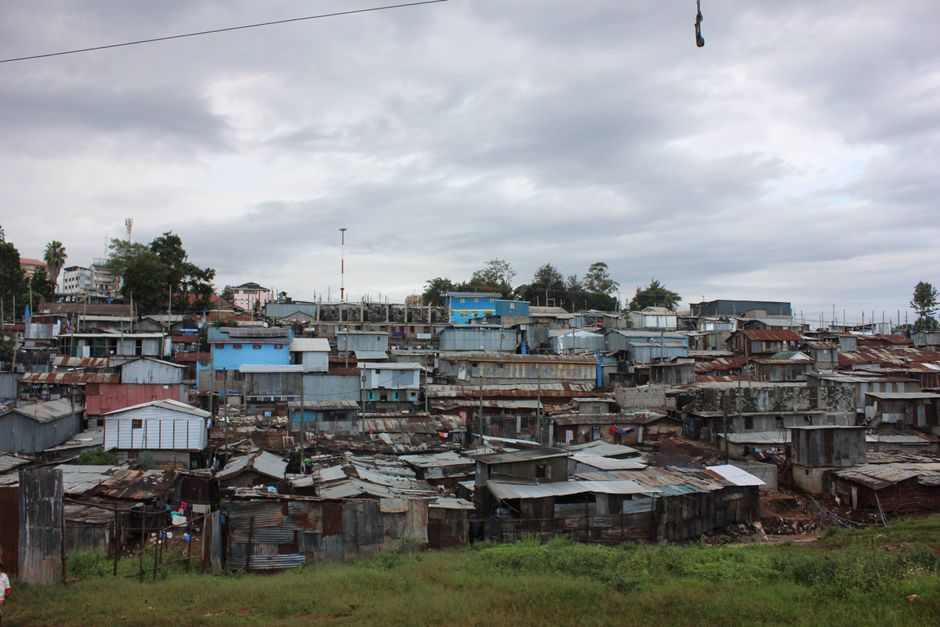
In Kibera and Mathare, community centres have become epicentres of athletic development. The Mathare Youth Sports Association runs five different leagues from a converted warehouse on Juja Road, operating three evenings weekly. Their coordinator estimates they've engaged over 800 youth since 2022, offering structured competition to populations often overlooked by formal sports infrastructure. "We provide discipline, opportunity, and a reason to stay off the streets," one administrator explained during a recent league match.
Westlands has seen a different model flourish. Professional working-class residents—bankers, teachers, healthcare workers—have established the Westlands Corporate Recreational League, which operates across three venues including the expansive grounds near the Safari Park Hotel. Sunday fixtures attract 200-300 spectators, creating a social fabric around sport that transcends competition.
The infrastructure challenges are real. Most amateur clubs rent pitches at Karura Forest Trust grounds or secondary school facilities, paying Sh3,000-6,000 per match. Equipment sponsorships are rare; teams cobble together kits from multiple sources. Yet this constraint has bred innovation. Several leagues now operate cooperative equipment-sharing systems, reducing individual club burdens.
What emerges from Nairobi's grassroots sports landscape is a movement driven by intrinsic motivation rather than commercial incentive. These amateur clubs serve purposes beyond athletics—they're social connectors, youth development platforms, and expressions of neighbourhood identity. As formal sports infrastructure remains concentrated in affluent areas, the recreational leagues filling Nairobi's public spaces represent a democratic alternative: sport belonging to the community, sustained by the community, for the community.
This article was compiled by AI from the sources linked above and screened before publishing. See our editorial standards.