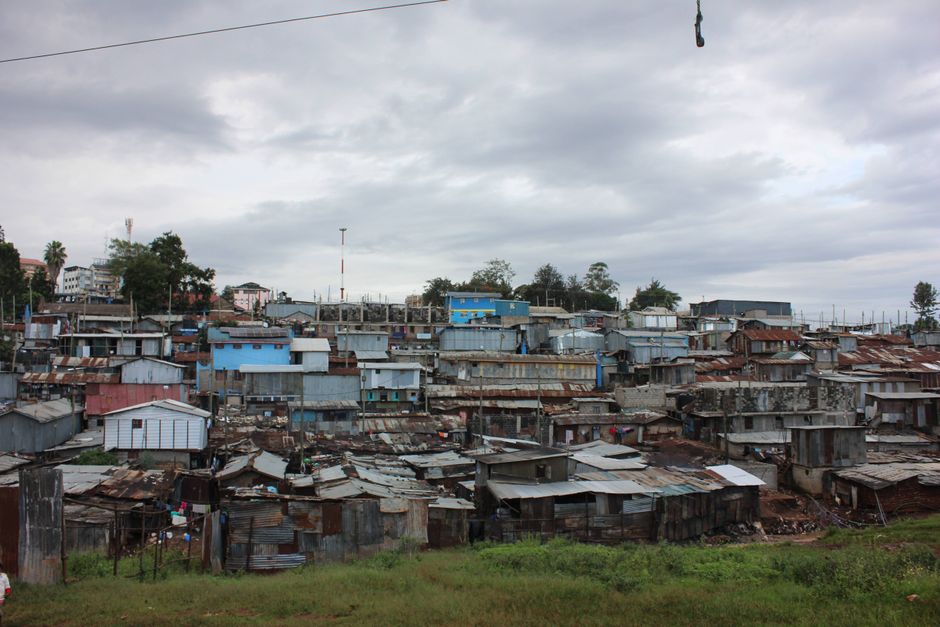
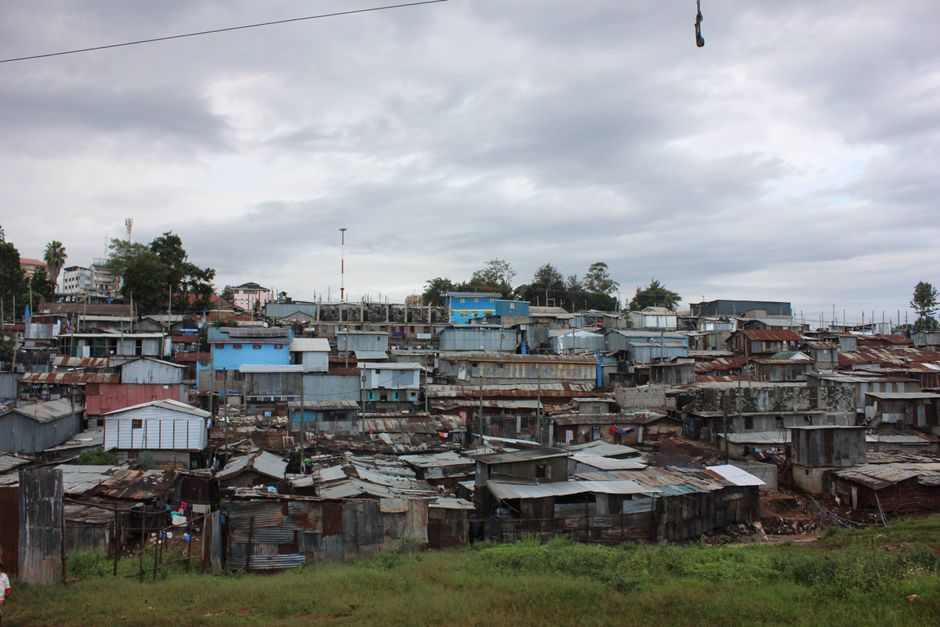
Walk through the dusty pitches of Kibera on any Saturday morning, and you'll witness something that standard league tables never capture: the tangible transformation happening at grassroots level across Nairobi's neighbourhoods. While headlines focus on top-tier clubs, it's the community-driven organisations operating in Mathare, Kawangware, and Eastleigh that are quietly rewriting the city's sporting narrative.
Starehe Boys Centre in Kangemi, traditionally known for academic excellence, has expanded its football programme dramatically over the past three years. Their youth academy now trains over 400 boys aged 8-16, with scholarship opportunities ensuring that economic barriers don't prevent talent from emerging. The investment mirrors a broader trend: local clubs recognising that community engagement isn't peripheral—it's foundational.
"We're seeing clubs invest in facilities that serve dual purposes," explains the sports development landscape around areas like Industrial Area and Imara Daima. Several organisations have converted underutilised grounds into multi-purpose venues offering coaching clinics at Ksh 500-1,000 per term—making professional instruction accessible to families earning modest incomes. This democratisation of football training marks a departure from the city's traditional pay-to-play academy model.
The numbers suggest momentum. Youth participation in community football programmes across Nairobi's 17 constituencies has grown approximately 34% since 2023, according to grassroots coordinators. Clubs operating from Kasarani Stadium's surrounding neighbourhoods report waiting lists of 150+ young players. Meanwhile, women's sections—historically marginalised—are experiencing unprecedented interest, with girls' teams now operational in areas like Embakasi and Dagoretti.
What distinguishes this moment is intentionality around holistic development. Clubs partnering with organisations in South B, Kilimani, and Westlands now offer literacy support, nutrition programmes, and mental health awareness alongside coaching. These aren't ancillary services—they're integrated into membership structures.
The economic ripple effects extend beyond players. Small businesses around training grounds—food vendors, equipment suppliers, transport operators—report increased activity. A vendor near the Nairobi City Stars training facility in Ruai noted 40% higher earnings during the football season.
Yet challenges persist. Pitch availability remains constrained in densely populated areas. Infrastructure maintenance demands consistent funding. Despite these obstacles, Nairobi's football community clubs are demonstrating that the sport's greatest asset isn't the trophy cabinet—it's the capacity to weave social cohesion through the simple act of playing together. In a city often fragmented by geography and economics, that's genuinely transformative.
This article was compiled by AI from the sources linked above and screened before publishing. See our editorial standards.