Grassroots Glory: Nairobi's Youth Clubs Brace for Make-or-Break Regional Finals
As the Kenya Youth Football League enters its decisive stage, neighbourhood academies across the city are banking on summer development to capture silverware.
As the Kenya Youth Football League enters its decisive stage, neighbourhood academies across the city are banking on summer development to capture silverware.
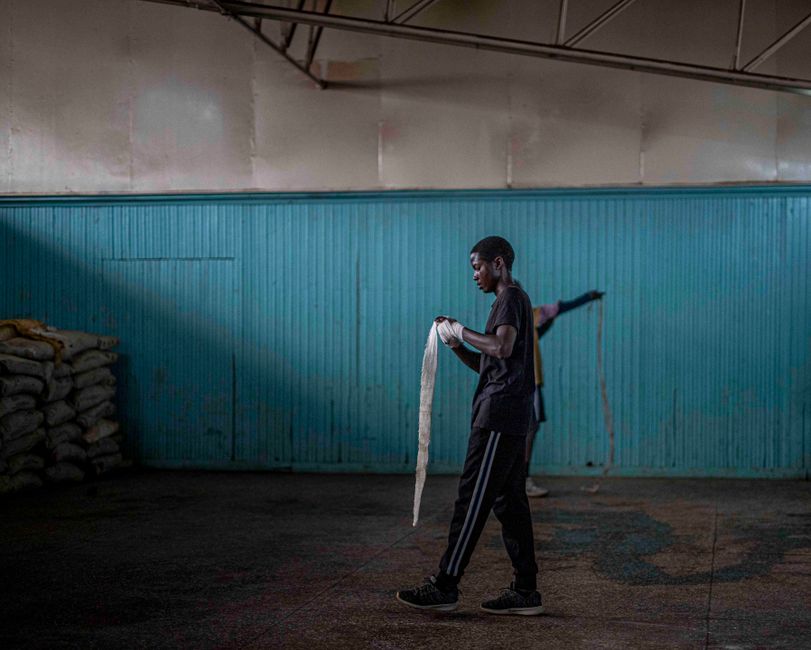
The final whistle on Nairobi's grassroots football calendar arrives in August, and the city's academy networks are in overdrive. With regional qualifying matches set to begin next month, youth development clubs from Kibera to Lavington are investing heavily in pre-finals conditioning—a critical window that often determines which squads lift the coveted Kenya Youth Football League trophy.
Data from the Nairobi Sports Academy Network suggests over 40 registered clubs are competing for slots in the under-16 and under-19 categories this season. Training fees have edged up to between Ksh 2,500 and 4,000 monthly across mid-tier academies, with premium facilities in Westlands and Upper Hill commanding double that. Yet demand remains robust; coaches report waiting lists of 15-20 players per squad.
"The finals are where reputations are made," says one academy director operating near the Nairobi City Stadium, requesting anonymity. "Teams that finish strong in July secure sponsorship deals and university scholarships. Parents know this."
Mathare United's feeder academy, operating from Huruma, has reportedly secured partnership funding to expand their satellite training ground on Jogoo Road. Across town, emerging clubs in Karen and Langata are leveraging the quieter season to poach talent from traditional powerhouses. The competition for young players has become as fierce as the fixtures themselves.
The regional finals structure routes top performers through three geographical brackets—Eastern, Central, and Rift Valley divisions—before national semifinals in Kisumu in late August. Nairobi clubs dominate the Central bracket, but travelling costs and fixture congestion remain persistent challenges for neighbourhood-based academies lacking corporate backing.
Pitch availability in the capital remains constrained. High-demand venues like Nyayo Stadium and Moi Indoor Arena book weeks in advance, forcing many youth teams to train on poorly maintained grounds in Dandora, Kangemi, and Korogocho. Infrastructure disparities create a two-tier system where well-resourced academies gain competitive advantages through better facilities.
Nonetheless, grassroots football continues producing talent pipelines. Several players currently in Kenya's Premier League began their careers in these neighbourhood clubs. That narrative drives investment from parents willing to stretch household budgets for their children's sporting futures.
As June fades, Nairobi's youth football fraternity enters what many call the "business end" of the season. Club directors are finalising squad lists, coaches are scrutinising fitness metrics, and young players are preparing for the matches that could alter their trajectories. The finals await—and no one intends to arrive unprepared.
This article was compiled by AI from the sources linked above and screened before publishing. See our editorial standards.
How does this story make you feel?
Spread the word
About this article
Published by The Daily Nairobi
Daily brief
Free, in your inbox before 7am. Weekdays.
More in Sport