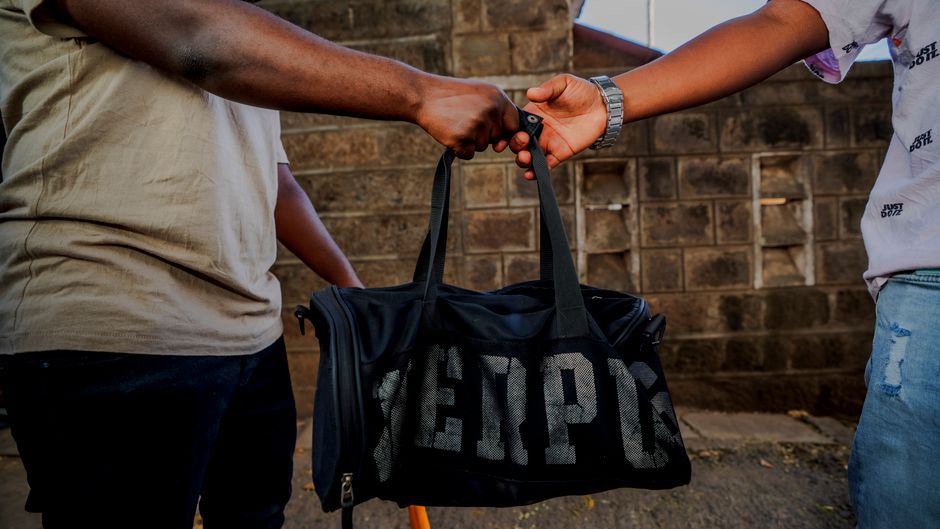
Walk through the dusty pitches of Kibera on a Saturday morning and you'll witness something that escaped headlines but defines modern Nairobi: the explosive growth of grassroots sport clubs that are reshaping how young people in the capital's informal settlements access opportunity and community.
The Nairobi Youth Sports Alliance estimates that over 280 registered grassroots clubs now operate across the city's 17 constituencies, a 67 percent increase since 2022. These aren't glamorous ventures. They're housed in church halls in Eastleigh, makeshift gyms above shops in Ngara, and red-earth football pitches in Korogocho and Mathare. Yet they're thriving.
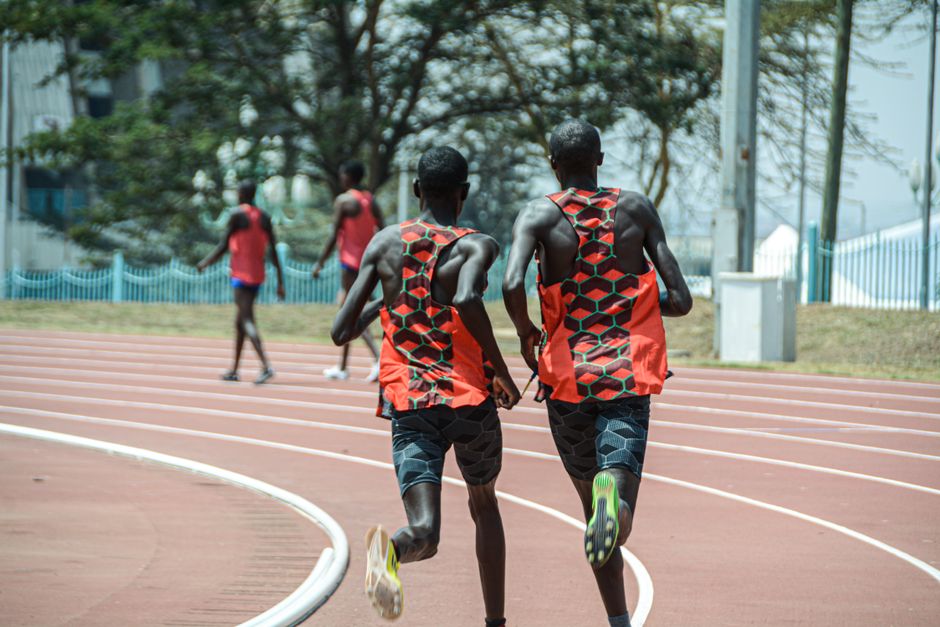
"What changed is simple: parents realised this works," says the management at Dandora Community Runners, one of the city's most active athletics collectives. Registration fees hover between 500 and 1,200 shillings annually, making sport accessible to families across income brackets. The club, based near the Dandora Phase Four grounds, now mentors 147 young distance runners, three of whom qualified for regional championships last year.
Football dominates the grassroots landscape. Clubs operating from venues like the Reuben Centre in Parklands and industrial spaces in Industrial Area have created informal leagues that attract weekend crowds of 300-500 supporters. These clubs generate revenue through membership, sponsorships from local businesses, and small tournament entry fees—typically 8,000 to 15,000 shillings per team. Money flows back into pitch maintenance, coaching salaries, and kit purchases.
The social multiplier effect is pronounced. Kibera-based football clubs report that 73 percent of their members stay in school longer than district averages. Eastleigh's boxing clubs have become safe spaces during evening hours. Volleyball associations in Nairobi South have created pathways where girls from Kayole and Kariobangi can compete and earn visibility with university scouts.
What makes 2026 different is infrastructure. The Nairobi County Government's allocation of 45 million shillings toward grassroots sport facilities—announced in the recent budget cycle—signals institutional recognition. Clubs no longer operate purely on goodwill; they're becoming recognised community anchors.
"These clubs gave me a life," said one Kibera resident, speaking on the condition of anonymity, whose teenage son now trains with a registered athletics academy after joining a local running club three years ago. That story, repeated across hundreds of households, is the real victory. Not international tournaments or celebrity athletes, but the quiet, daily work of coaches and volunteers in Nairobi's neighbourhoods, building community one training session at a time.
This article was compiled by AI from the sources linked above and screened before publishing. See our editorial standards.