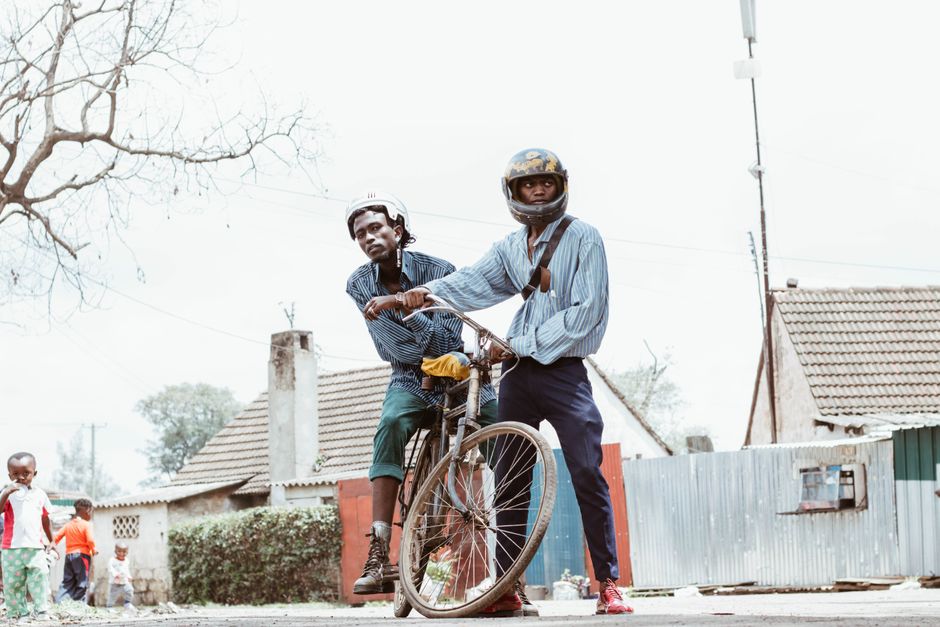
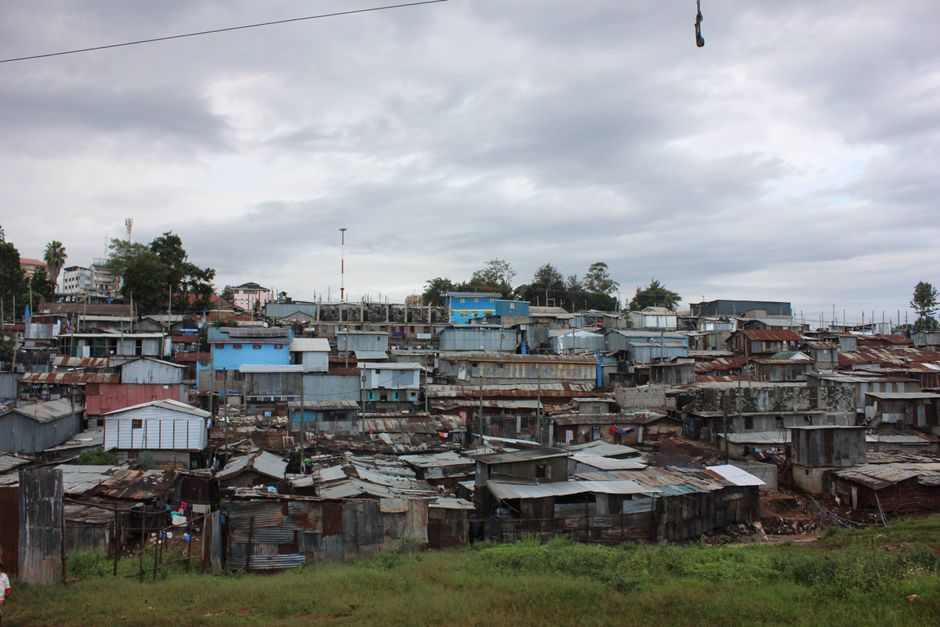
On any given Saturday morning, the industrial landscape around Nyayo Stadium reverberates with the sound of carabiners clipping and climbers calling encouragement to one another. What was once a niche pursuit practised by a privileged few has transformed into one of Nairobi's most dynamic grassroots sports movements—and the story of how it happened reveals far more about community ambition than elite athleticism.
Five years ago, outdoor climbing in Nairobi was largely confined to private gyms charging upwards of 1,500 shillings per session—prohibitively expensive for most residents. Today, community-led initiatives have democratised the sport. Groups operating from venues in South B, Kilimani, and along the Nairobi River corridor now charge between 300-500 shillings for group training sessions, making climbing accessible to students, young professionals, and working-class enthusiasts alike.
The movement's backbone comprises volunteers and semi-professional coaches who emerged from within their own neighbourhoods. These individuals invested personal resources into identifying natural rock formations and abandoned structures suitable for training. The Ngong Hills, long overlooked as a climbing destination despite their geological potential, have become a weekend hub attracting climbers from across the city. Meanwhile, creative activists have transformed derelict spaces in Industrial Area and along Valley Road into informal training grounds, complete with improvised but safety-conscious setups.
Local organisations have played a crucial role in formalising what began as informal gatherings. Groups like those operating from community centres in Nairobi West and Eastleigh have introduced structured coaching, first-aid certification, and equipment-sharing programmes. Membership fees remain deliberately low—typically 1,000-2,000 shillings monthly—to maintain accessibility.
The movement has created unexpected economic opportunities. Equipment vendors in downtown Nairobi and along Accra Road have expanded their inventory to meet growing demand for carabiners, harnesses, and ropes. Young people have found employment as route-setters and safety marshals, earning between 8,000-15,000 shillings monthly through community-based climbing initiatives.
Perhaps most significantly, this grassroots movement has shifted perceptions of extreme sport in Nairobi. Rather than remaining an imported luxury reserved for the elite, climbing has taken root in the city's working neighbourhoods, driven by people who saw potential where others saw obstacles. By choosing community over profit, these pioneers have built something far more durable than any commercial gym: a movement that belongs to Nairobi itself.
This article was compiled by AI from the sources linked above and screened before publishing. See our editorial standards.