For parents in Nairobi seeking to channel their children's energy into structured sport, the city offers a diverse ecosystem of grassroots clubs and academies—but navigating options, costs and entry requirements can feel overwhelming. We've mapped out what you need to know before taking that first step.
Football remains the dominant pathway. The Nairobi Youth Football League, which operates across the city's 17 sub-counties, offers entry points for children aged 6-18. Clubs like Starehe Boys' Centre and Makini School have established academies, but neighbourhood-based alternatives are equally accessible. In Kasarani, several community-run clubs charge registration fees between Ksh 2,000-5,000 annually, with monthly training costs ranging from Ksh 1,500-3,000. Eastleigh, Kibera and Mathare host smaller grassroots operations that often charge less, prioritising participation over profit.
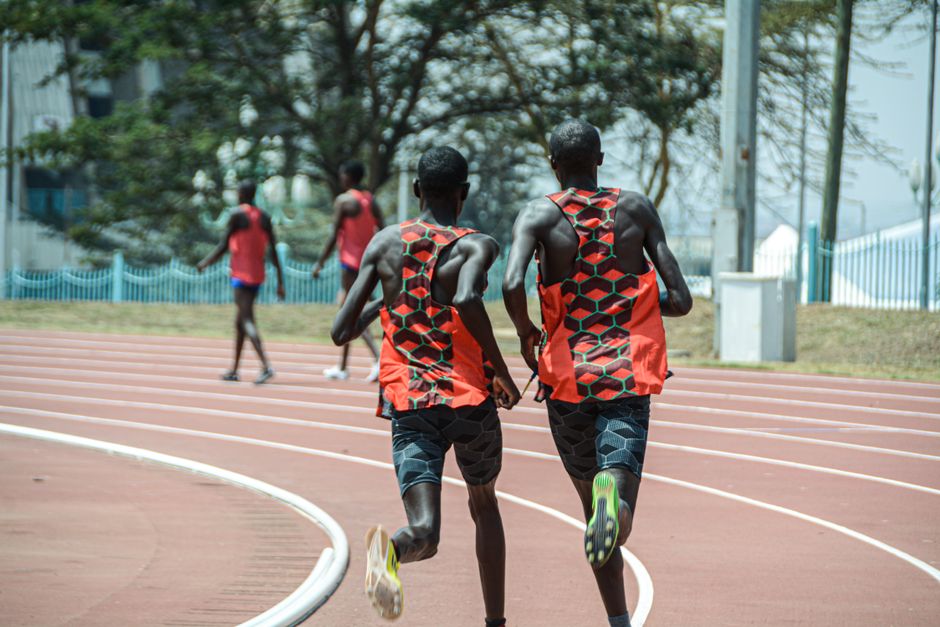
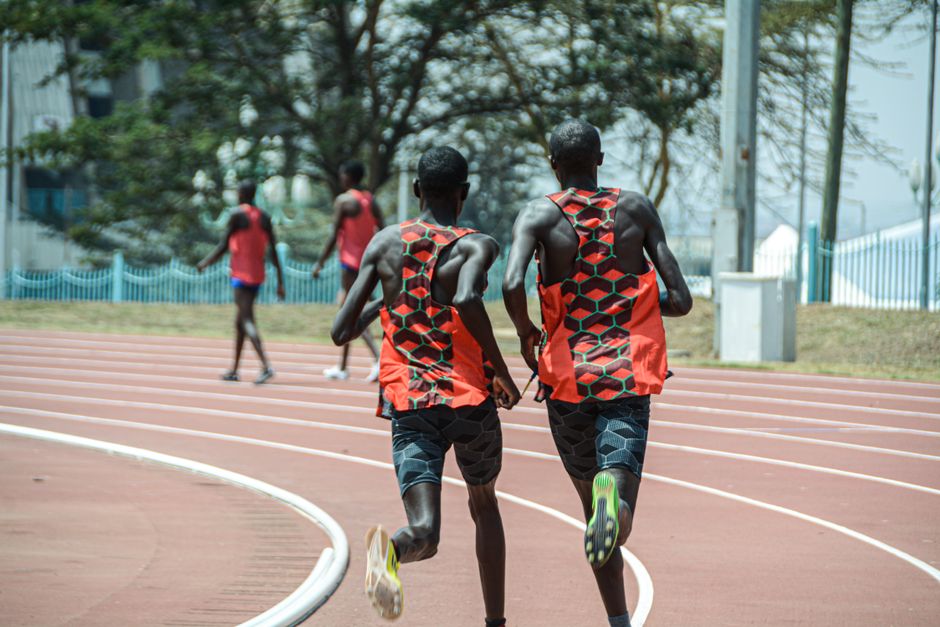
Beyond football, swimming is gaining traction. The Kenya Red Cross Society operates training programmes at their Nairobi headquarters, while private facilities like Nairobi Serena and Safari Park Hotel offer coaching. Monthly fees typically run Ksh 4,000-8,000 for group lessons. Athletics clubs cluster around Nyayo Stadium and the University of Nairobi grounds; entry is often subsidised through school partnerships, with training free or minimal cost.
Basketball has expanded significantly, particularly in Westlands and Upper Hill, where facilities like the Nairobi Gymnastics Club and private courts host youth programmes. Expect monthly fees of Ksh 3,000-6,000. Volleyball, netball and cricket also have established youth structures, though less visible than football.
What you'll need: Most clubs require a birth certificate, school report card and parental consent form. Medical clearance is increasingly standard—a basic fitness assessment costs Ksh 500-1,000 at private clinics. Protective gear and uniforms vary by sport but typically cost Ksh 3,000-10,000 upfront.
Location matters. Families in Kileleshwa, Kilimani and Nairobi's affluent areas have more formalised, fee-charging academies with structured curricula. Lower-income neighbourhoods like Korogocho and Dandora rely on community initiatives and donor-backed programmes, often free or nearly so.
Before enrolling, visit training sessions, speak with coaches and other parents, and confirm whether the club offers injury insurance or has qualified first-aiders present. Many excellent grassroots programmes operate informally—your local youth centre or county sports office (based at City Hall Way) can point you toward options in your ward.
Start conversations with your child's school—most partner with local clubs and can facilitate introductions. The investment in grassroots sport pays dividends beyond trophies: discipline, teamwork and physical health.
This article was compiled by AI from the sources linked above and screened before publishing. See our editorial standards.