Cracked Courts and Broken Dreams: How Nairobi's Ageing Sports Facilities Are Blocking Youth Talent
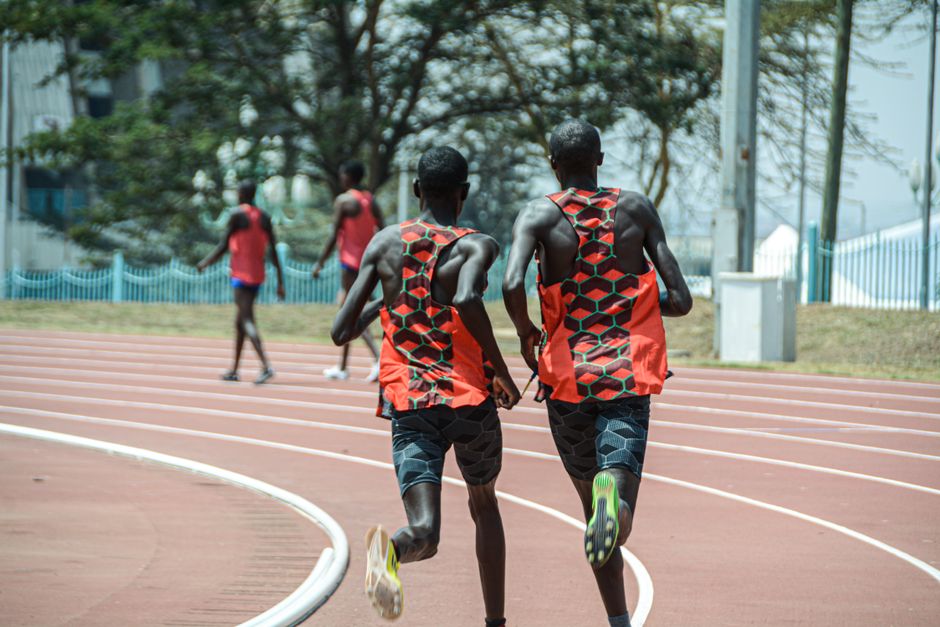
As Kenya's young athletes compete globally, the capital's deteriorating infrastructure tells a starkly different story about grassroots investment.
As Kenya's young athletes compete globally, the capital's deteriorating infrastructure tells a starkly different story about grassroots investment.
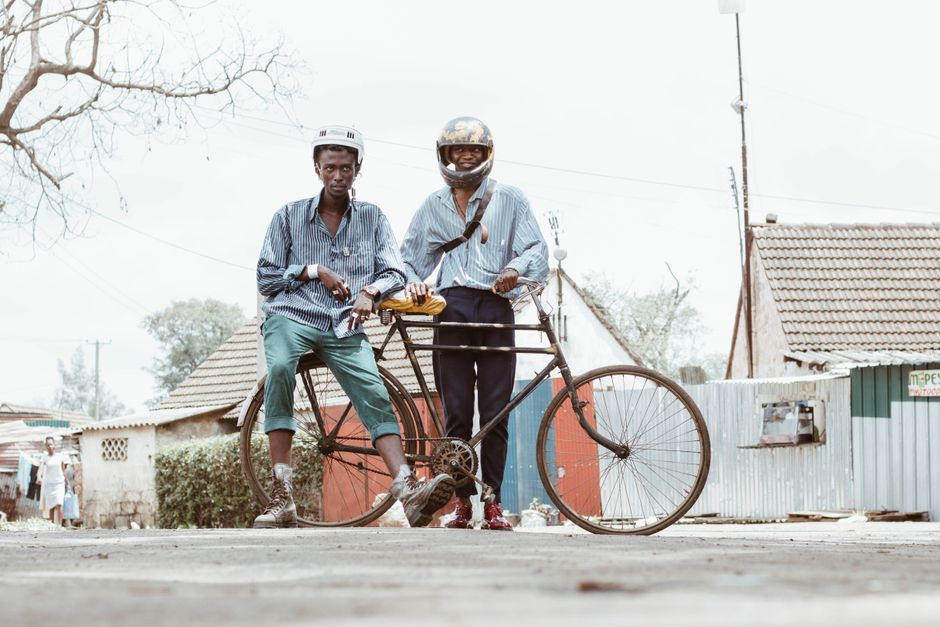
Walk past the public courts in Uhuru Park on any Saturday morning and you'll see them: dozens of teenagers shooting hoops on surfaces so cracked they resemble a topographic map of the Great Rift Valley. It's a scene replicated across Nairobi's neighbourhoods, where ambitious young athletes train on facilities that haven't seen meaningful renovation in over a decade.
The infrastructure gap afflicting youth sport in Kenya's capital is no longer whispered concern—it's a structural crisis. At City Park in Westlands, the tennis courts that once hosted regional tournaments now stand partially fenced off, their clay surfaces eroded beyond playable condition. Meanwhile, facilities at the Nairobi Gymkhana remain accessible primarily to members who can afford annual fees exceeding Sh150,000, pricing out the very grassroots talent the nation claims to nurture.
The situation is particularly acute in informal settlements and outer estates. Kayole Sports Complex, which serves an estimated 50,000 residents across surrounding areas, operates with minimal funding and equipment donated piecemeal by NGOs. Yet it remains one of the few dedicated venues in that corridor. In Dandora, Eastleigh, and Mathare, young footballers train on potholed pitches where injury risk rivals their chance of discovery by scouts.
Private clubs like Kenya Motorsports Club and the various athletics clubs clustered around Wilson Airport represent the other end of the spectrum—well-maintained grounds with coaching staff, but accessible only to families with disposable income. This two-tier system virtually guarantees that talent development follows wealth rather than potential.
County government initiatives have attempted to address the gap. Nairobi's recent allocation of funds toward rehabilitating three community sports grounds in Embakasi, Kamukunji, and Dagoretti offers modest hope. Yet experts argue that sustainable change requires integrated planning: not just court resurfacing, but lighting systems for evening training, changing facilities, and year-round maintenance budgets.
International comparisons sting. Kampala's Lugogo Stadium and comparable facilities across the region receive consistent municipal support. Nairobi's flagship sports venues—Nyayo Stadium, the Moi International Sports Centre—command attention and resources that rarely trickle down to neighbourhood level where mass participation happens.
Kenya has produced world-class athletes despite, not because of, its grassroots infrastructure. Imagine what systematic investment in facilities could unlock. Until Nairobi's youth have access to properly maintained courts, pitches, and training grounds as standard rather than exception, the nation leaves considerable potential developing elsewhere.
This article was compiled by AI from the sources linked above and screened before publishing. See our editorial standards.
How does this story make you feel?
Spread the word
About this article
Published by The Daily Nairobi
Daily brief
Free, in your inbox before 7am. Weekdays.
More in Sport