Racing Against Time: Can Nairobi's Aging Sports Infrastructure Keep Up With Its Endurance Athletes?
As running, cycling and triathlon surge in popularity among Kenya's urban elite, facilities and venues struggle to meet demand.
As running, cycling and triathlon surge in popularity among Kenya's urban elite, facilities and venues struggle to meet demand.
Nairobi's reputation as a distance-running powerhouse is global, yet the city's infrastructure for endurance sports tells a more complicated story. While elite Kenyan runners dominate international marathons, the facilities supporting grassroots cyclists, triathletes and weekend warriors remain scattered, underfunded and increasingly overwhelmed.
The Nairobi Running Track at Nyayo Stadium in Milimani has long served as the primary venue for formal athletics training, but ageing surfaces and limited lane access mean most serious runners rely on informal routes through Karura Forest and the Kenya National Library grounds along Mombasa Road. For cyclists, the situation is more precarious. There are no dedicated cycle lanes on major thoroughfares like Waiyaki Way or Southern Bypass—forcing riders to negotiate traffic alongside matatus and heavy vehicles. The nascent Nairobi Cycling Community estimates that fewer than 3km of proper cycling infrastructure exists across the entire metropolitan area.
Triathlon, meanwhile, remains concentrated in affluent enclaves. Facilities like the Safari Park Hotel and Hilton Nairobi offer pools and grounds for training camps, but entry fees starting at KES 2,500 per session price out most recreational athletes. The Athi River, potentially ideal for open-water training, lacks formal safety infrastructure and water quality monitoring.
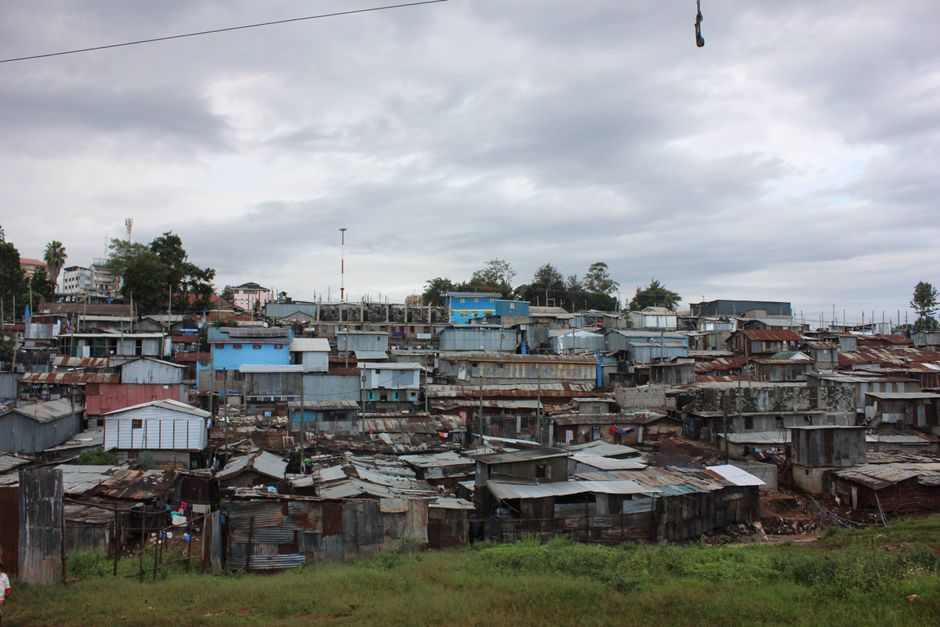
Several initiatives show promise. The Nairobi City County's incomplete master plan includes provisions for a 10km cycling superhighway connecting Westlands to the CBD, though construction timelines remain vague. Meanwhile, grassroots organisations like Nairobi Cycling Initiative and local running clubs have begun advocating for better lighting and safety measures on popular training routes through Kibera and Upper Hill.
Private gym chains such as Fitness First and Equinox have capitalised on demand, offering triathlon training packages and indoor cycling studios, but accessibility remains a challenge for middle-income athletes. A month's membership typically costs KES 4,000 to KES 8,000—significant for many Nairobi residents.
The disconnect is stark: Kenya produces world-class distance runners and cyclists, yet most train on substandard tracks or unregulated public spaces. Until the county government prioritises dedicated cycling lanes, improved track facilities, and accessible open-water venues, Nairobi risks losing talented athletes to poorly maintained infrastructure or migration to better-equipped cities. For now, determination matters more than facilities—but that equation cannot hold forever.
This article was compiled by AI from the sources linked above and screened before publishing. See our editorial standards.
How does this story make you feel?
Spread the word
About this article
Published by The Daily Nairobi
Daily brief
Free, in your inbox before 7am. Weekdays.
More in Sport