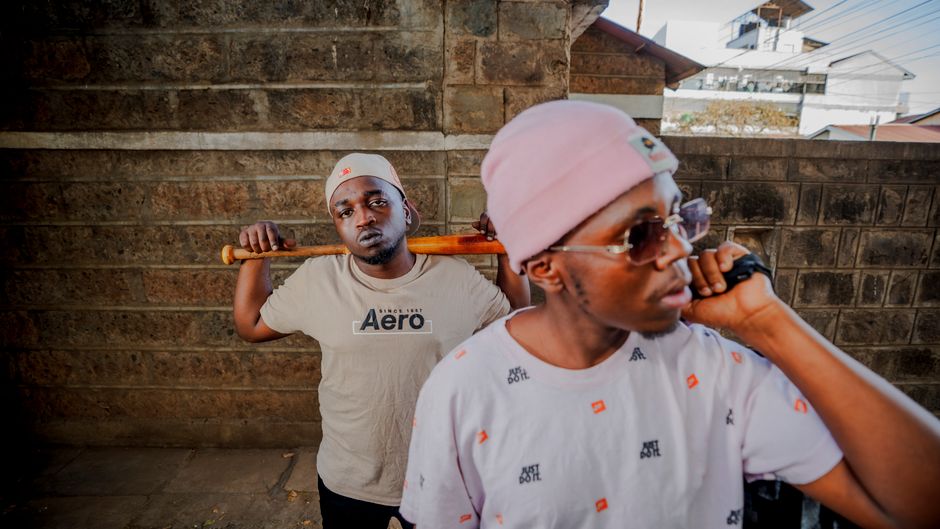
Walk through the dusty grounds of Mathare United's informal training facility near Juja Road, and you'll witness something the gleaming Kasarani Stadium rarely showcases: the engine driving Nairobi's sporting culture. Here, amid recycled tyres marking drill zones and goals fashioned from PVC pipes, young footballers aged eight to eighteen train twice weekly under volunteer coaches who learned the game on these same pitches decades ago.
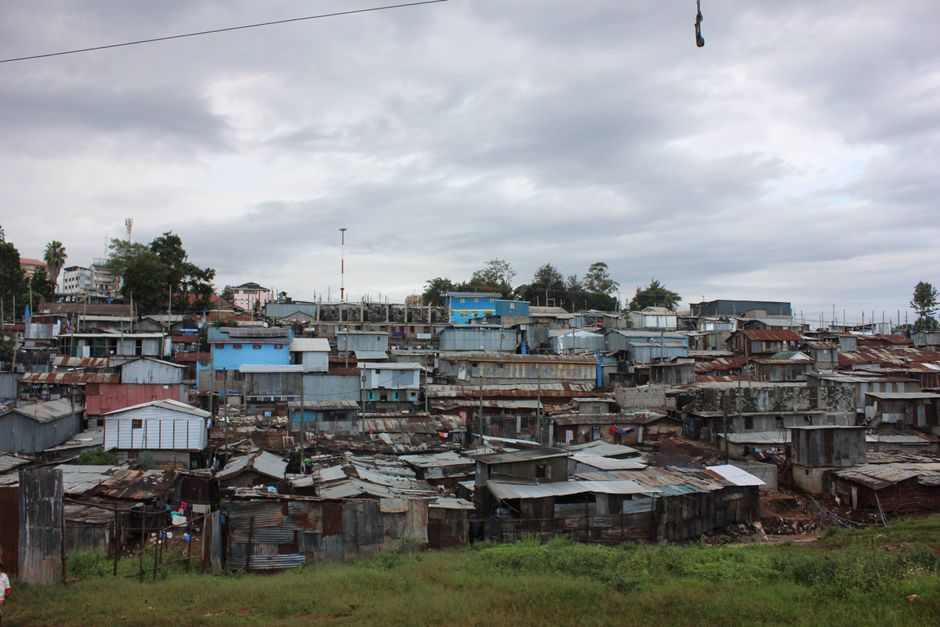
This is the grassroots story that merits attention as major venues like Nyayo Stadium and the newly refurbished Nairobi City Stadium dominate municipal budgets. Community sports organisations operating across Kibera, Mathare, Eastleigh, and Dandora have become the city's true sporting backbone, registering over 47,000 active youth participants annually according to the Nairobi Sports Alliance's 2025 survey—a figure that dwarfs professional league attendance figures.
"We receive zero government funding," explains the coordinator of Kibera Youth Empowerment, which operates five neighbourhood basketball courts and a volleyball programme. "Our budget comes from member contributions of 200 shillings monthly and occasional NGO partnerships." Remarkably, this organisation has funnelled twelve players into university sports scholarships over three years.
The infrastructure challenge remains acute. Most community venues operate without basic amenities—changing rooms, lighting, or adequate drainage. During Nairobi's rainy seasons, estates like Korogocho see their pitches transform into marshland. Yet organisations persist, adapting venues creatively. Eastleigh's Somali Youth Sports Initiative uses the defunct industrial yard off First Avenue as a multi-sport complex, hosting netball, volleyball, and athletics training.
What distinguishes these grassroots movements is their integration with social services. Many community sports programmes bundle athletic training with life skills workshops, mental health support, and educational mentorship. Nairobi's street children initiatives have documented remarkable rehabilitation outcomes when sports participation is included in intervention packages.
The disconnect between investment and need is striking. Kasarani Stadium hosts occasional international fixtures and sits underutilised between events, while thousands of youth compete for space on deteriorating neighbourhood grounds. A 2024 audit revealed that maintenance budgets for elite venues exceed grassroots investment by a ratio of 8:1.
Yet momentum is building. Several estates have secured small-scale grants to upgrade community facilities. Mathare's latest initiative, supported by diaspora fundraising, installed basic floodlighting on one pitch—a development met with euphoria by the neighbourhood's young athletes.
As Nairobi positions itself for potential future hosting of major sporting events, the city's governing bodies would be wise to observe where its sporting soul truly resides: not in the grand stadiums, but in the improvised spaces where determination transcends circumstance.
This article was compiled by AI from the sources linked above and screened before publishing. See our editorial standards.