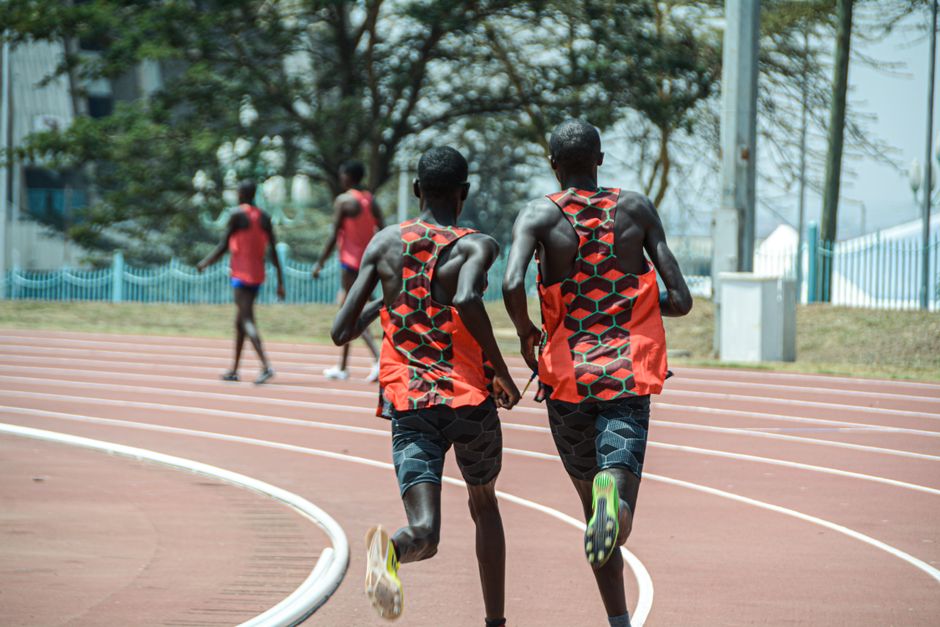
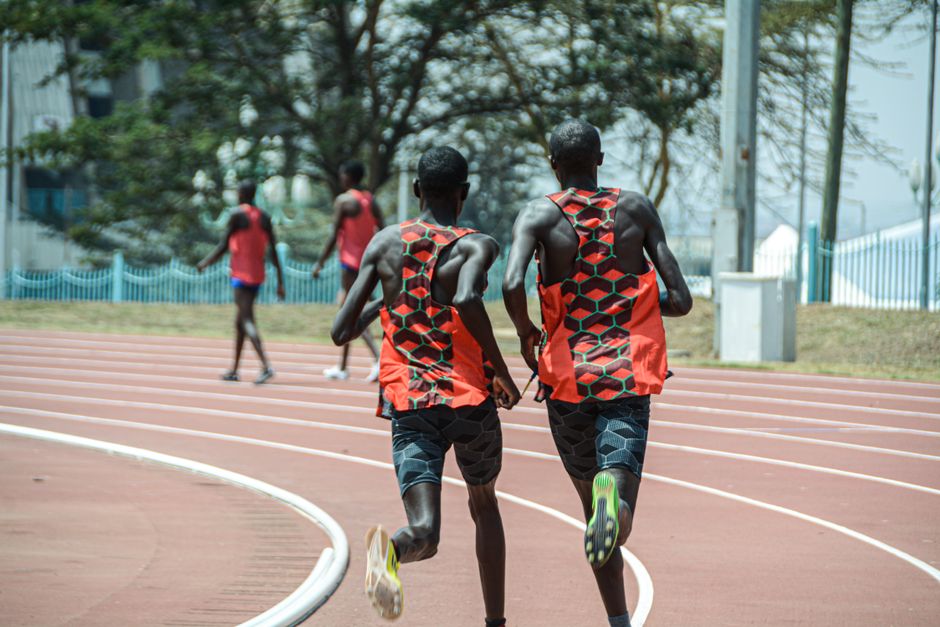
For decades, Kenya's running supremacy rested on a solitary foundation: the exceptional individual athlete. But a quiet revolution is underway in the training grounds around the Ngong Hills and westward toward the Rift Valley, where a collective approach to endurance sport is rewriting the rulebook.
The Ngong Hills Endurance Collective, formally established in late 2024 but operating informally for several years prior, has emerged as one of East Africa's most compelling athletic experiments. The team comprises 23 runners, cyclists, and triathletes—ranging from age-group competitors to seasoned marathoners—who share coaching resources, nutrition planning, and most crucially, the psychological scaffolding of collective training.
Recent performances validate the model's efficacy. In the past eight months, Collective members have set five domestic records across half-marathon and 10-kilometre distances. More significantly, three team athletes qualified for the World Triathlon Series championships scheduled for August—a feat that would have seemed improbable for a demographically mixed group training out of modest facilities near Karen and Langata.
"The traditional approach assumed that isolation bred excellence," explains one coach affiliated with the group, speaking on the condition of anonymity due to contractual obligations with rival sports management entities. "What we've discovered is that shared data, collective recovery protocols, and mutual accountability produce measurable improvements across multiple athletes simultaneously."
The economics tell their own story. Individual elite endurance athletes in Nairobi typically invest between 180,000 and 350,000 Kenyan shillings monthly in coaching, physiotherapy, and nutrition. The Collective model distributes these costs across membership, reducing individual burden while maintaining professional standards. Monthly membership costs approximately 15,000 shillings—a fraction of traditional private coaching fees.
Training routes anchor the enterprise: dawn sessions traverse the Ngong Hills loop; mid-week tempo work utilizes the relatively traffic-free stretches along the Langata Road corridor; weekend long runs extend toward the Rift Valley escarpment via the Mai Mahiu route.
Yet expansion brings complications. Current facilities—a rented warehouse space near Wilson Airport converted into a recovery center—are approaching capacity. Plans for a dedicated training facility with hydrotherapy and biomechanical analysis capabilities are in early fundraising stages, with target costs exceeding 8 million shillings.
As East African endurance sport increasingly professionalizes, this Nairobi-based collective represents a compelling alternative to both the traditional solitary-athlete model and the corporatized structures dominating European and North American training. Whether this collaborative ethos scales nationally remains the unanswered question.
This article was compiled by AI from the sources linked above and screened before publishing. See our editorial standards.