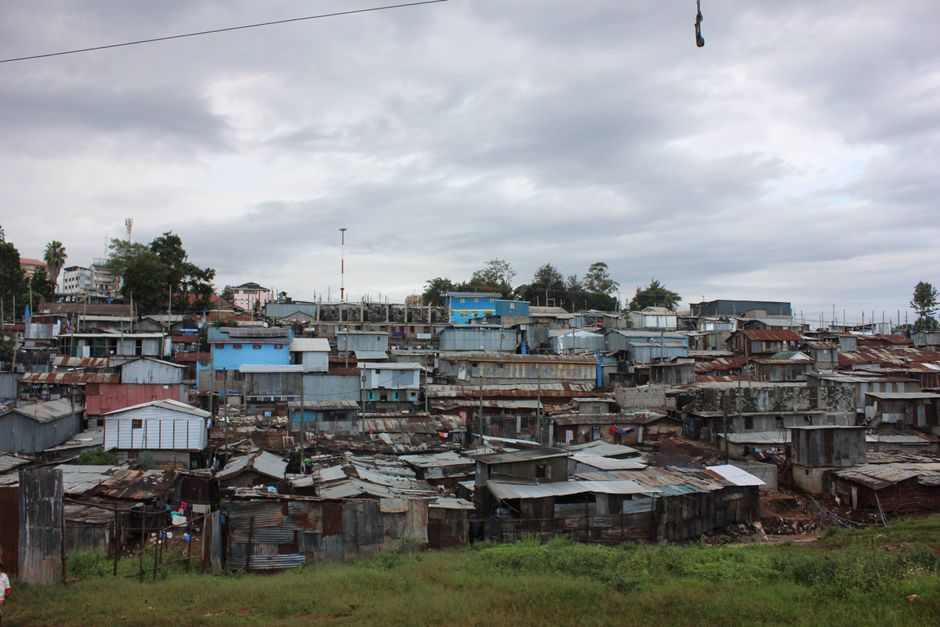
In the shadow of Nairobi's gleaming office towers and sprawling shopping centres, a quieter revolution is unfolding in the city's youth sport landscape. Recent participation data from grassroots athletics clubs across Nairobi tells a story far more nuanced than simple growth figures—it reveals a fitness culture increasingly fragmented by geography, income, and access.
According to tracking by the Nairobi Youth Sports Alliance, membership in informal community clubs across Kibera, Mathare, and Eastleigh has grown by 34% over the past two years, driven largely by free or low-cost programmes. Yet in the same period, premium-tier clubs in Kilimani, Westlands, and around the Upper Hill corridor have seen even steeper growth—57%—with monthly fees ranging from 2,500 to 8,000 shillings. The divergence matters.
"We're seeing two Nairobis," observes data from community health initiatives operating in informal settlements. Young people in densely populated zones are gravitating toward football, running collectives, and informal boxing gyms—activities requiring minimal infrastructure. The Karura Forest has become an unofficial hub for morning running groups, with participation among teenagers doubling since 2024. Meanwhile, organised volleyball leagues, swimming clubs, and CrossFit-style facilities cluster predominantly in central business and affluent residential zones.
What the numbers expose is a fitness culture shaped less by preference than circumstance. A teenager in Kibera faces a 40-minute matatu commute to reach the nearest municipal sports facility; a peer in Westlands has three gyms within walking distance. This isn't merely inconvenient—it's consequential. Participation data shows retention rates at grassroots informal clubs hover around 18 months before dropout, whereas membership at structured, accessible facilities exceeds three years.
Cost remains the primary barrier across the city. While free community programmes flourish—neighbourhood football pitches, school-based athletics tracks—they struggle with consistency. Weather, maintenance, and competing demands on public space create unpredictable participation. Club-based models, conversely, guarantee facilities but exclude those unable to afford entry fees.
The implications for Nairobi's sporting infrastructure are significant. If current trends persist, youth athletic development will increasingly stratify, with elite talent concentrated among those with resources to access structured coaching and consistent facilities. The city risks losing grassroots talent simply because young athletes from underserved zones cannot reach the pipeline.
Policymakers watching these numbers would be wise to act. Expanding subsidised club access, securing dedicated public spaces for informal sport, and investing in community-level coaching could reshape this trajectory. Nairobi's future champions shouldn't depend on their postal code.
This article was compiled by AI from the sources linked above and screened before publishing. See our editorial standards.