The numbers are striking. When the Nairobi Marathon returned to full capacity in 2025, organisers registered 8,400 finishers—a 34% jump from 2023 figures. The Safaricom Marathon, which attracts participants across Kenya's endurance community, now sees peak registration at 12,000 runners annually. But what these datasets reveal extends far beyond medal tallies and finish times: they map the contours of a fitness culture undergoing rapid transformation in East Africa's largest metropolis.
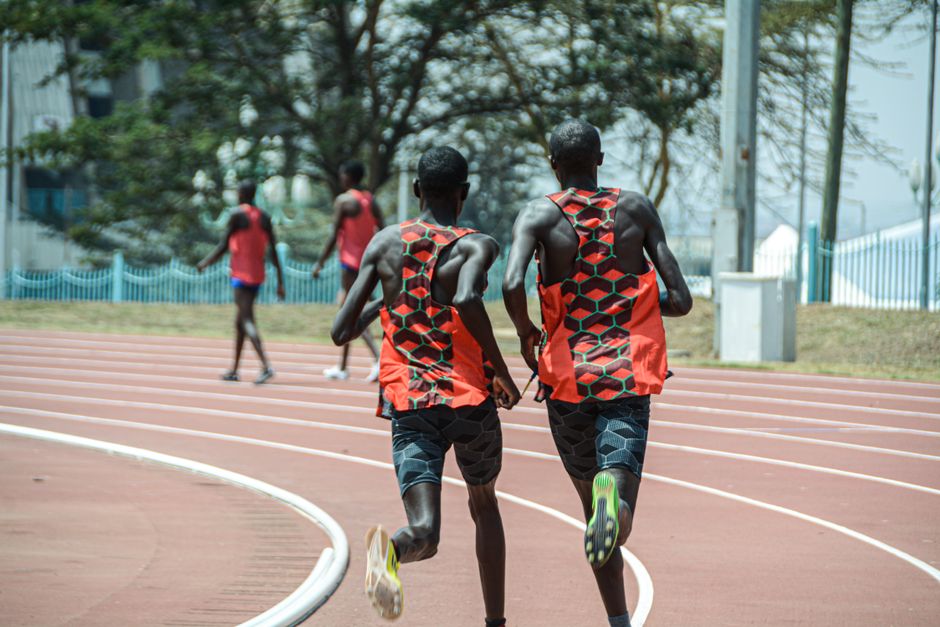
Early morning runs through Nairobi's leafy suburbs—Upper Hill, Westlands, and along the Karura Forest perimeter—have become cultural markers. The proliferation of running clubs affiliated with gyms in Kilimani and South C, coupled with independent collectives organising weekly parkruns in various locations, suggests participation is democratising. A 2024 survey by the East African Endurance Sports Association found that 67% of regular runners in Nairobi trained in informal groups rather than commercial clubs, indicating grassroots momentum.
The cycling segment tells a complementary story. The Safaricom Cycling Series, which routes through Nairobi's expanding network of users—from Ngong Road to the emerging trails near the Kikuyu escarpment—attracted 2,800 registered cyclists in 2025, up from 1,400 two years prior. Entry fees ranging from Ksh 1,500 to Ksh 3,500 reflect a growing willingness among upper-middle and emerging middle-class participants to invest in structured competition.
Triathlon participation, though smaller in absolute numbers, shows the steepest growth trajectory. The Nairobi Triathlon Series now hosts events at venues like Nairobi Dam and within the Karen conservancy precincts, with 340 participants in 2025—nearly double the 2023 figure. This niche category attracts professionals and entrepreneurs, suggesting endurance sports are becoming embedded within aspirational lifestyles.
What unites these datasets is a common demographic: Nairobi residents aged 28–50, household incomes exceeding Ksh 250,000 monthly, with access to stable employment and disposable income for sports gear, entry fees, and coaching. The trend reveals less about elite athleticism and more about how urban wellness has become a marker of middle-class identity.
Infrastructure development matters too. Improved road safety initiatives, emerging cycling lanes, and expanded park access have lowered participation barriers. Local businesses capitalising on this shift—from speciality running stores in Westlands to nutrition shops in Upper Hill—confirm the trend's commercial viability.
As Nairobi continues urbanising, endurance sports participation data suggests the city's fitness culture is maturing beyond gym membership toward community-driven, structured athletic pursuits. The question now is whether infrastructure and inclusive pricing can sustain this momentum across broader socioeconomic strata.
This article was compiled by AI from the sources linked above and screened before publishing. See our editorial standards.