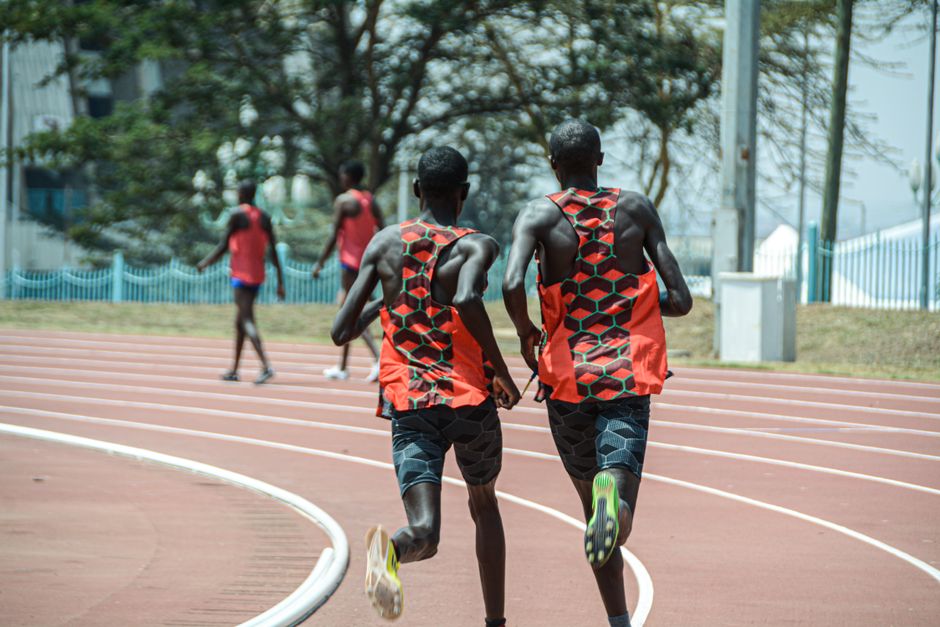
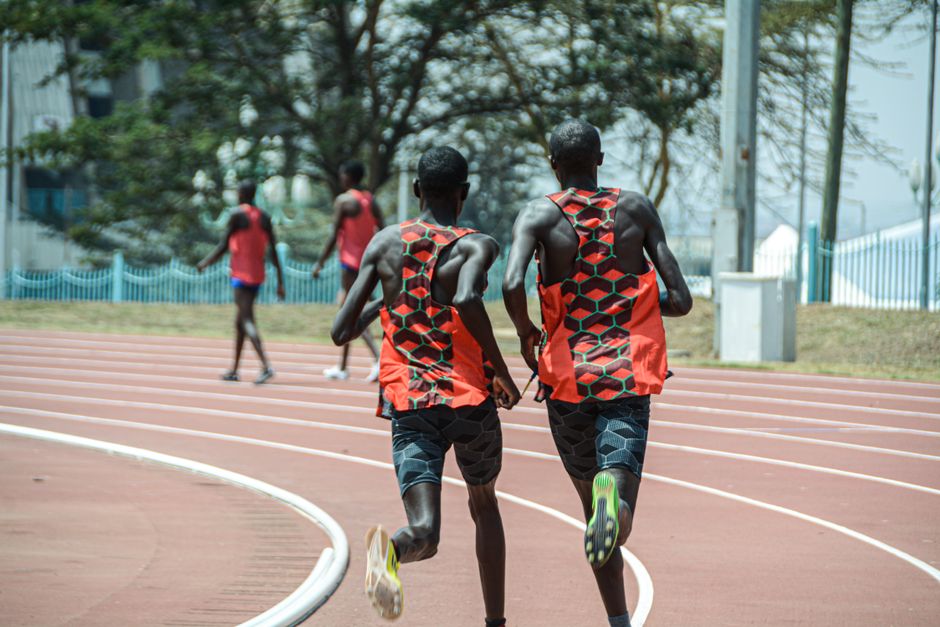
Walk past the Nairobi Gymkhana on Forest Road any Saturday morning and you'll witness the curious paradox of Nairobi's amateur sports scene: passion thriving despite crumbling facilities. While Kenya's elite athletes train at world-class venues, thousands of recreational players navigate a landscape of deteriorating courts, inadequate lighting, and inconsistent maintenance that would deter most cities.
The scale of the infrastructure challenge is significant. According to a 2024 survey by the Nairobi County Sports and Culture department, approximately 340 registered amateur clubs across the city operate from fewer than 80 dedicated venues—a ratio that forces leagues to share courts and fields during impossible schedules. Many clubs rent municipal pitches at Moi Avenue Sports Complex or Ngong Road Forest Sanctuary at rates between KES 2,500 to KES 5,000 per hour, straining budgets for teams operating on membership fees alone.
The Eastleigh Basketball League, which fields twelve teams, has spent the last three years rotating between three venues: a cracked outdoor court near First Avenue, the partially roofed facility at Kayole Sports Centre, and increasingly, the Mathare United grounds during off-season hours. "We're constantly negotiating access," explains one league coordinator. "What should be a straightforward scheduling problem becomes an infrastructure crisis."
Football clubs face similar struggles. The Nairobi Amateur Football League, running divisions across eight neighbourhoods, depends heavily on the aging Ngong Road facility and informal arrangements with schools in Karen, Lavington, and Westlands. The Huruma Community Football Club recently invested their own funds—roughly KES 180,000—to resurface their small pitch on Juja Road after the county neglected repairs for two years.
Yet infrastructure gaps haven't killed the spirit. Volleyball clubs continue operating from Kenyatta National Hospital courts despite unreliable access. Tennis enthusiasts crowd the remaining well-maintained facilities at Muthaiga Country Club and the University of Nairobi, with public courts at Parklands and Kilimani deteriorating faster than they're repaired.
County officials acknowledge the backlog. The Nairobi County integrated development plan identifies sports facility rehabilitation as a priority, with proposed renovations at twelve venues through 2027. But amateur clubs can't wait years. Many have begun small-scale improvements independently—installing floodlights, repainting lines, securing nets—essentially subsidizing public infrastructure.
The real question facing Nairobi's recreational sports community isn't whether talent exists. It's whether the city's aging venues can continue supporting the thousands who depend on them.
This article was compiled by AI from the sources linked above and screened before publishing. See our editorial standards.