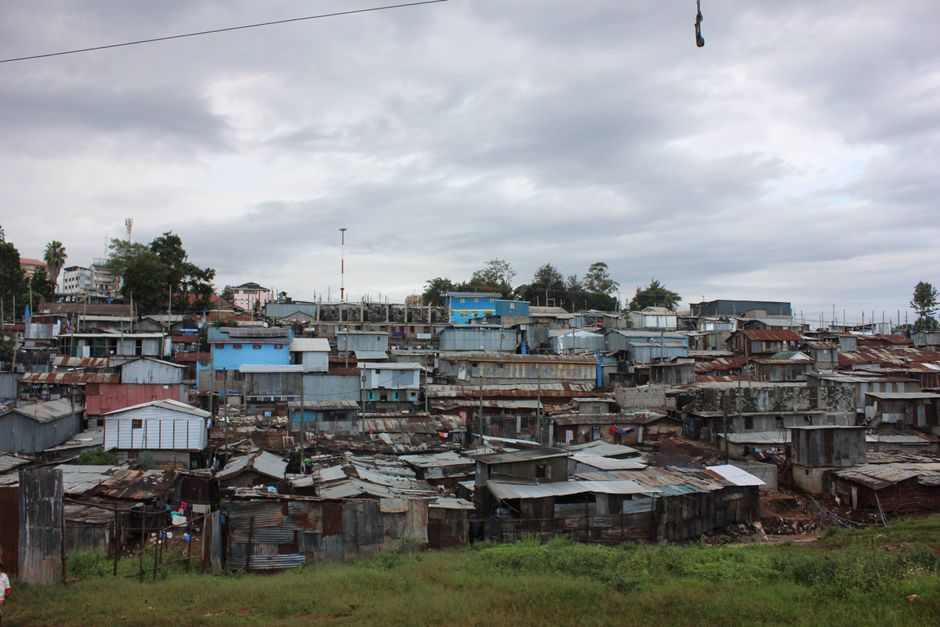
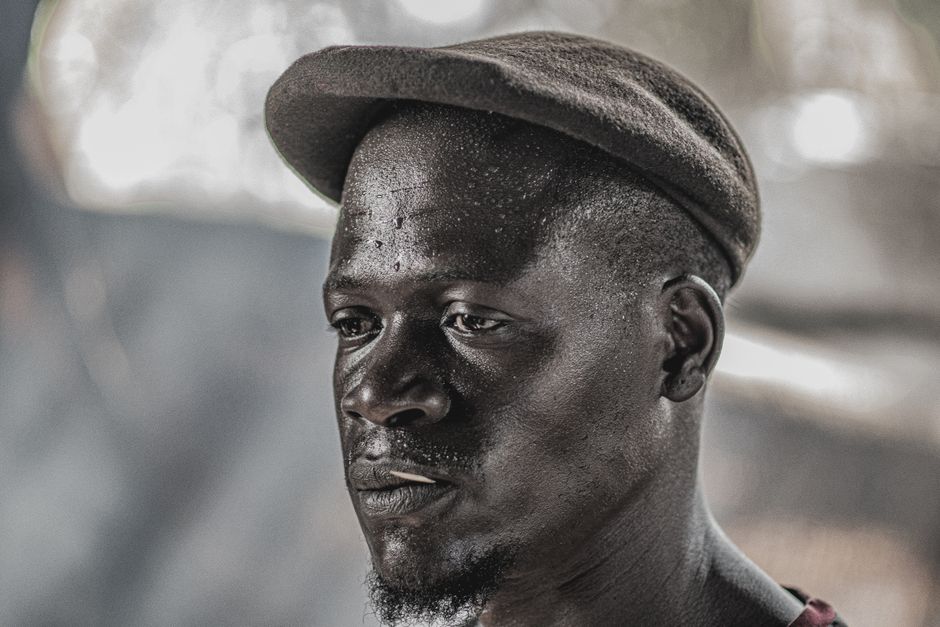
On Saturday mornings, the swimming lanes at the University of Nairobi's sports complex in Kikuyu buzz with an unlikely sight: groups of teenagers from Mathare and Korogocho learning competitive strokes from volunteer coaches who grew up in the same neighbourhoods. What started three years ago as an informal training ground has evolved into one of the most significant grassroots water sports movements the capital has seen.
The statistics are stark. According to a 2024 survey by the Kenya Swimming Federation, fewer than 15 per cent of Nairobi's youth have formal swimming training, with participation concentrated among affluent communities in Kilimani, Westlands, and Upper Hill. For working-class families across Eastleigh, Pumwani, and South B, swimming pools remain distant luxuries, club memberships costing upwards of 8,000 shillings monthly—more than weekly household budgets.
"We identified that gap," explains Timothy Kariuki, founder of Nairobi Aquatic Dreams, a non-profit registered in 2023. "The question wasn't whether kids wanted to swim. It was whether they had access." His organisation now operates at five sites across the city, from the refurbished Nyayo Stadium facilities to partnership pools at Nairobi School and the Kenya Red Cross Society headquarters on Limuru Road.
What makes this movement distinctive is its deliberate focus on developing local talent rather than importing external expertise. Young swimmers who progressed through community programmes now mentor newcomers, creating a sustainable pipeline. Last year, three swimmers trained entirely through grassroots initiatives qualified for national junior championships—a milestone that would have seemed impossible five years ago.
Funding remains precarious. Monthly operational costs of 400,000 shillings are covered through crowdfunding, modest corporate sponsorships, and government grants that arrive unpredictably. Yet the movement has attracted attention from established bodies. Kenya's National Olympic Committee recently pledged support for talent identification, recognizing water sports as an underdeveloped yet promising avenue for Olympic representation.
The ripple effects extend beyond competition. Water safety training has reached over 2,000 children in informal settlements near the Nairobi River and dam areas—critical work given Kenya's troubling drowning statistics. Community swimming clubs have also become social anchors, offering structure and mentorship to youth who might otherwise lack opportunities.
As Nairobi positions itself as East Africa's sporting capital, these grassroots water sports pioneers argue they're doing something more fundamental: democratising access to excellence, one stroke at a time. The movement suggests that transformation doesn't always require grand infrastructure—sometimes it requires people from within communities refusing to accept that their children don't belong in the water.
This article was compiled by AI from the sources linked above and screened before publishing. See our editorial standards.