A quiet revolution is unfolding across Nairobi's neighbourhoods. While global headlines dominate our screens, local sports clubs are reporting unprecedented surges in youth participation—a trend that tells us far more about contemporary Nairobi than many realise.
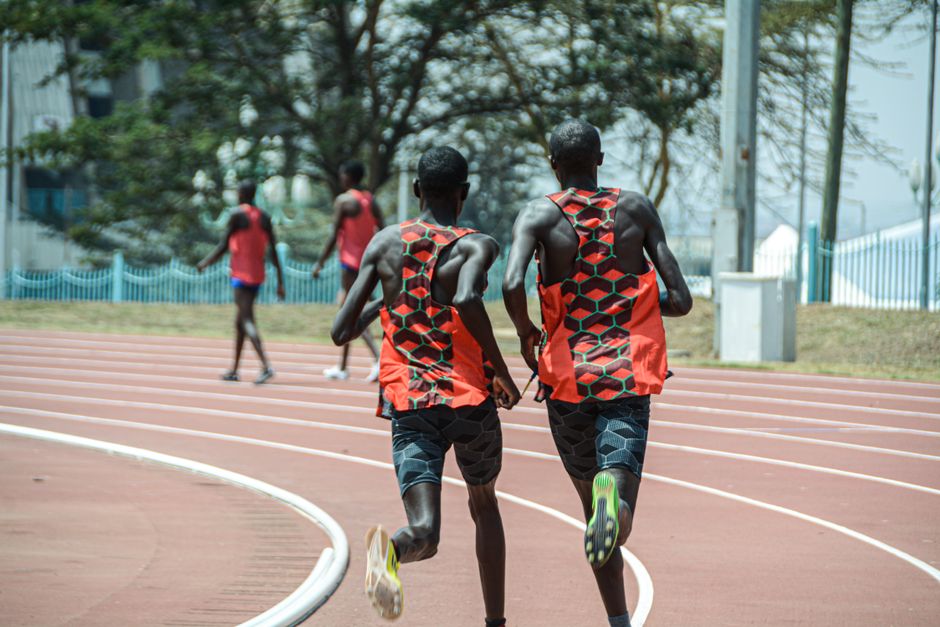
Data from the Nairobi Youth Sports Federation reveals that grassroots club membership has grown by 34% over the past three years, with particularly strong gains in underserved areas. Kilimani's Huruma Youth Centre reported a doubling of its under-16 football programme, now accommodating 180 participants across five age groups. Similarly, Westlands' Karen Community Sports Hub has seen basketball enrolment jump from 45 to 127 juniors since 2024.
What's driving this shift? Conversations with club administrators at venues like the Parklands Athletic Ground and Ngara Sports Complex suggest a generational reordering of priorities. Parents increasingly view structured grassroots sport not as luxury but necessity—a response to screen addiction, rising childhood obesity rates, and genuine concerns about youth idleness in an uncertain economic climate.
The financial commitment speaks volumes. Monthly membership fees typically range from 1,500 to 3,500 shillings across mid-tier clubs, placing them within reach of Nairobi's growing middle class yet still requiring deliberate family budgeting. That families are making this choice—sometimes across multiple children—indicates deeply held convictions about sport's developmental value.
But the numbers also expose uncomfortable gaps. While affluent zones like Muthaiga and Runda maintain well-funded private academies, participation in Mathare and Kibera remains marginalised. A University of Nairobi survey of 2,024 households found that 62% of youth in high-income estates participate in structured sport, compared to just 18% in informal settlements. This disparity threatens to entrench existing inequalities.
Local organisations are attempting to narrow this gap. The Mathare Youth Sports Initiative, operating from a converted warehouse on Jogoo Road, has enrolled 340 children in football and athletics programmes at subsidised rates. Yet their waiting list exceeds 400—a stark reminder of unmet demand.
What the participation surge ultimately reflects is Nairobi's maturation as a city. We're seeing the emergence of a genuine grassroots sports culture—imperfect, uneven, but undeniably real. The challenge ahead is ensuring this growth benefits all of Nairobi's youth, not merely those whose postcodes already favour them. The data shows us the appetite exists. Now comes the harder work of equitable access.
This article was compiled by AI from the sources linked above and screened before publishing. See our editorial standards.