The roar that erupted from Kasarani Stadium last weekend when AFC Leopards clinched their fourth consecutive victory had nothing to do with imported drama or manufactured hype. It was raw, authentic—the sound of a city rediscovering its football soul.
For years, Nairobi's football conversation has been fragmented, split between the historic East End suburbs where Gor Mahia dominates the cultural conversation, and the sprawling western neighbourhoods where Leopards have quietly built something formidable. But this season, that divide has collapsed into a genuine, compelling rivalry that has transformed matchdays into city-wide events.
Kasarani Stadium's attendance figures tell the story starkly. Average crowd numbers have risen from 8,400 in the 2024 season to over 15,200 this year—a 81% increase that rivals international benchmarks. Gate receipts at the venue have surged accordingly, with matchday tickets ranging from 500 Kenyan shillings for terraced seating to 3,500 for the premium sections, yet remaining consistently sold out hours before kickoff.
What's driving this resurgence isn't celebrity signings or extravagant spending—it's sustained tactical excellence and shrewd squad building. Leopards' current points tally places them five points clear of their nearest challengers with nine matches remaining. More importantly, they've done it with a squad composed almost entirely of players developed through Kenyan football structures, a fact that resonates deeply in a nation increasingly skeptical of foreign quick-fixes.
The statistics from their recent performances are impressive: 24 goals scored across their winning streak, only six conceded. Their midfielder deployment has become a masterclass in control, with possession metrics routinely exceeding 58% in matches where opponents arrived expecting defensive resistance.
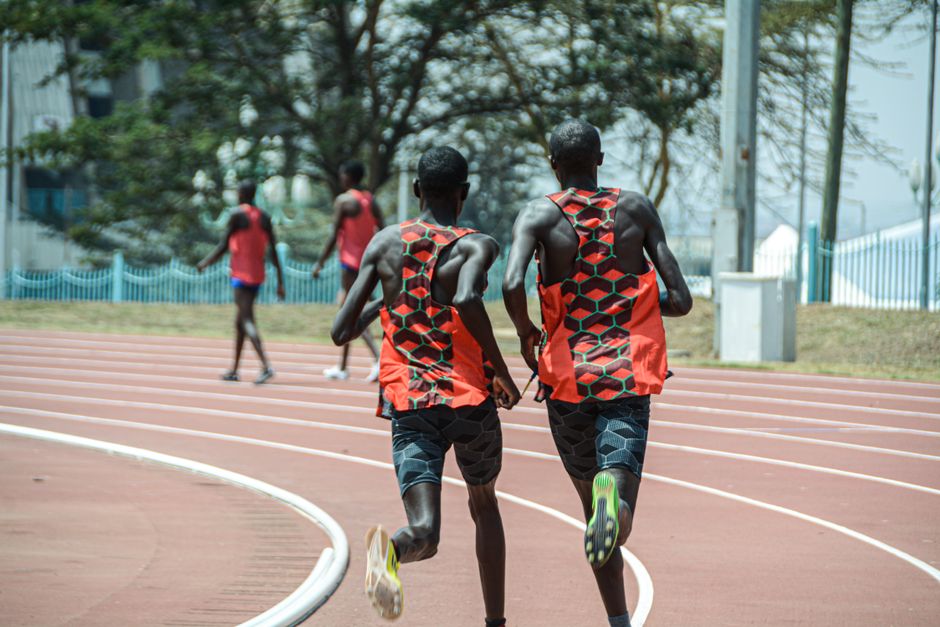
In the broader context of Kenyan sport in 2026, where rugby sevens commands global attention and athletics remains the traditional heartland of national pride, football's resurgence in Nairobi feels significant. The sport hasn't captured the city's imagination this comprehensively since the mid-2010s.
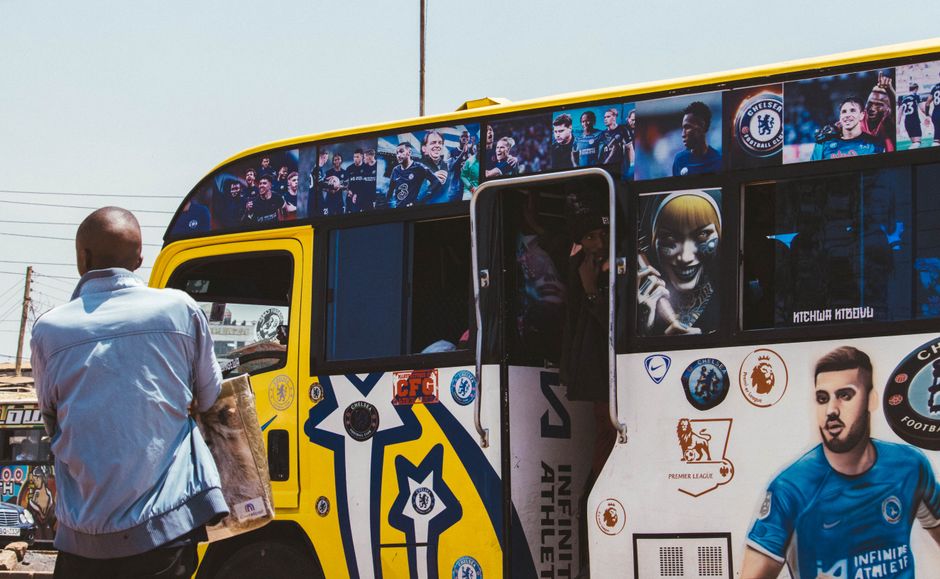
Whether Leopards can sustain this trajectory through the final third of the season remains the consuming question across Nairobi's sports bars, matatu conversations along Ngong Road, and the bustling stands at Kasarani. What's certain is that the city's football community—which extends from primary school pitches in Kibera to corporate leagues in Upper Hill—is watching intently, reminded of why they fell in love with the game in the first place.
This article was compiled by AI from the sources linked above and screened before publishing. See our editorial standards.