On a Saturday morning in Karen, the sound of a whistle echoes across a modest pitch behind Nairobi Racecourse as members of the Karen United Football Club gather for their weekly training session. Nearby, in the cramped grounds of a primary school in Mathare, a netball team practices with hand-sewn bibs marking their colours. These scenes, replicated across dozens of neighbourhoods from Kilimani to Eastleigh, tell a story that rarely makes the sports pages: how amateur clubs have become the backbone of community resilience in the capital.
The revival of recreational sport leagues in Nairobi has been nothing short of remarkable. According to data from the Nairobi Sports Association, membership in amateur clubs has grown by approximately 34 per cent since 2023, with over 280 registered clubs now operating across the city's various divisions. These organisations are not merely providing entertainment—they are catalysing social cohesion in ways professional franchises simply cannot.
Consider the story of Parklands Athletic Club, which since reactivating in 2024 has enrolled more than 450 members ranging from under-16 athletes to veterans in their sixties. Located along Limuru Road, the club charges modest membership fees—typically between Sh800 and Sh1,500 monthly—making participation accessible to middle and working-class families. "We've become a gathering point," explains a club coordinator. "Parents come for athletics, but they stay for the friendships and mentorship networks."
Similar patterns emerge across South B, where the Southside Netball League operates from three neighbourhood courts, engaging approximately 180 women and girls monthly. The league has reportedly reduced youth engagement in street activities whilst simultaneously creating informal employment as coaches and officials earn modest stipends. Monthly tournaments attract crowds of 200-plus spectators, generating revenue that funds equipment and pitch maintenance.
Football remains dominant, with neighbourhood-based clubs like Embakasi Youth FC, Gigiri Sporting Club and Lavington Rangers each maintaining rosters of 40-plus active players. These clubs typically compete in tiered amateur leagues, with winners advancing to higher divisions. Registration costs range from Sh5,000 to Sh15,000 per season, with sponsorship from local businesses increasingly filling funding gaps.
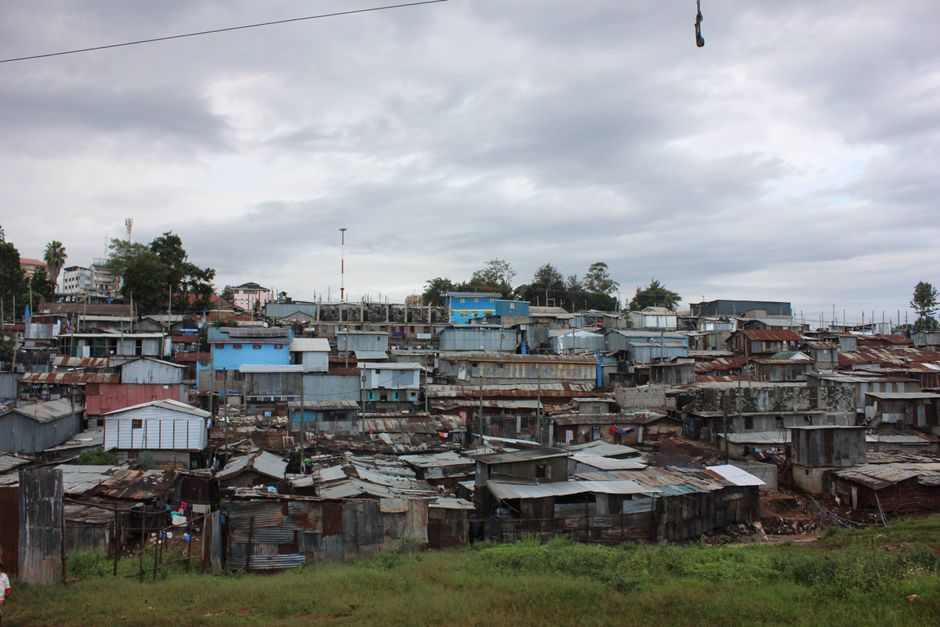
The municipal government has acknowledged this momentum. The Nairobi City County Sports Department recently allocated additional maintenance funds for community pitches in Kibera, Kawangware and Korogocho, recognising that grassroots infrastructure directly impacts public health and social stability.
As Kenya's professional sporting culture remains concentrated among elite institutions, these amateur organisations quietly demonstrate that sport's greatest value often lies not in trophies or television coverage, but in the simple act of bringing neighbours together.
This article was compiled by AI from the sources linked above and screened before publishing. See our editorial standards.