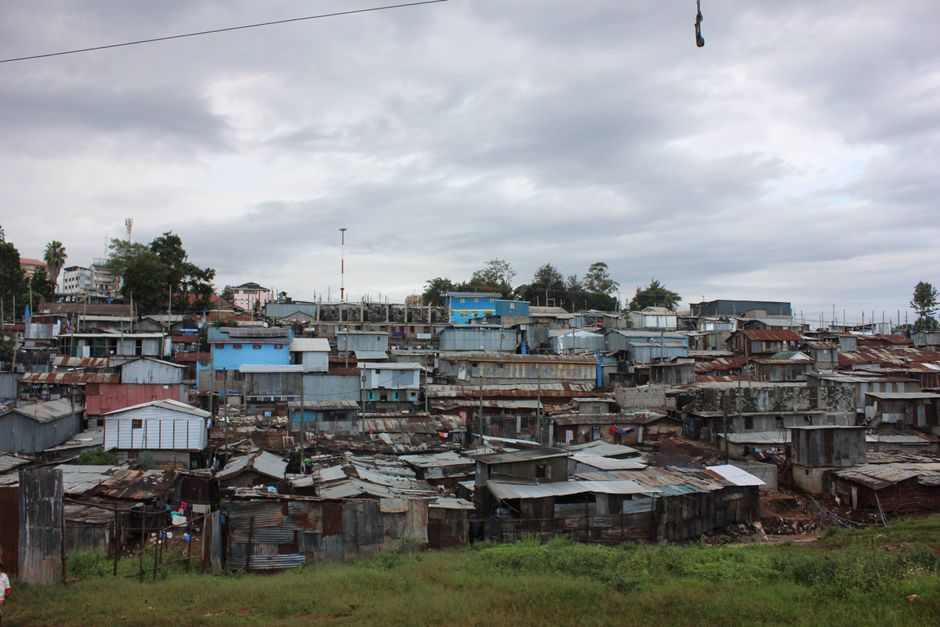
Walk through the red-dust fields of Mathare on a Saturday morning, and you'll find something remarkable: dozens of young footballers in mismatched kits, training under the guidance of volunteers who themselves grew up in these same streets. This is the grassroots story that rarely makes headlines—the unglamorous, persistent work of community sport clubs transforming lives without corporate sponsorship or government funding.
Across Nairobi's working-class neighbourhoods—from Kibera to Korogocho, Eastleigh to Kayole—grassroots football clubs have become informal youth development centres. These organisations, typically operating with annual budgets under 500,000 shillings, serve as anchors for thousands of young people who might otherwise lack structured physical activity or mentorship. According to data from the Nairobi Youth Development Network, approximately 340 registered grassroots sports clubs operate across the city, with football dominating, but increasingly netball, volleyball, and athletics gaining traction.
The mechanics of survival are simple but gruelling. Most clubs charge members 200-500 shillings monthly—fees kept deliberately low to ensure accessibility. Coaches volunteer their time, often working day jobs before evening training sessions. Kit comes second-hand or donated. Yet within these constraints, something genuine emerges: young athletes develop discipline, belonging, and sometimes, pathways beyond their immediate circumstances.
What distinguishes successful grassroots clubs is local ownership. The Kasarani Community Sports Initiative, for instance, operates three pitches across the eastern residential area, with management drawn entirely from residents aged 25-40 who understand their neighbourhood's specific challenges. They've learned that sustainable development requires embedding sport within community fabric—linking youth clubs to secondary school pipelines, partnering with local health clinics on nutrition programs, and creating women's sections that challenge traditional participation barriers.
The impact statistics are modest but meaningful: clubs report 60-70 percent retention rates among registered members over two seasons, with several alumni now playing in Kenya Premier League lower divisions or pursuing sports scholarships at university. More importantly, community leaders cite reduced youth idleness and crime referrals in areas with active sporting infrastructure.
Yet challenges persist. Pitch access remains precarious—many clubs lease informal land vulnerable to sudden displacement. Equipment deteriorates without replacement capital. Coaching certification remains inaccessible for most volunteers. And there's a persistent disconnect: while international development agencies fund national federation programs, grassroots clubs—the actual incubators of talent—remain chronically under-resourced.
The grassroots movement's quiet power lies in this: it requires no permission to exist, generates community investment spontaneously, and produces athletes who understand that sport is privilege earned through collective effort, not individual entitlement.
This article was compiled by AI from the sources linked above and screened before publishing. See our editorial standards.