The 2026 season of the Nairobi Amateur Football League (NAFL) reaches its crescendo this weekend, with the championship finals set to unfold at the Nyayo Stadium's auxiliary pitch—a venue that has become synonymous with competitive grassroots football in the capital. Two powerhouses, Westlands United and Mathare Valley FC, will battle for the trophy and a prize purse of 150,000 shillings on Saturday evening, capping off a season that has drawn unprecedented participation from across the city's neighbourhoods.
This year's league featured 24 participating clubs, a 33 percent increase from 2025, with teams representing everything from corporate recreational groups to neighbourhood associations. The expansion reflects growing enthusiasm for organised amateur sport among Nairobi's working-class and middle-class communities, many of whom see the league as an affordable alternative to paid professional fixtures. Entry fees remained modest at 8,000 shillings per team per season, making participation accessible across income brackets.
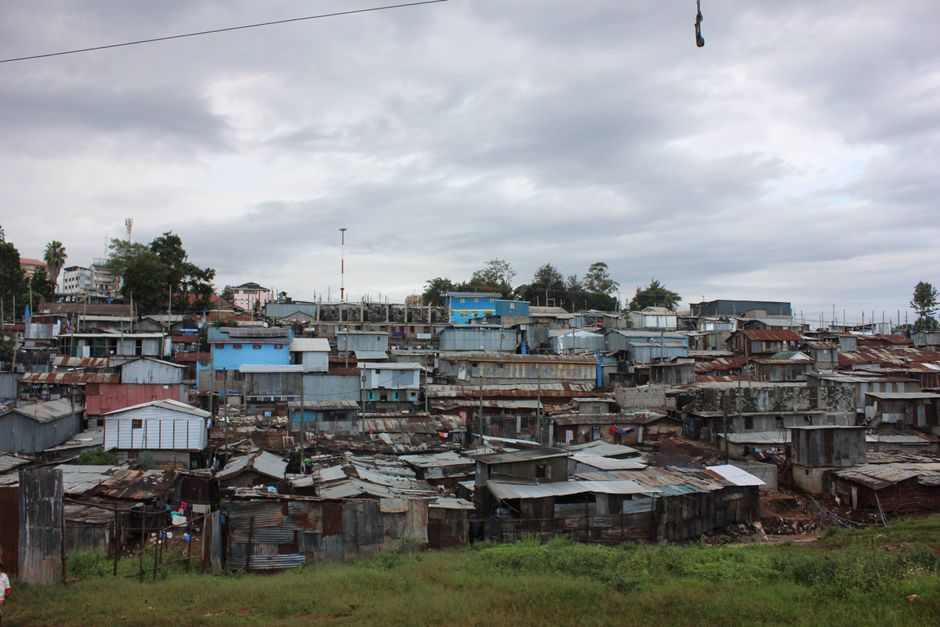
Westlands United, based in the affluent Westlands neighbourhood, has dominated the regular season with 18 wins from 22 matches, powered by a relentless attacking unit. Their counterparts, Mathare Valley FC—drawing players from the sprawling Mathare informal settlements and surrounding areas—have scraped into the finals as runners-up with 16 wins, though their defensive discipline and grit have earned them admirers across the league. The contrast between the two clubs encapsulates Nairobi's sporting diversity: privilege and resourcefulness competing on equal terms.
Beyond the championship fixture, the finals weekend will showcase the league's secondary competitions. The knockout cup final precedes the main event on Saturday, while Sunday's third-place playoff offers consolation stakes for semifinal losers. According to NAFL organisers, attendance is expected to exceed 3,000 spectators, with ticket prices capped at 200 shillings to ensure affordability for families and supporters from lower-income neighbourhoods.
The league's growth has not escaped the attention of Nairobi's formal sports infrastructure. The City Stadia Board has signalled interest in providing better facilities for future seasons, potentially expanding beyond Nyayo Stadium to include venues in Buruburu and Kasarani. Officials also hinted at sponsorship partnerships with local businesses along Kenyatta Avenue and in the Nairobi CBD, seeking sustainable funding models.
For players and fans alike, this weekend represents more than just trophy contention. It validates amateur sport as a serious pursuit in Nairobi—a city where grassroots football builds community bonds and provides young talent a pathway to visibility. As the finals approach, the city's recreational sporting heartbeat quickens.
This article was compiled by AI from the sources linked above and screened before publishing. See our editorial standards.