From Kibera to Karen: How Grassroots Trainers Built Nairobi's Fitness Revolution
Beyond the gleaming gyms of Westlands, a network of community coaches is transforming fitness culture across the capital's underserved neighbourhoods.
Beyond the gleaming gyms of Westlands, a network of community coaches is transforming fitness culture across the capital's underserved neighbourhoods.
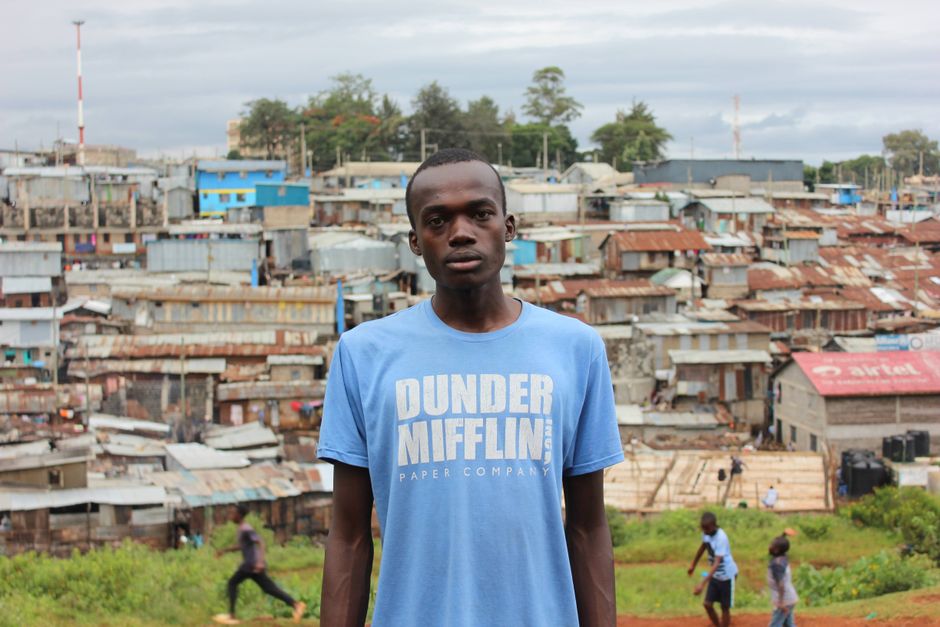
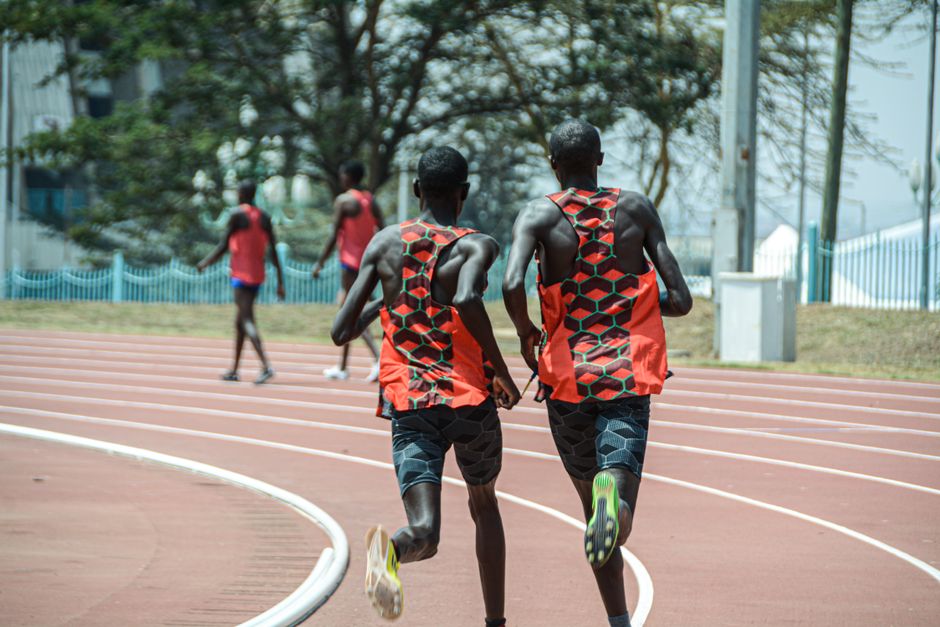
Walk through Kibera on a Saturday morning and you'll find them: clusters of runners pounding the red earth, bodyweight circuits happening on cracked concrete, and improvised CrossFit rigs made from scrap metal. This is not the fitness story of Nairobi that makes international headlines. This is the real one.
The city's premium fitness centres—concentrated around Westlands, Upper Hill, and the Karen suburbs—have long dominated the conversation. But over the past three years, a grassroots movement has quietly reshaped how ordinary Nairobians approach training. Community-led initiatives have emerged in Mathare, Huruma, South B, and Eastleigh, driven by self-taught coaches who grew up in these neighbourhoods and decided their communities deserved access to structured fitness.
"I started training people in my backyard in Korogocho because the nearest gym was eight kilometres away and charged 3,000 shillings monthly," explains one emerging fitness entrepreneur who has since formalized his operation into a registered micro-gym serving over 80 members. His model—combining affordability with accessibility—has become the blueprint for dozens of similar spaces sprouting across lower-income estates.
The numbers tell a compelling story. According to informal surveys conducted by community sports organisations, approximately 40 percent of Nairobi's fitness participants now train outside formal gym facilities, up from barely 15 percent five years ago. Monthly fees at grassroots operations average 800-1,500 shillings, making them accessible to working-class residents who viewed traditional gyms as luxury amenities.
What's driving this momentum isn't merely economics. It's cultural ownership. These neighbourhood coaches aren't importing generic fitness trends; they're adapting training philosophies to local contexts. Running clubs in Rongai leverage the area's natural terrain for hill work. Boxing collectives in Parklands tap into Kenya's deeper sporting heritage. Women-only fitness circles in Dagoretti have created safe spaces addressing specific community concerns.
The movement has caught official attention. City County health initiatives now partner with grassroots trainers for public health campaigns, recognising their credibility within communities. Universities have begun documenting these informal economies, acknowledging that Nairobi's fitness future may be written not in air-conditioned studios but in open spaces where neighbours become coaches and fitness becomes genuinely communal.
For a city grappling with lifestyle diseases, this decentralised approach represents something beyond trendy workout culture—it's democracy in action, proving that transformation doesn't require corporate infrastructure or imported solutions.
This article was compiled by AI from the sources linked above and screened before publishing. See our editorial standards.
How does this story make you feel?
Spread the word
About this article
Published by The Daily Nairobi
Daily brief
Free, in your inbox before 7am. Weekdays.
More in Sport